
The Challenge
|
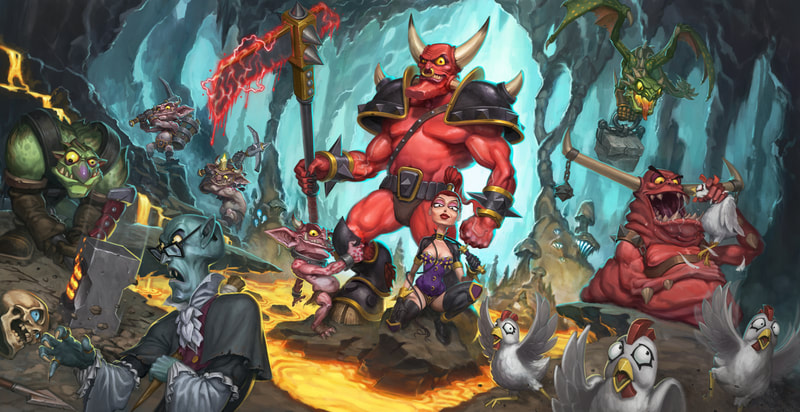
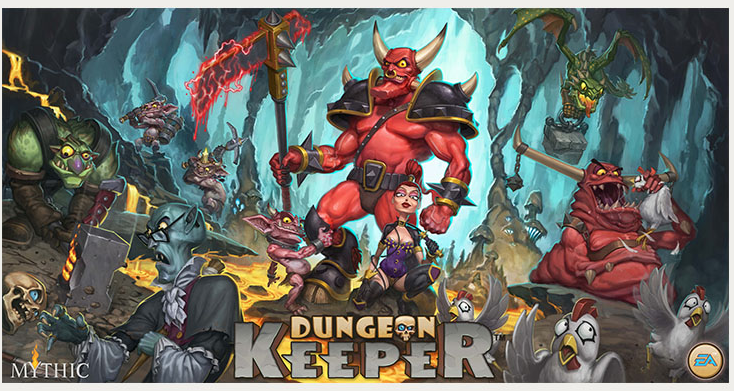
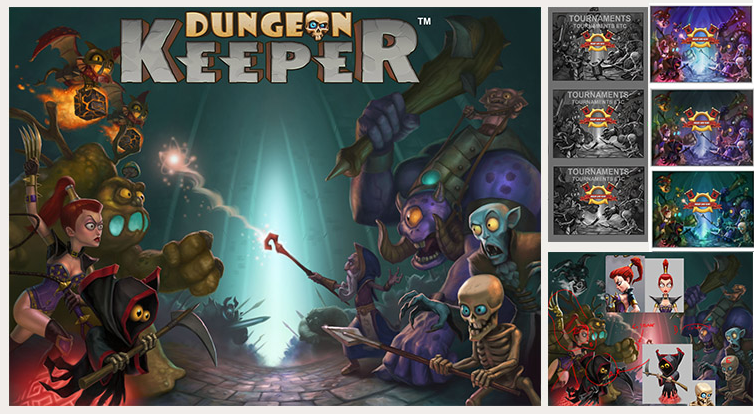
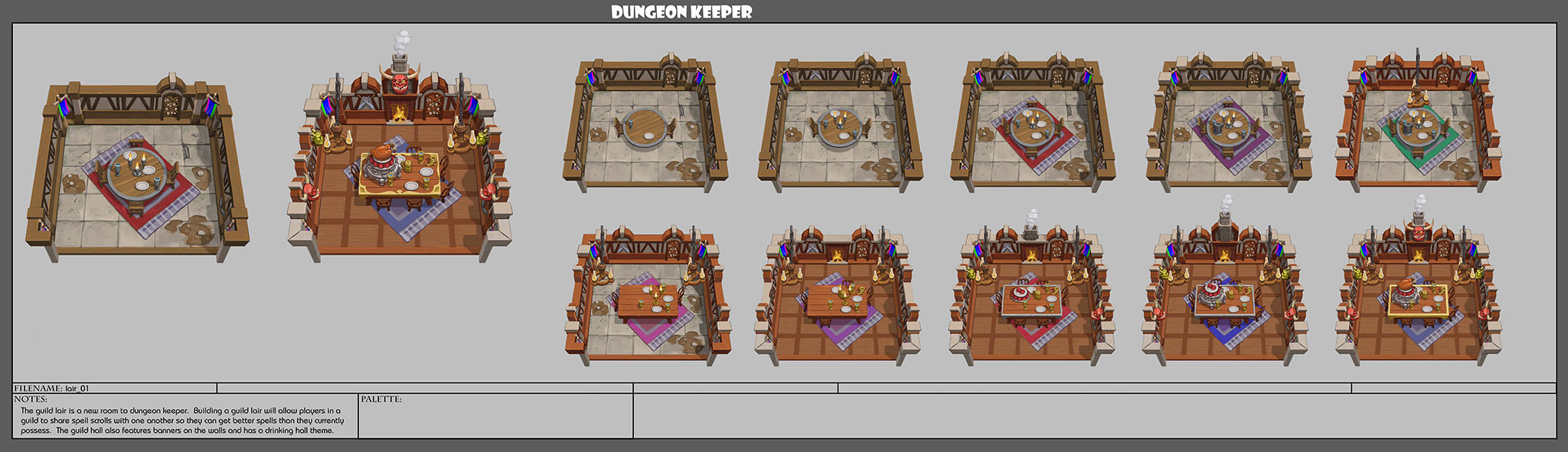
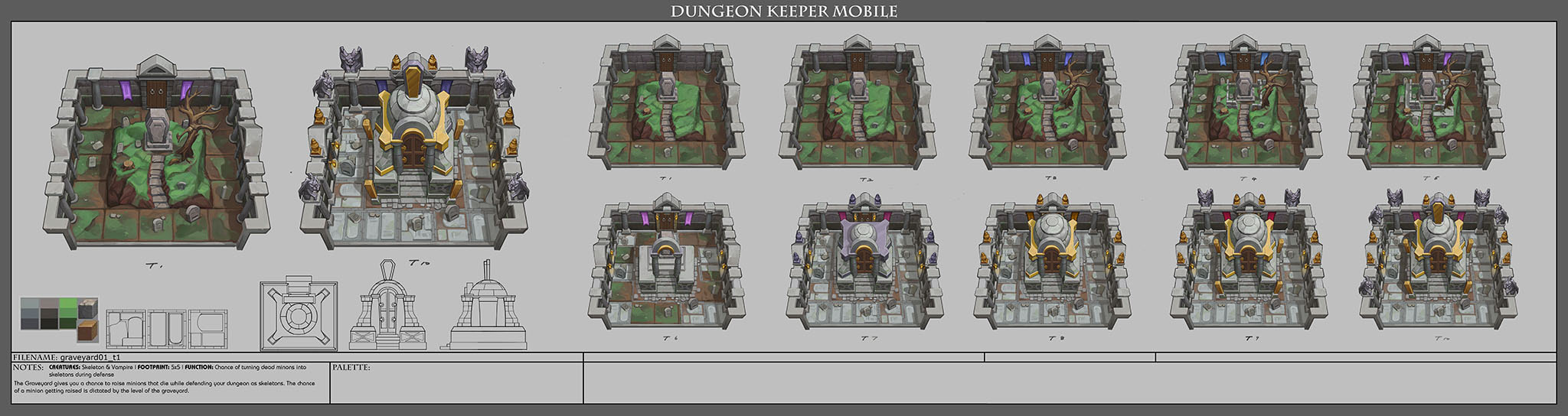
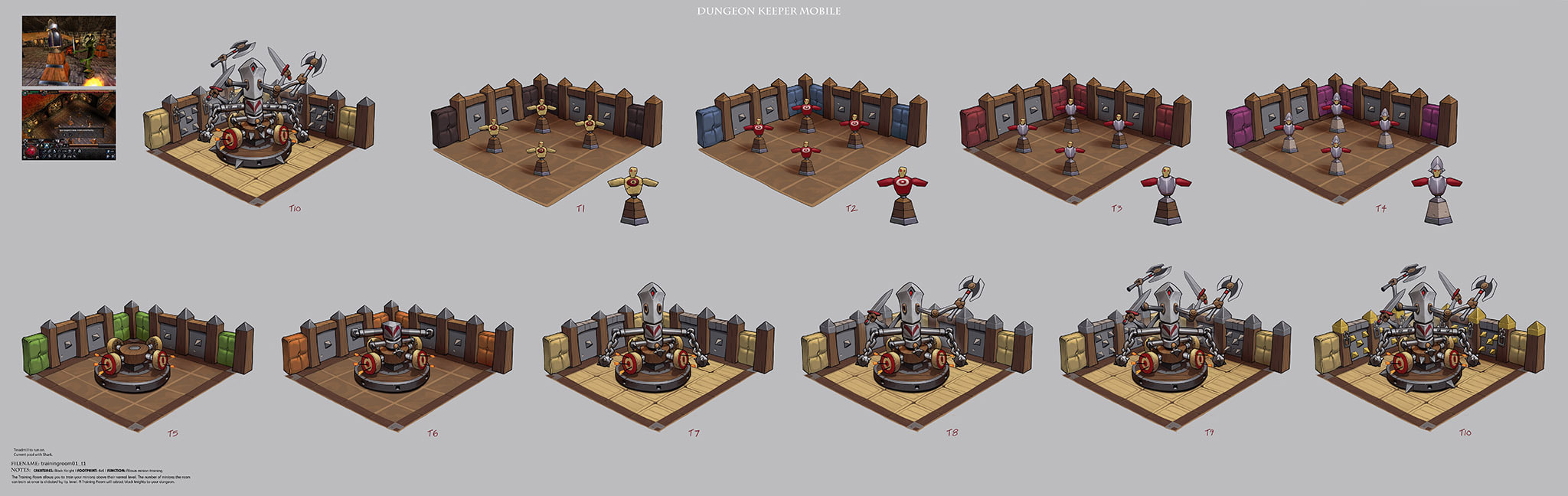
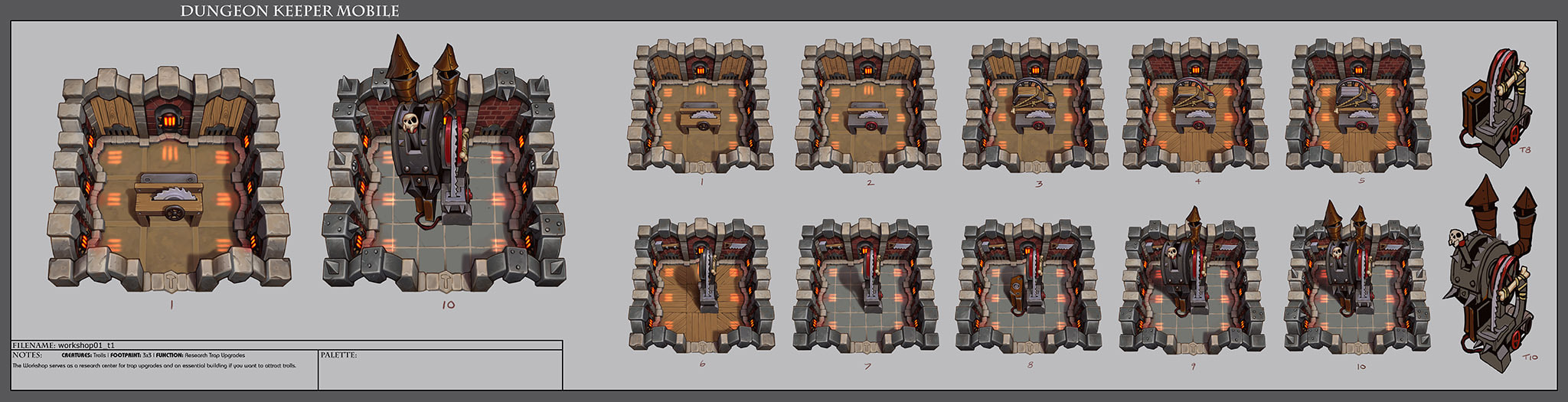
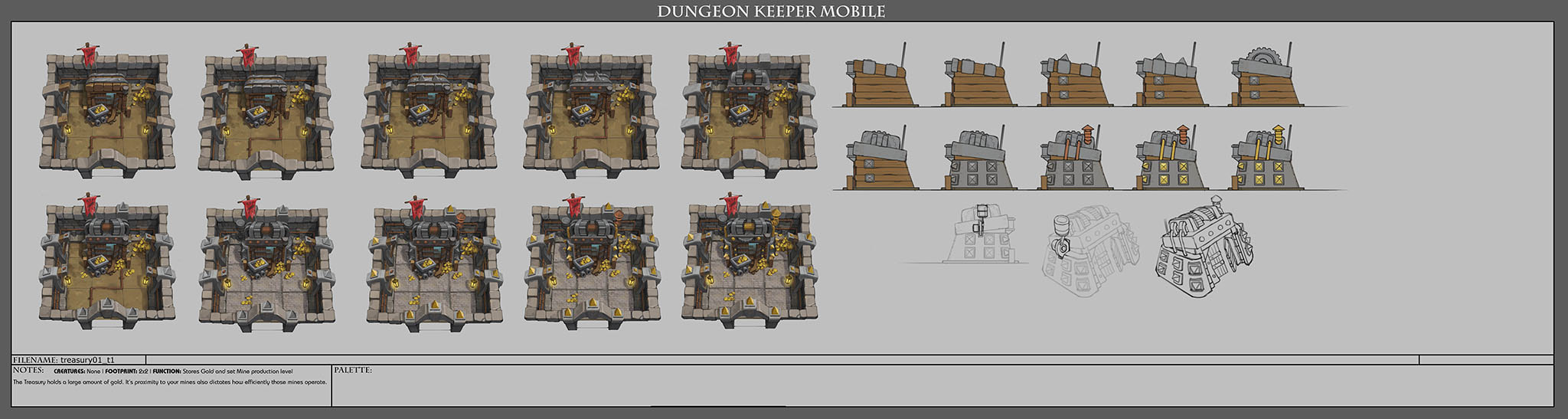
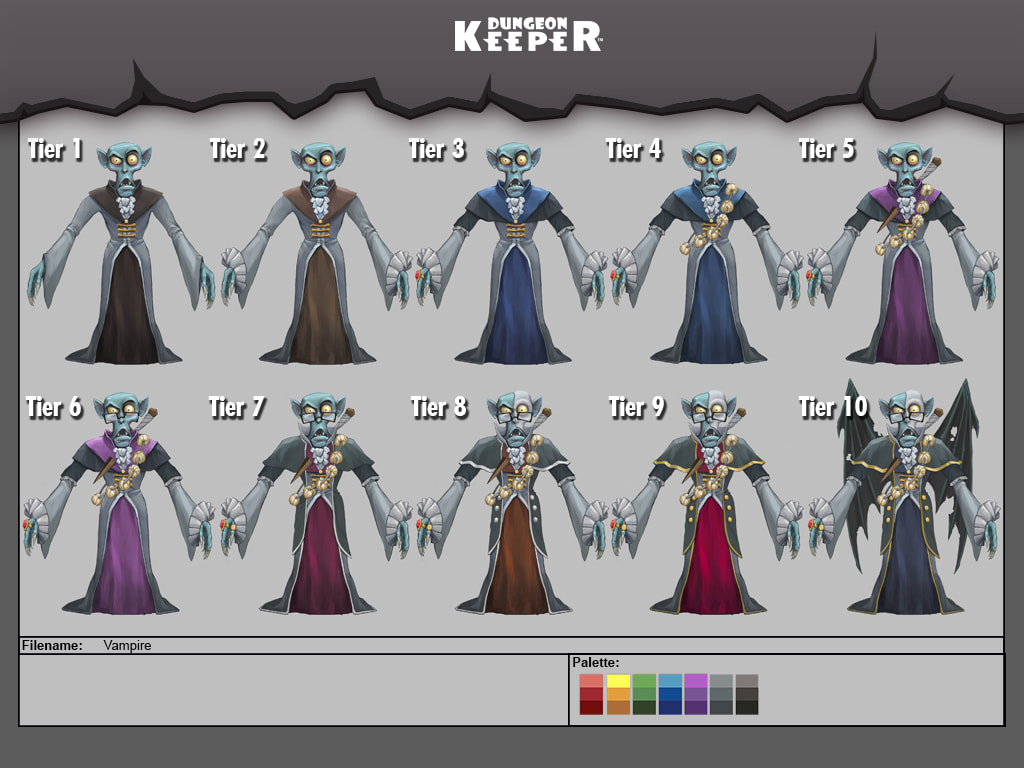
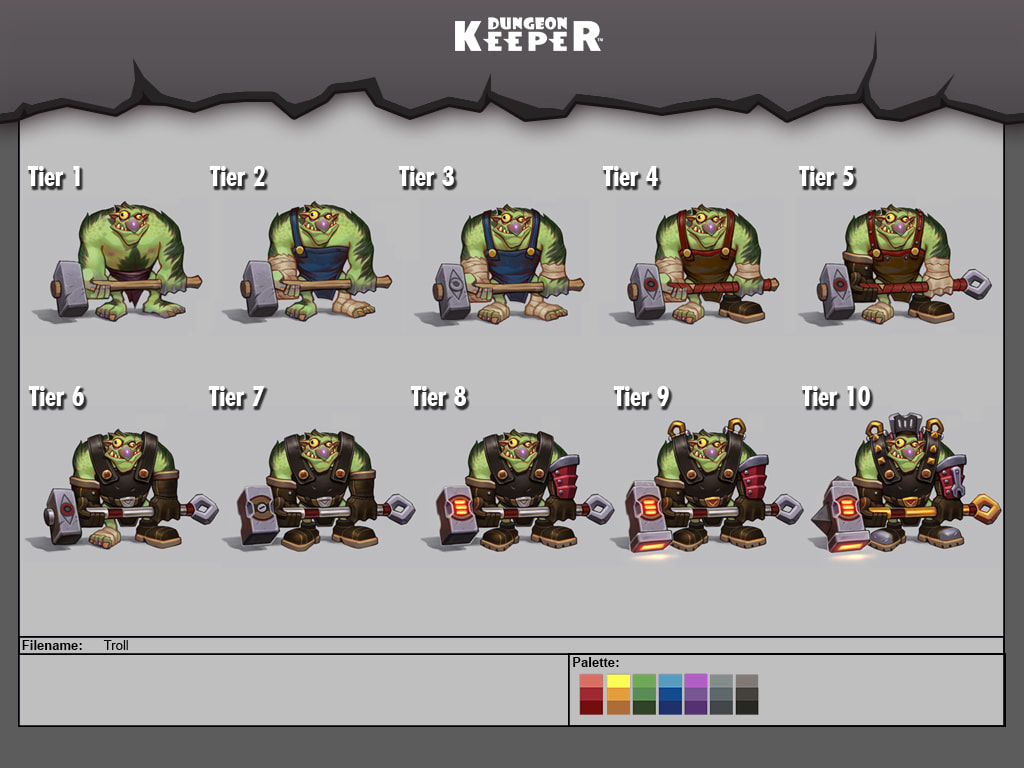
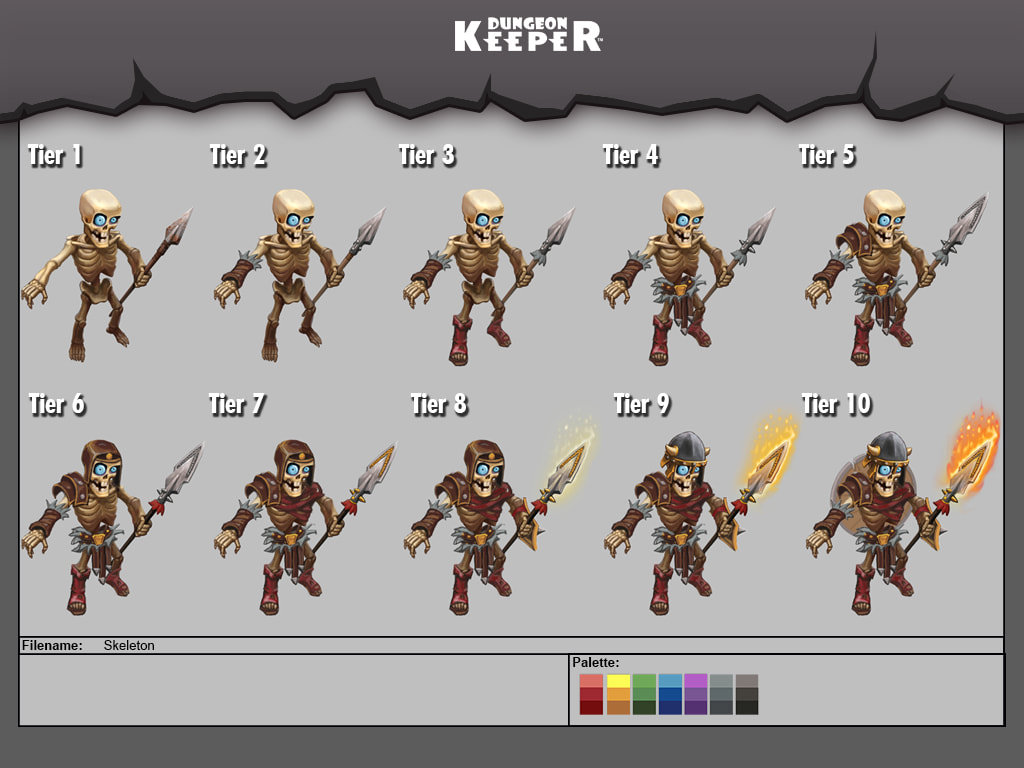
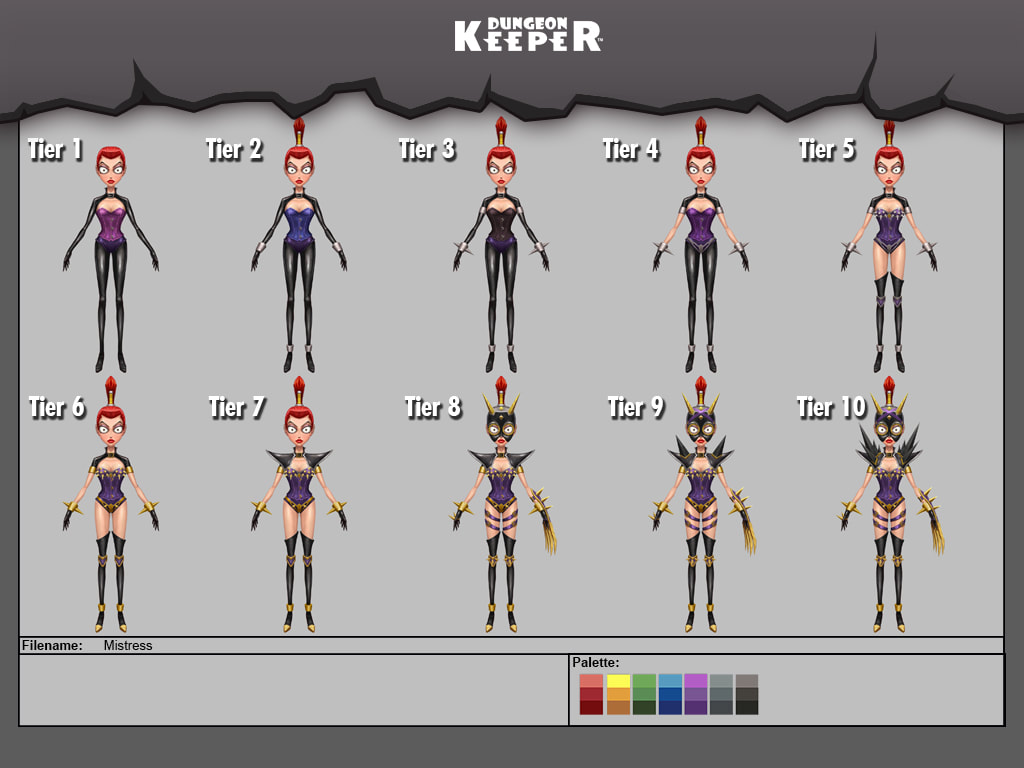
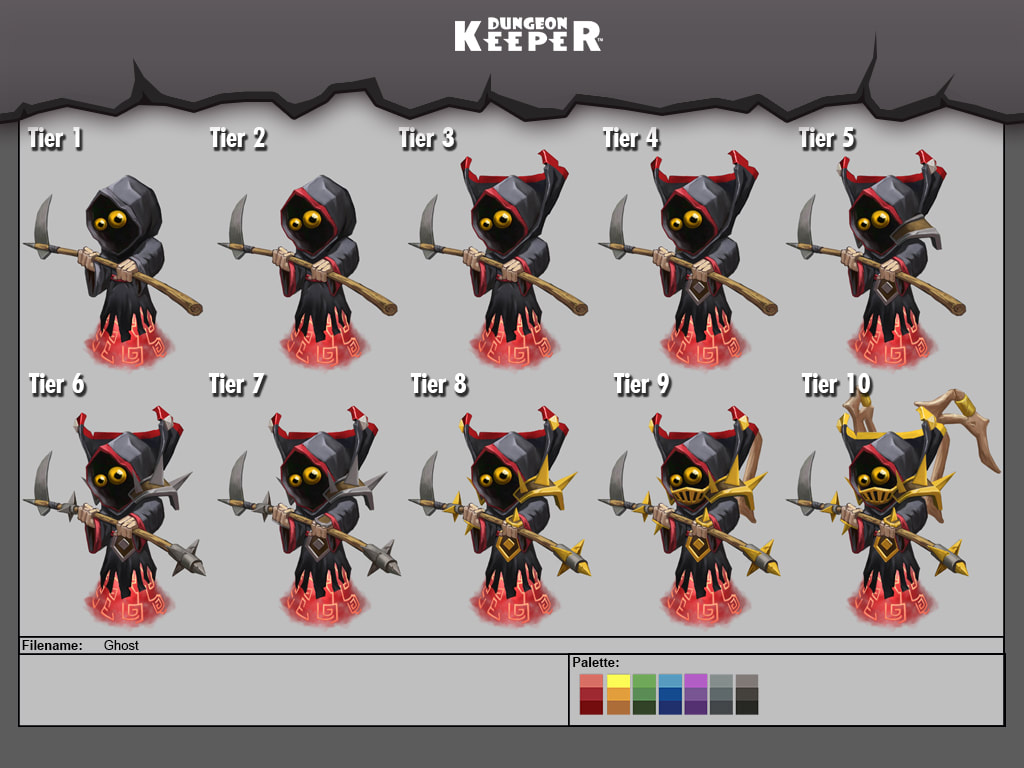
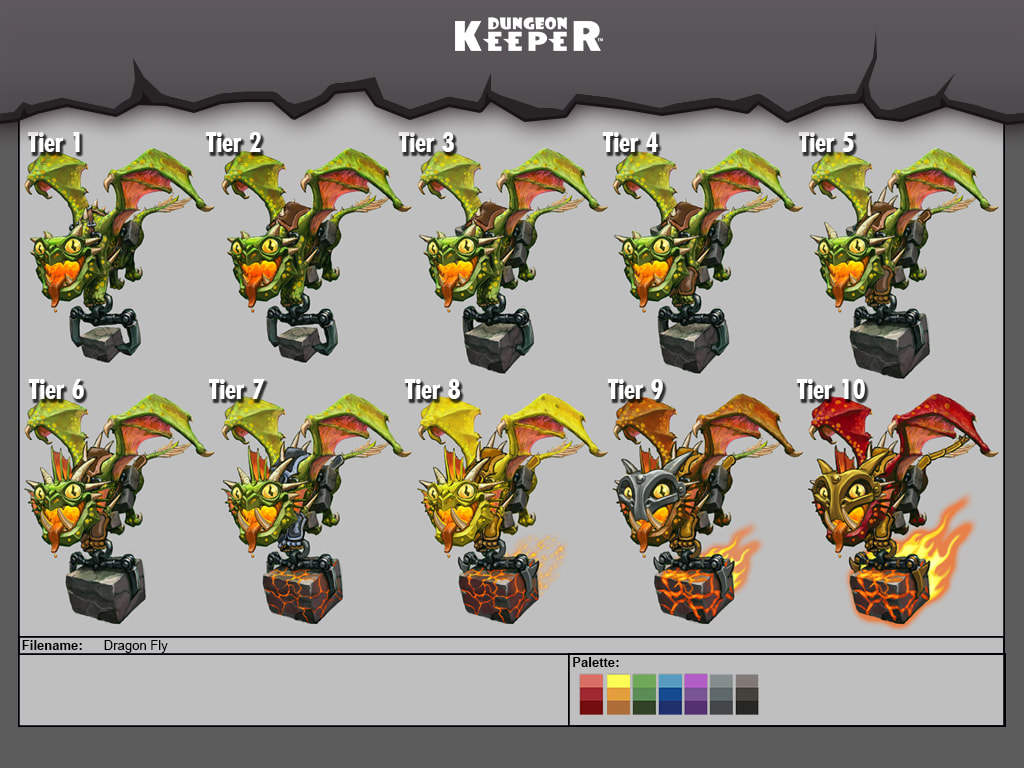
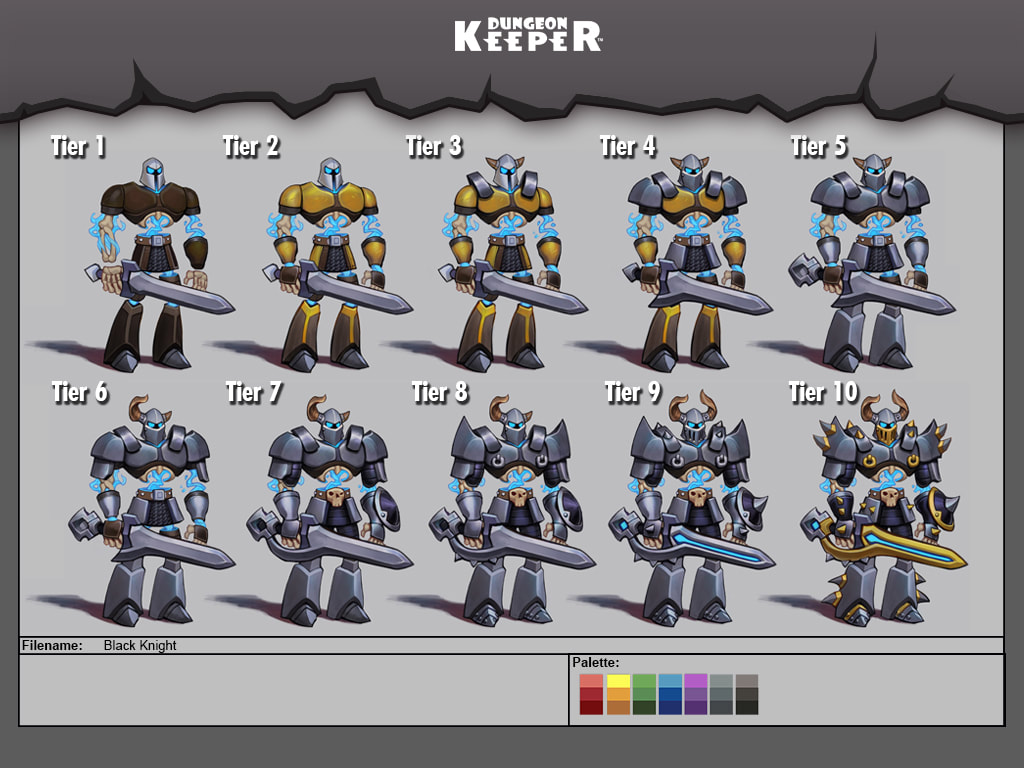
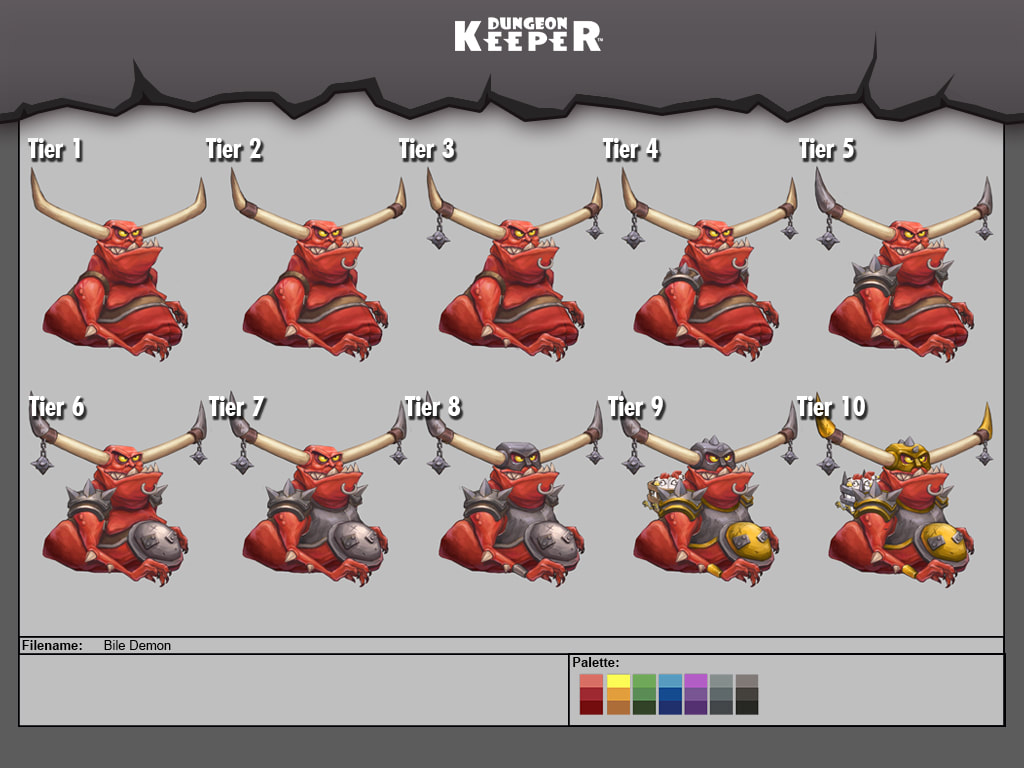
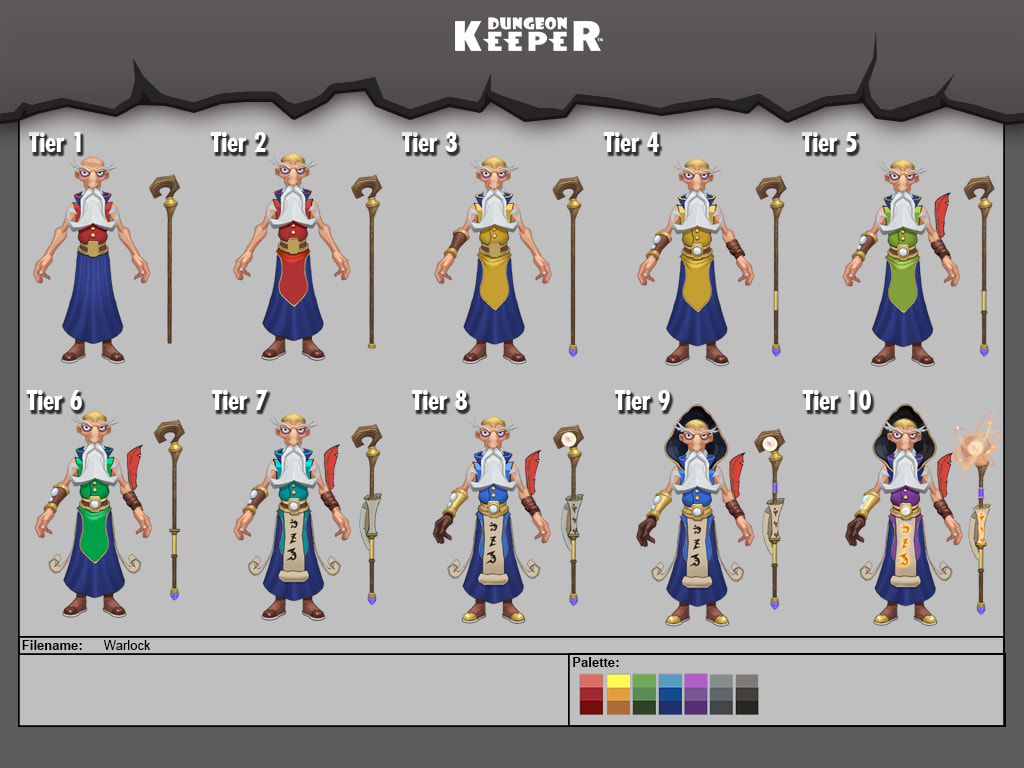
Conceptual DirectionConcept art is the backbone of any game project. For Dungeon Keeper, I had just 1.5 months to get from preproduction to production. In that time, I had to reimagine a well-loved, classic title in an updated, casual-style which would be performant and legible on small mobile screens.
I had to rapidly assemble a global team of concept artists, align around a visual style, then get to work creating the all the concepts needed for production. |
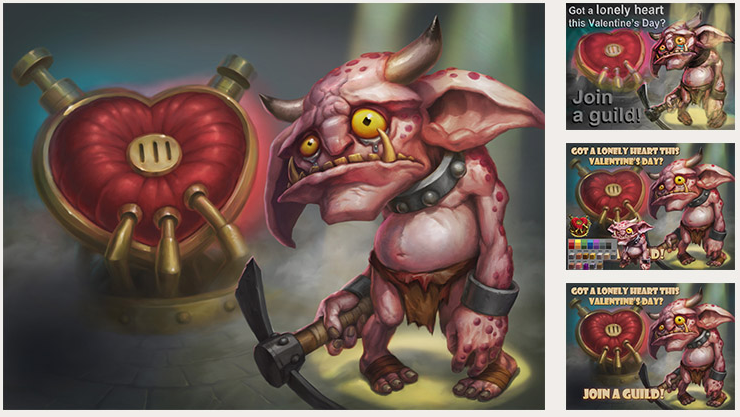
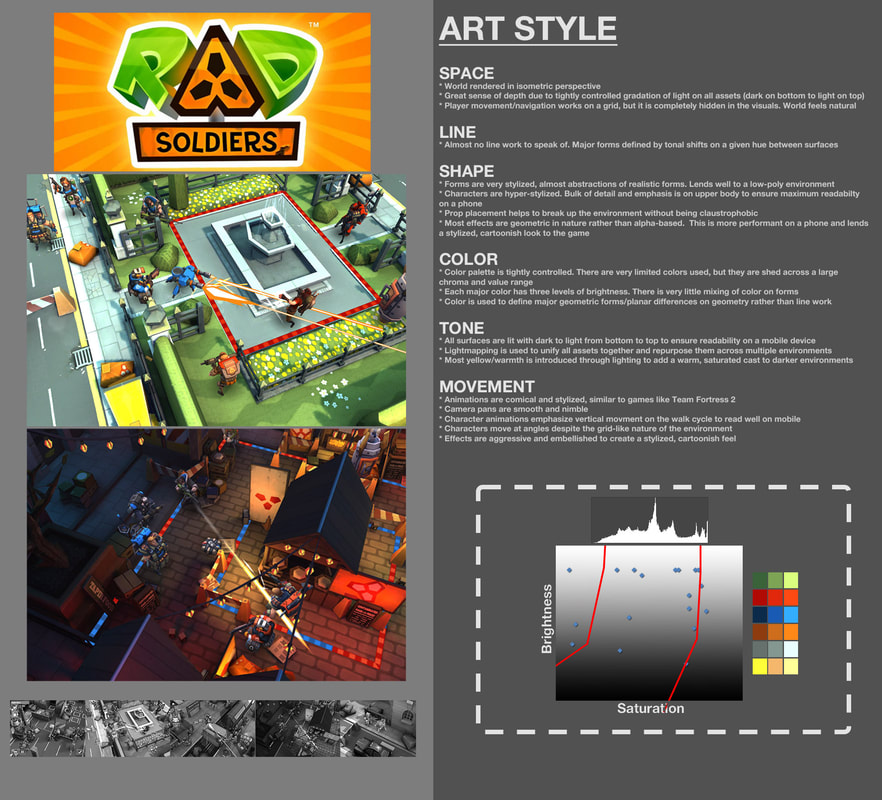
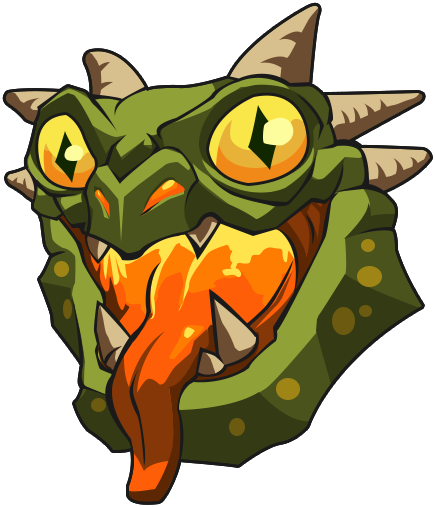
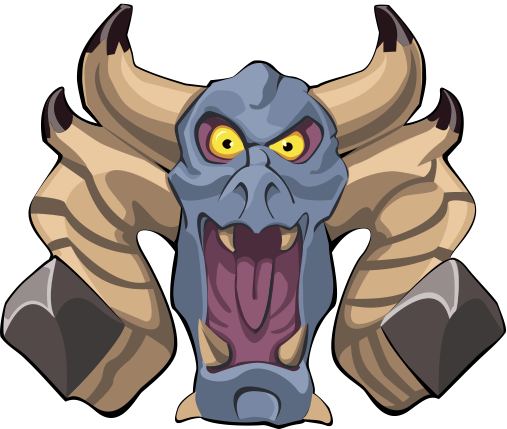
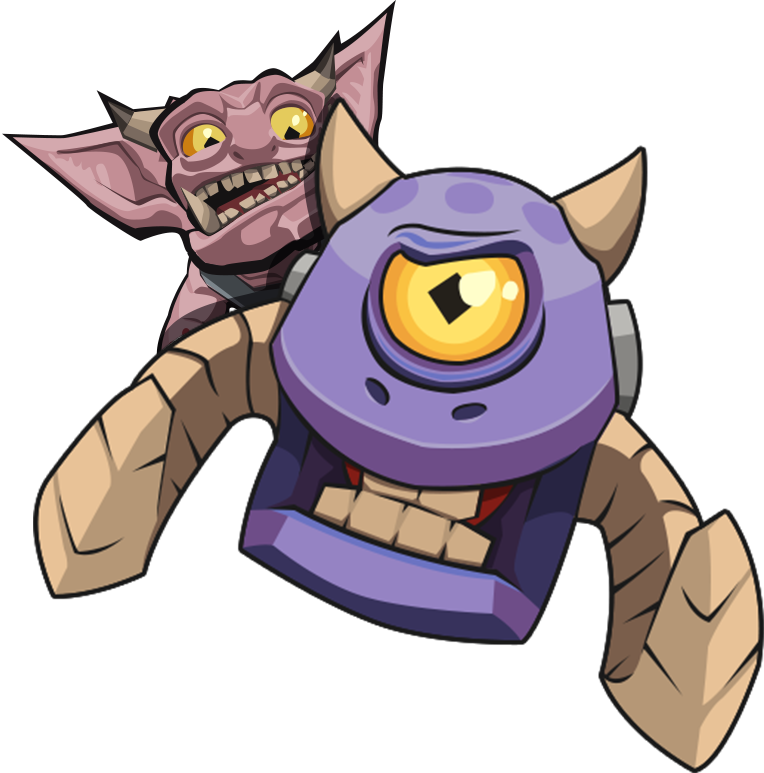
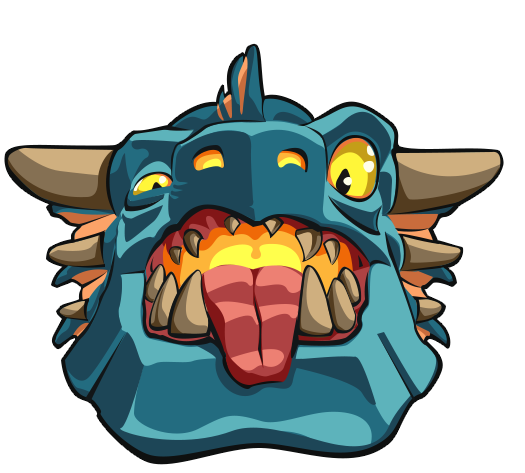
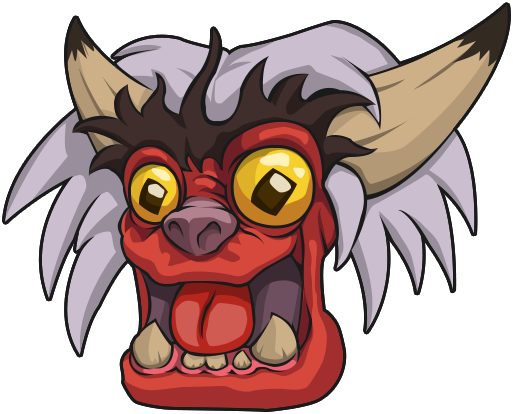
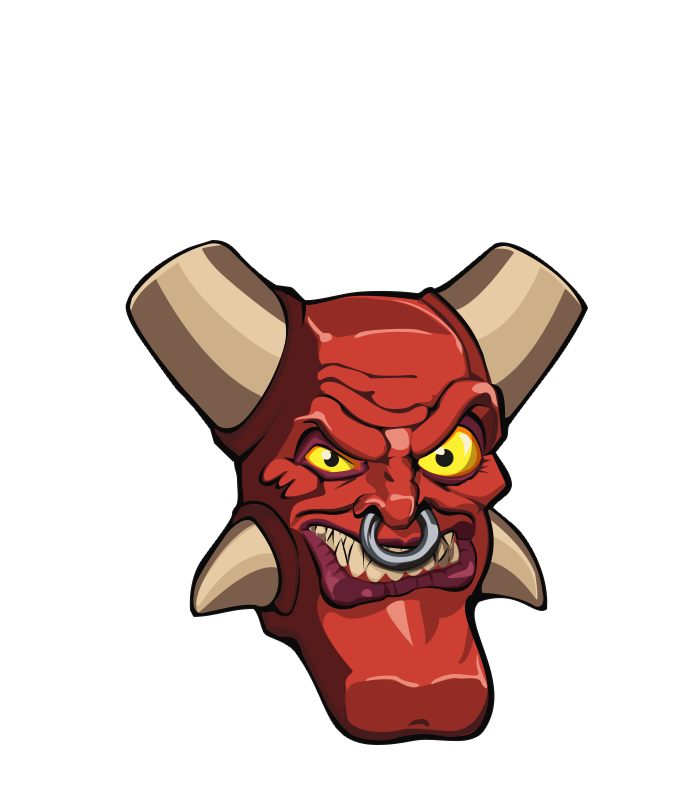
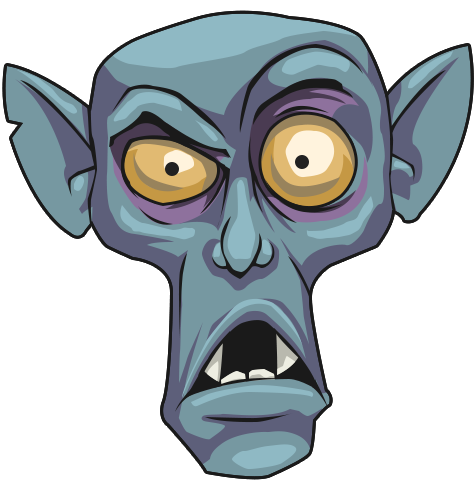
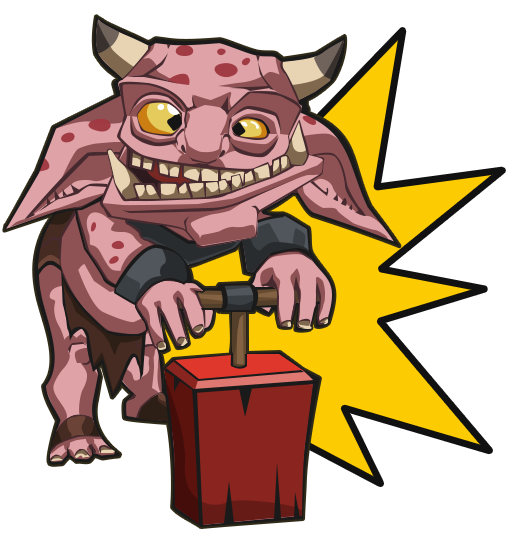
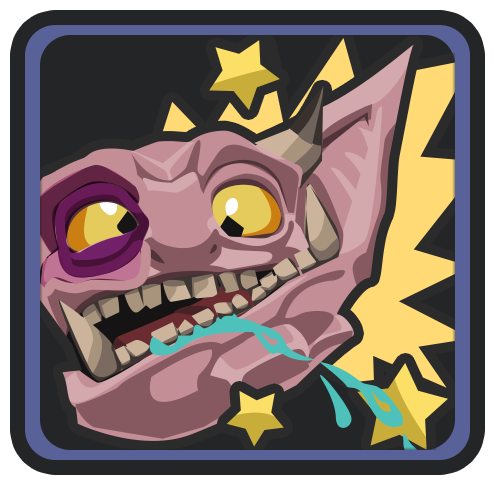
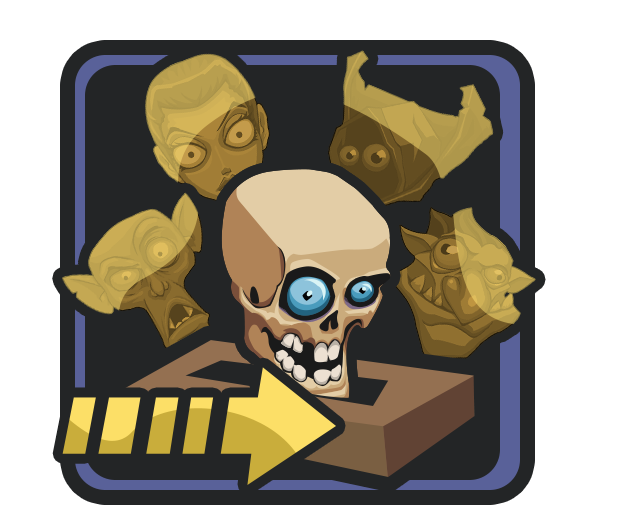
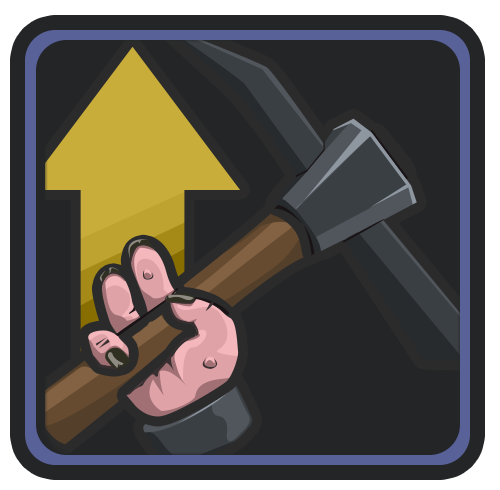
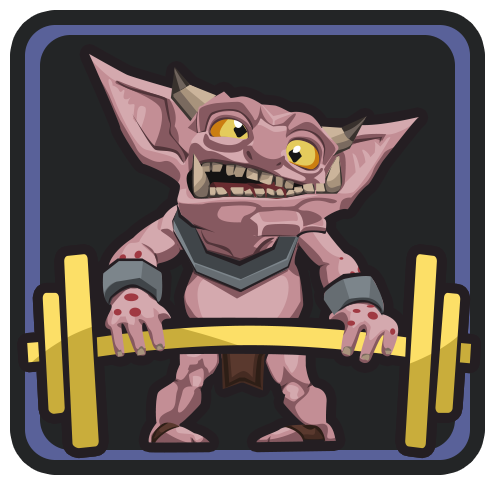
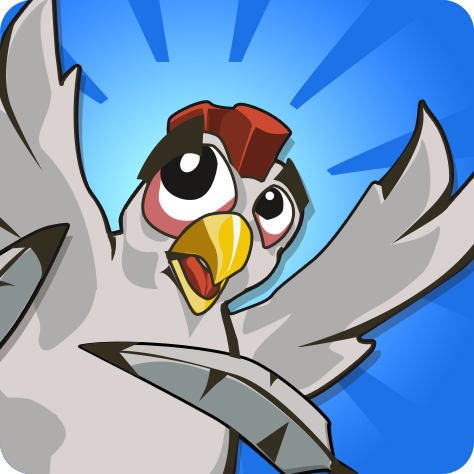
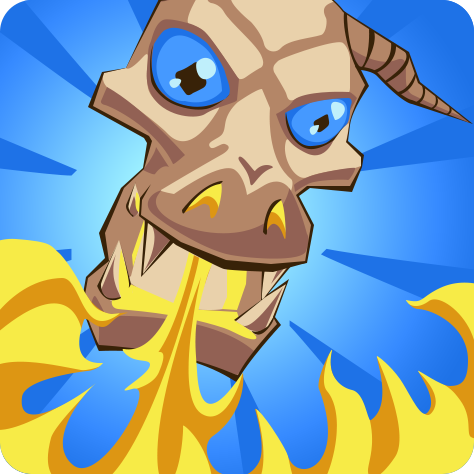
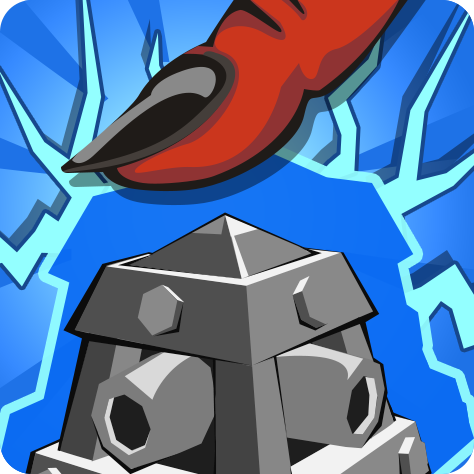
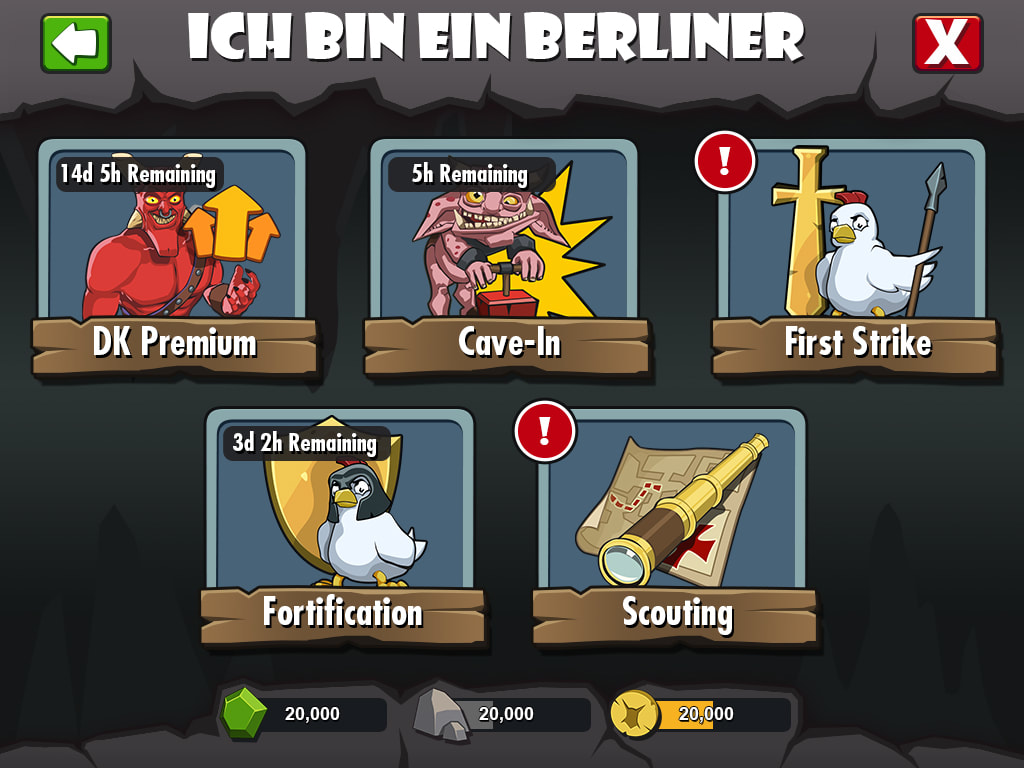
IconsThis is a sampling of some of the vector illustrations I produced for use in Dungeon Keeper's user interface. Some are simple character portraits, while others had to communicate more complicated messaging, such as a named-spell and its resulting action. The colorful and demented playfulness of the art style shines through in every illustration.
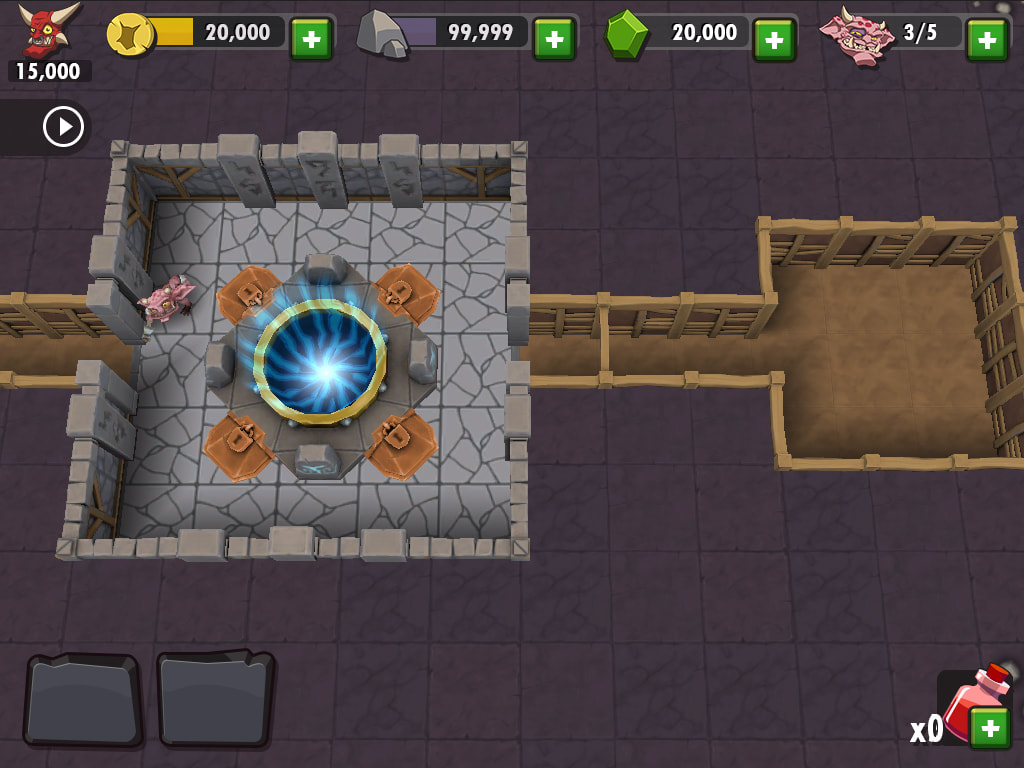
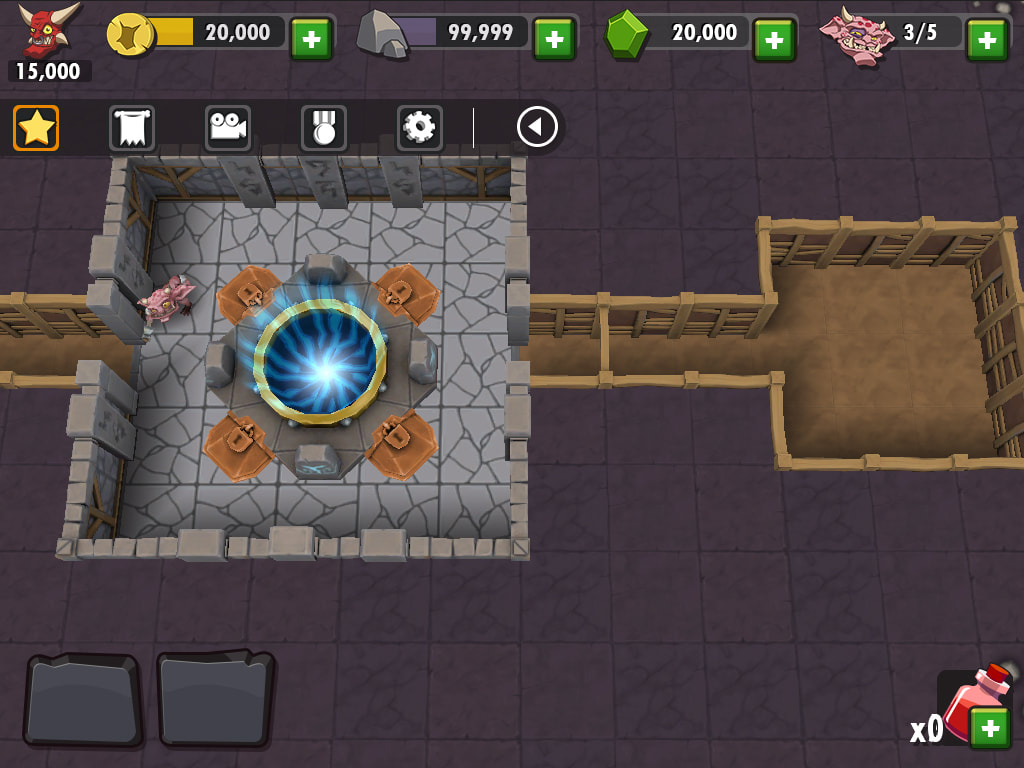
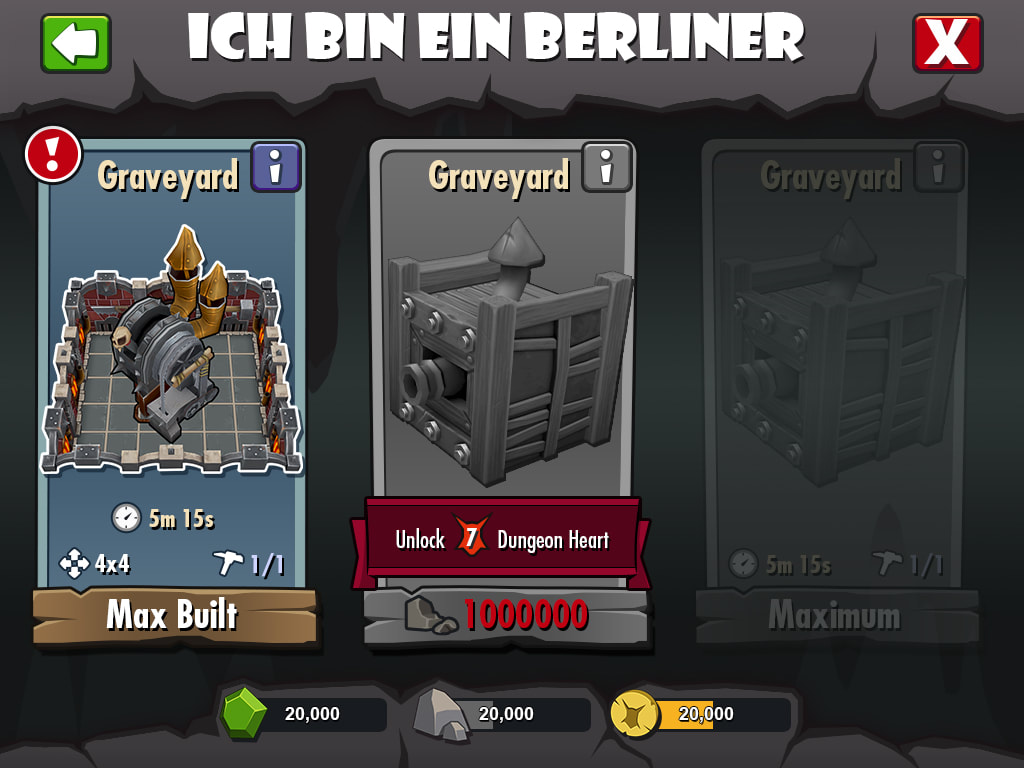
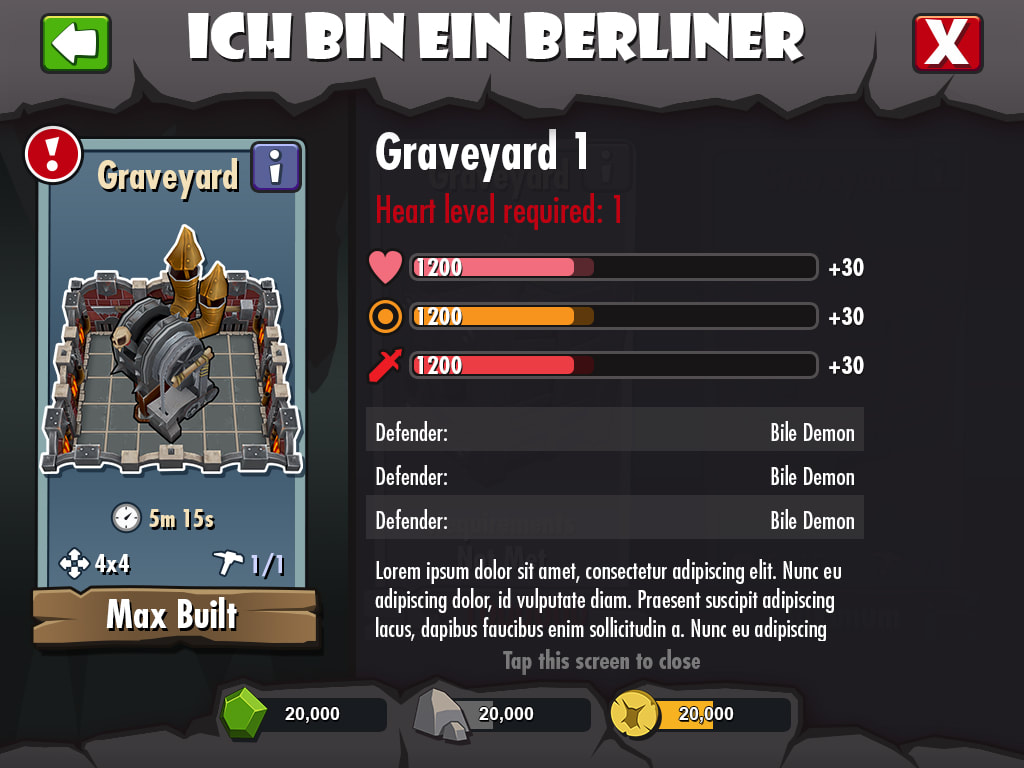
User Interface DesignDungeon Keeper is a mobile title. As such, the user interface is designed to be touch friendly, obvious, and attractive.
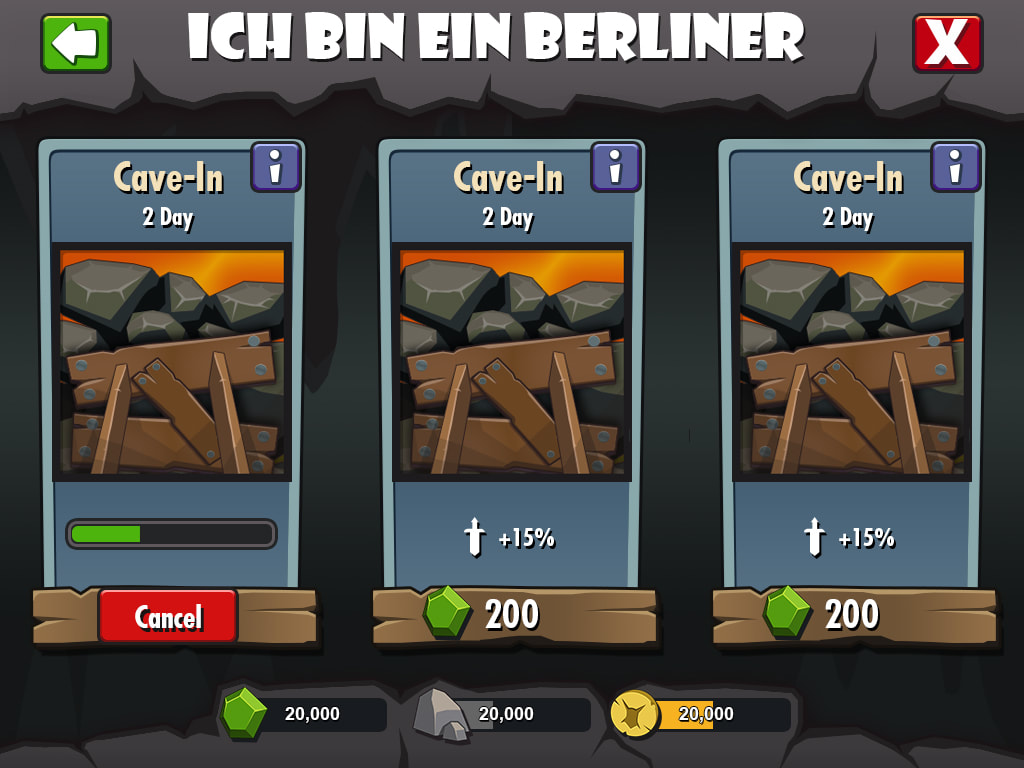
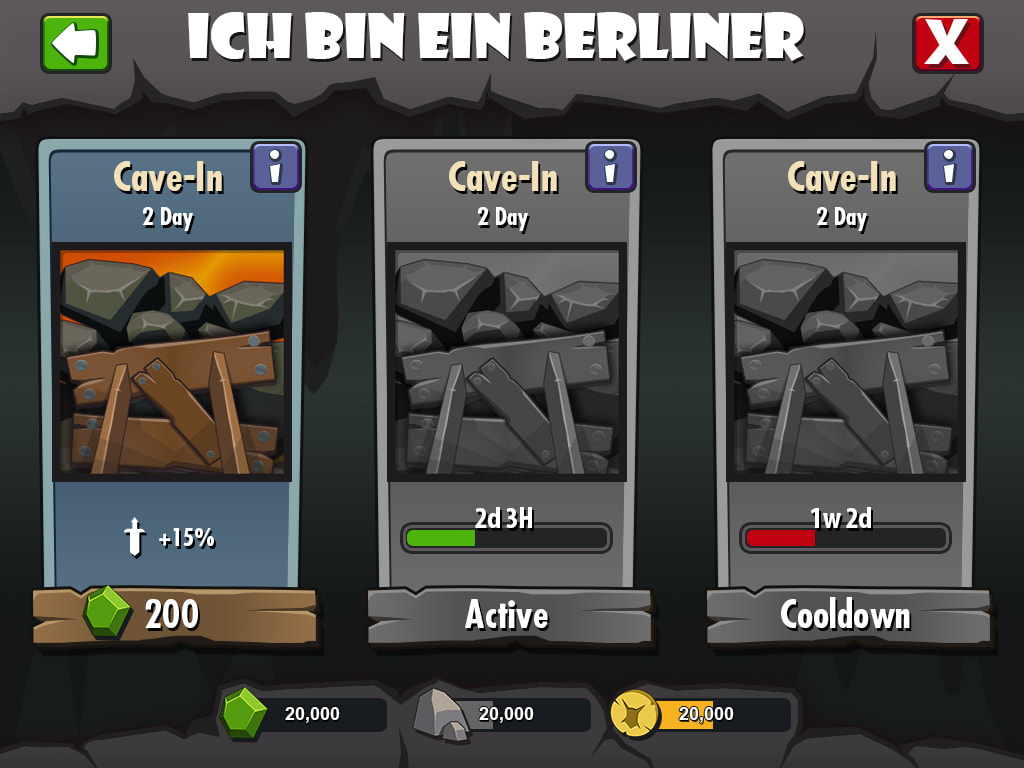
Players can spend either time or dollars to progress through the game by upgrading their dungeon, acquiring new assets (for offensive or defensive purposes), and managing their resources (both character and environment-driven ones). Designs started in wireframes to suss out the basic layout, information architecture, and requirements. You can see this process reflected, via before and after sliders, in the UX/UI examples below. User Interface Design / Dungeon HUDA sampling of UI and world-space based interface interactions.
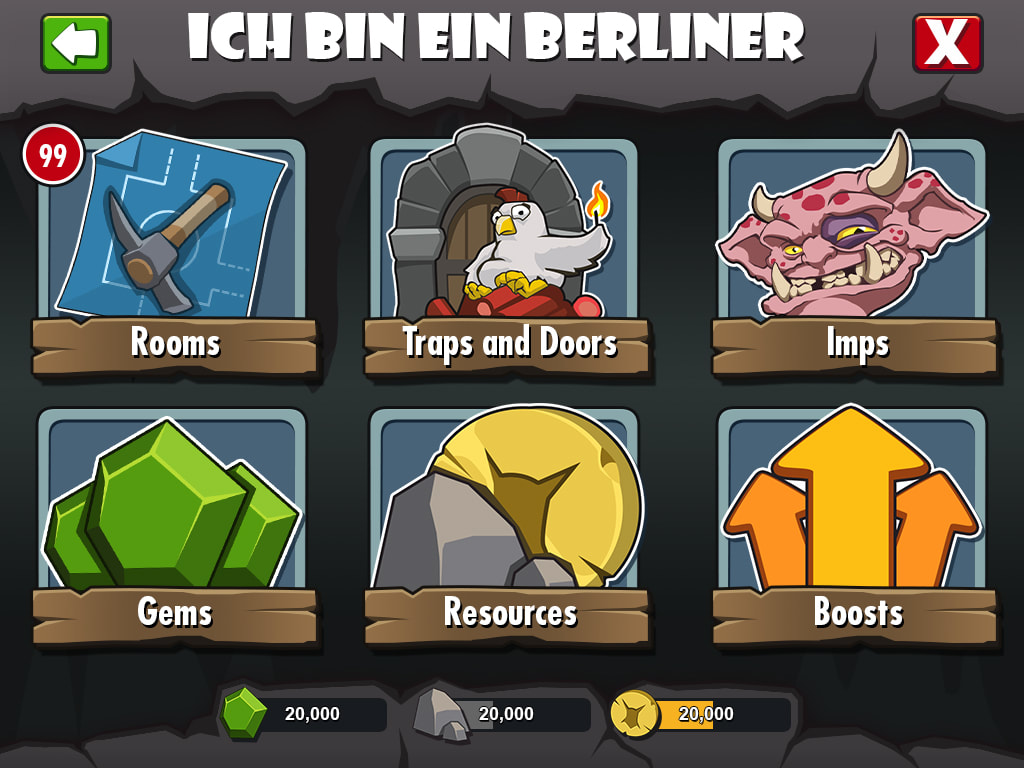
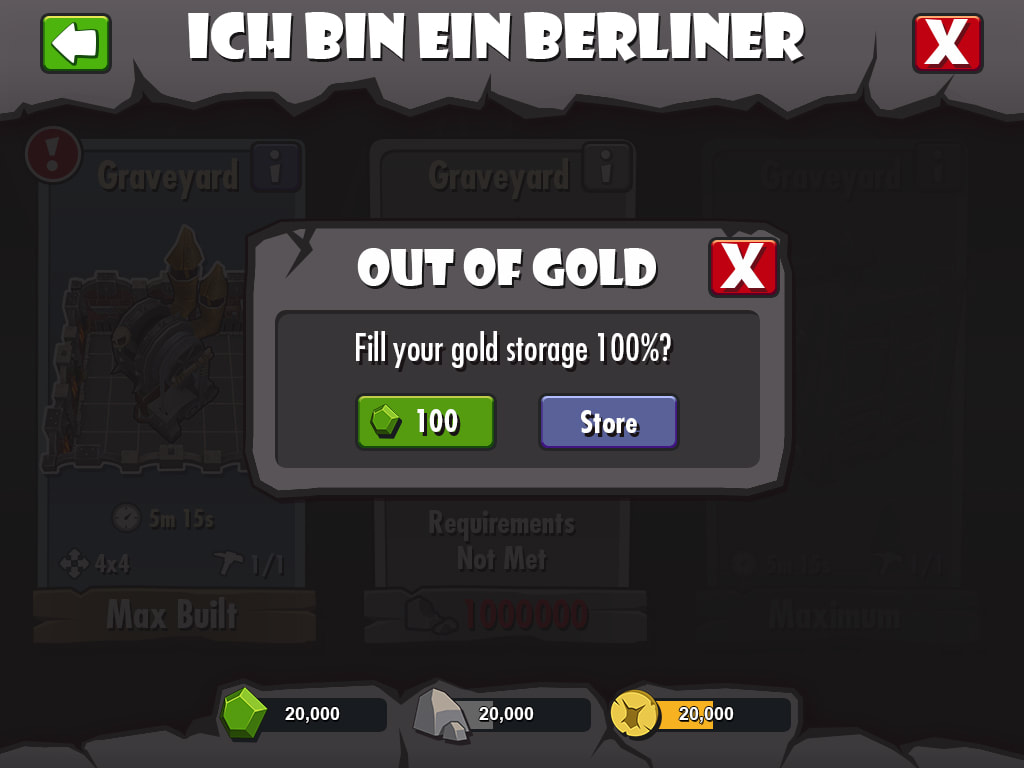
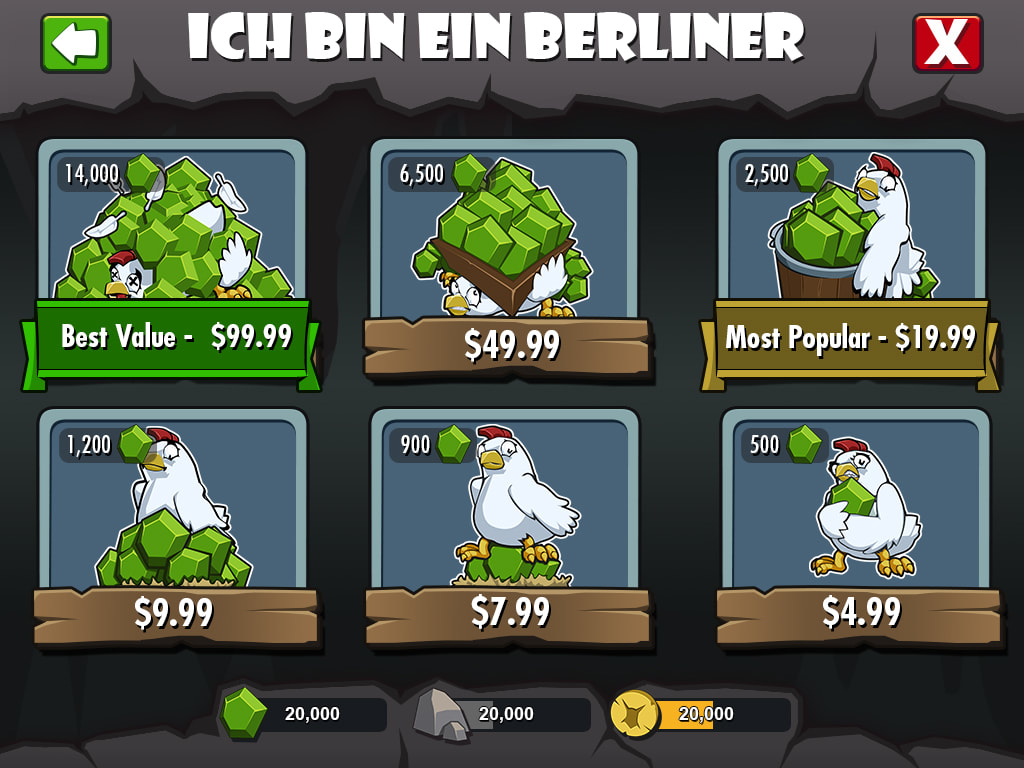
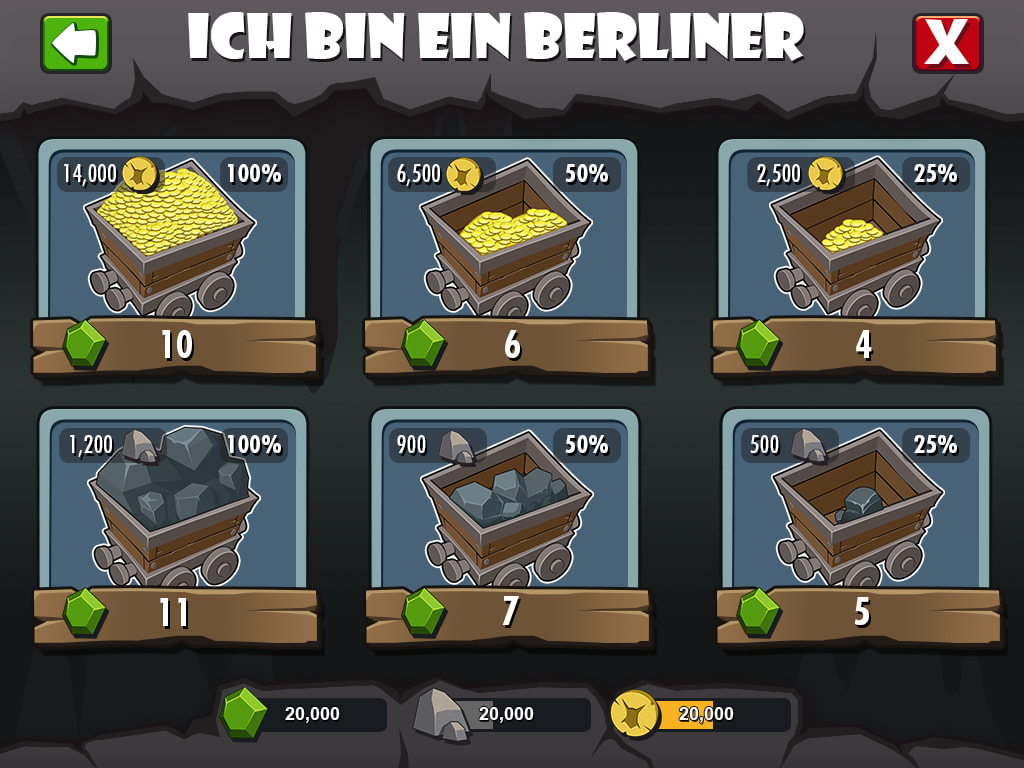
User Interface Design / StorefrontAs players acquire in-game resources, they visit the storefront to make defensive and offensive upgrades to their dungeon and minions. Dungeon Keeper uses a duel in-game currency of gold and gems, with most items purchasable with either type. Gems are purchased with real-world currency, while gold is acquired over time through direct play.
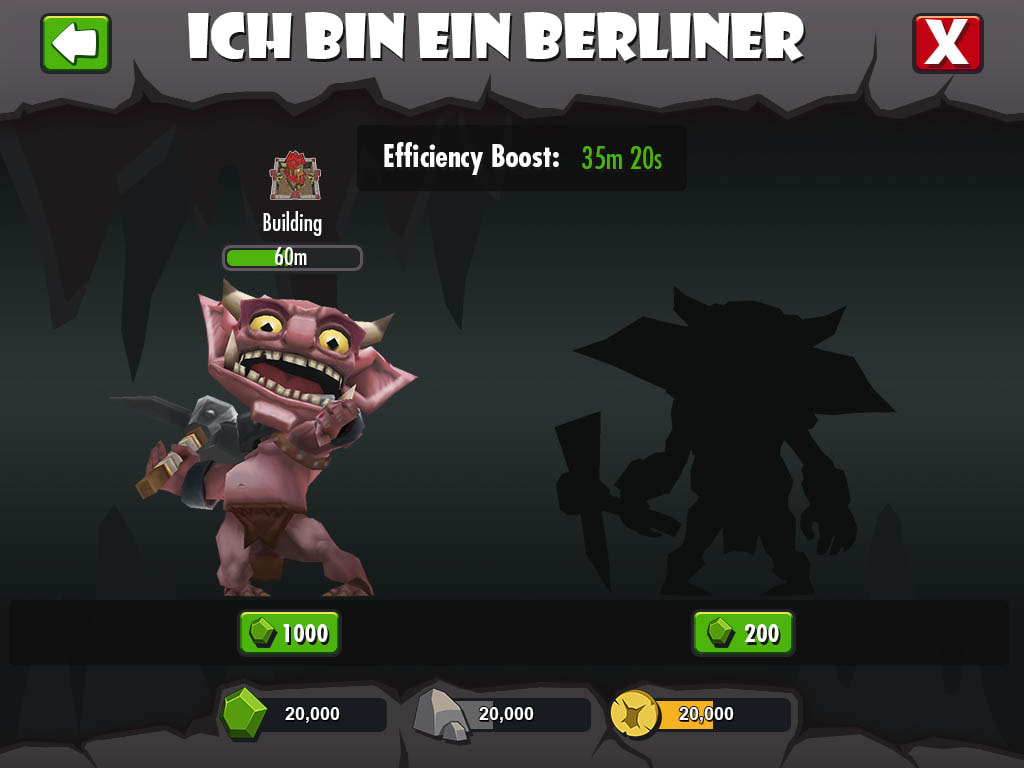
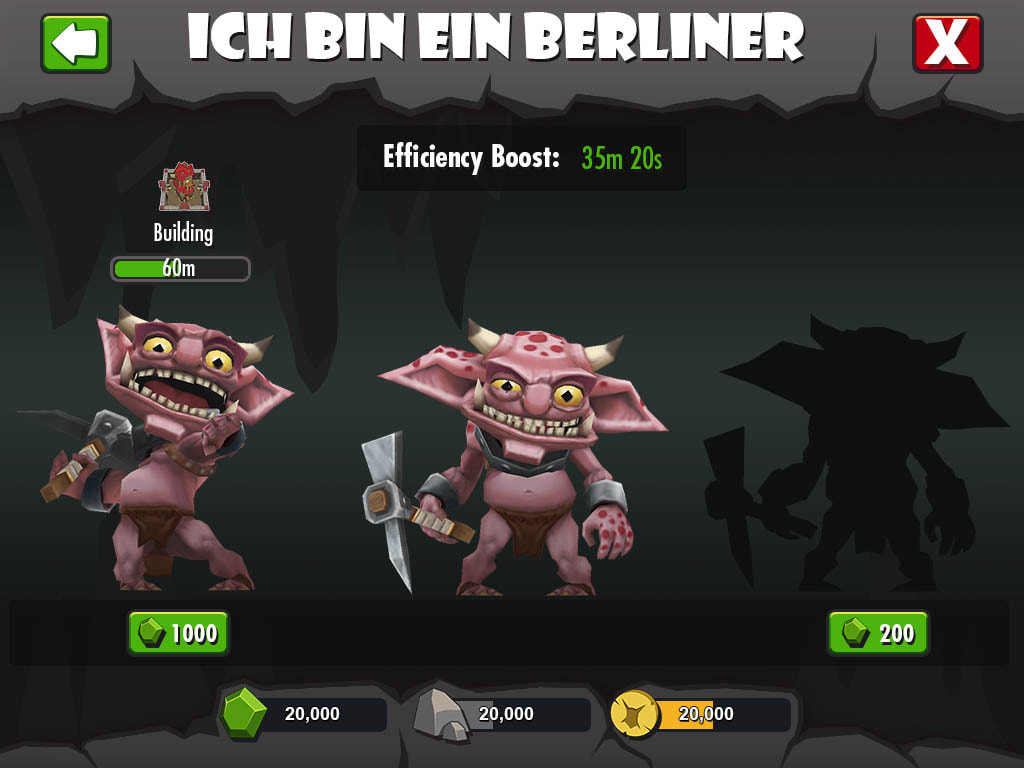
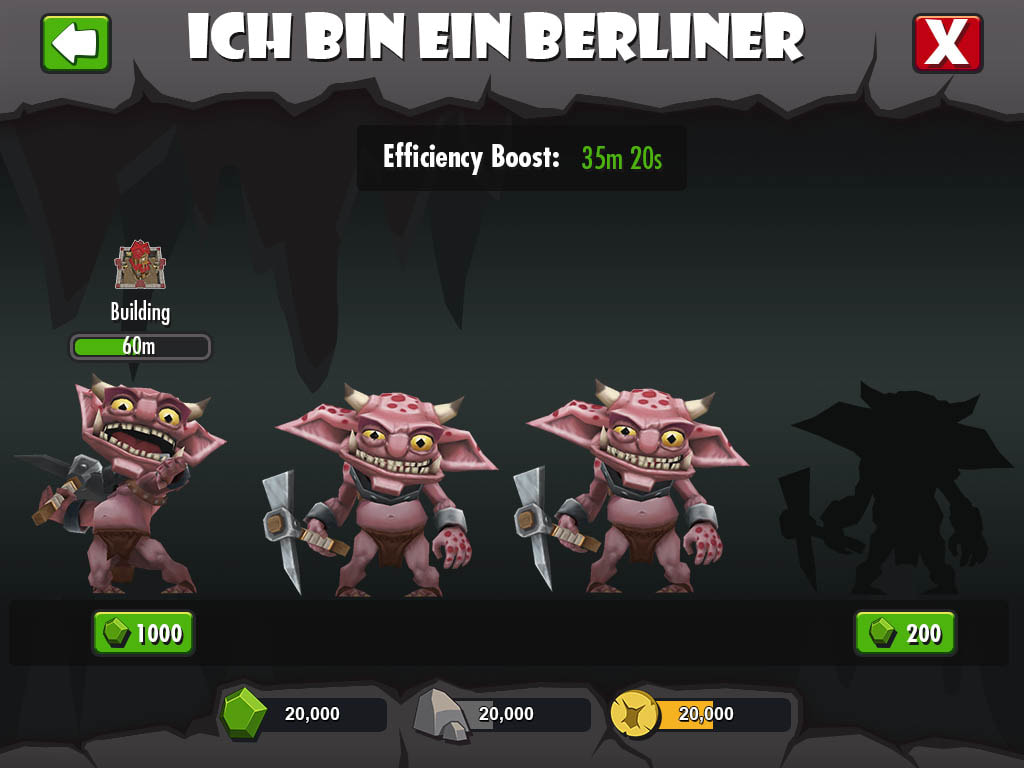
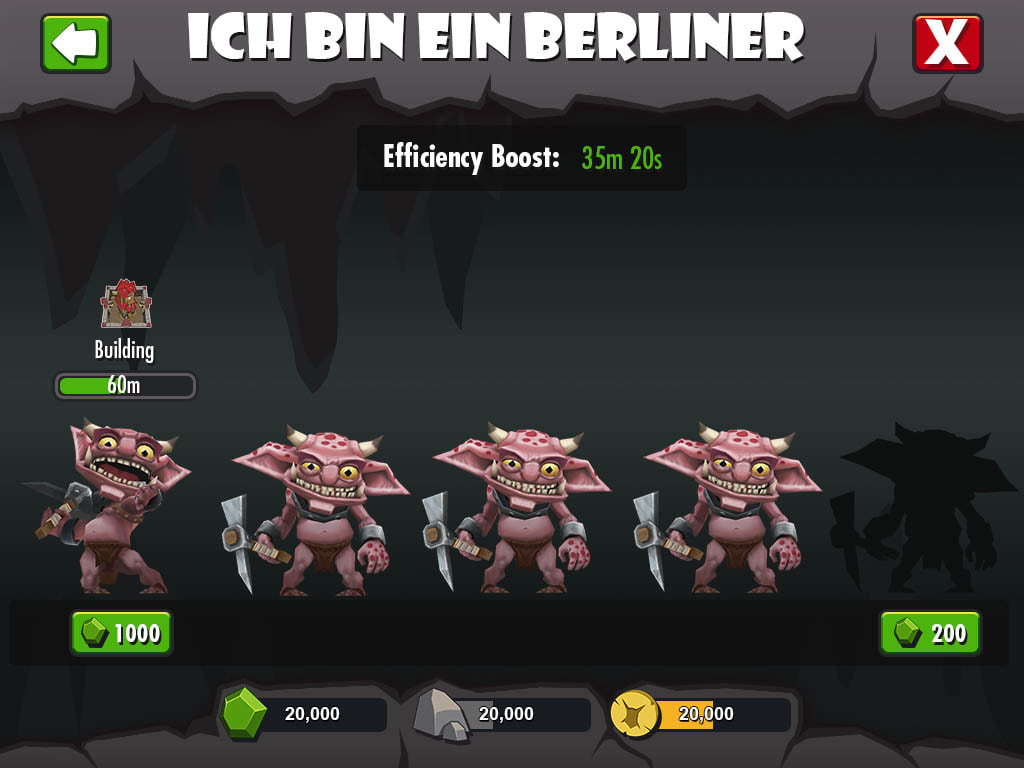
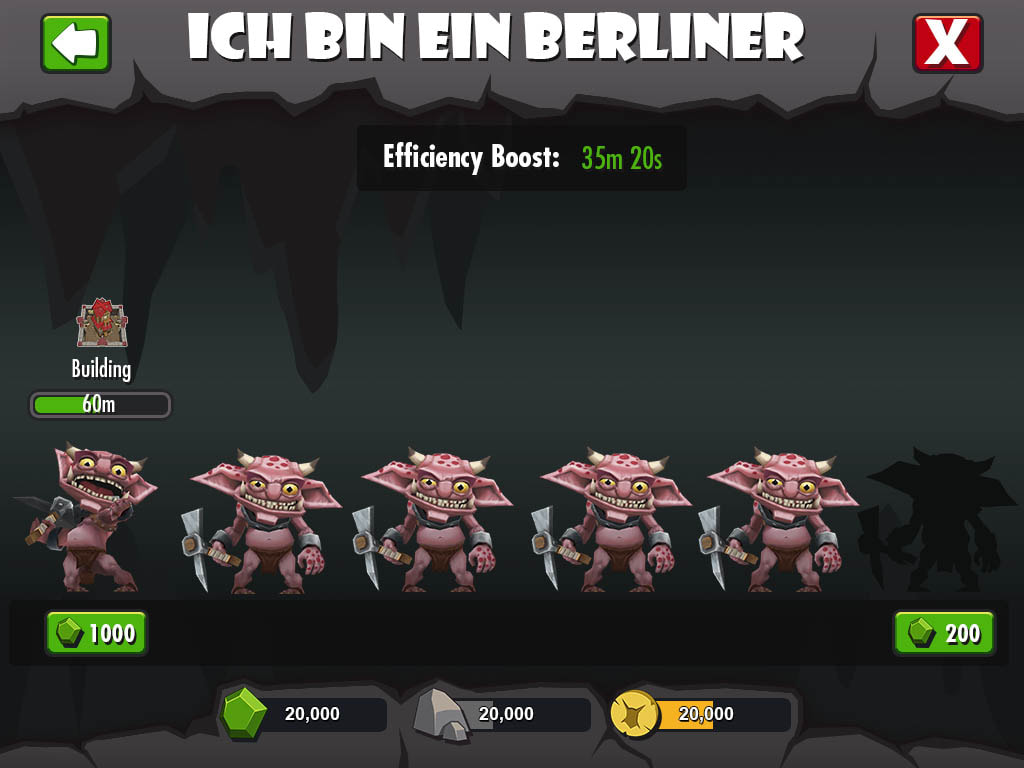
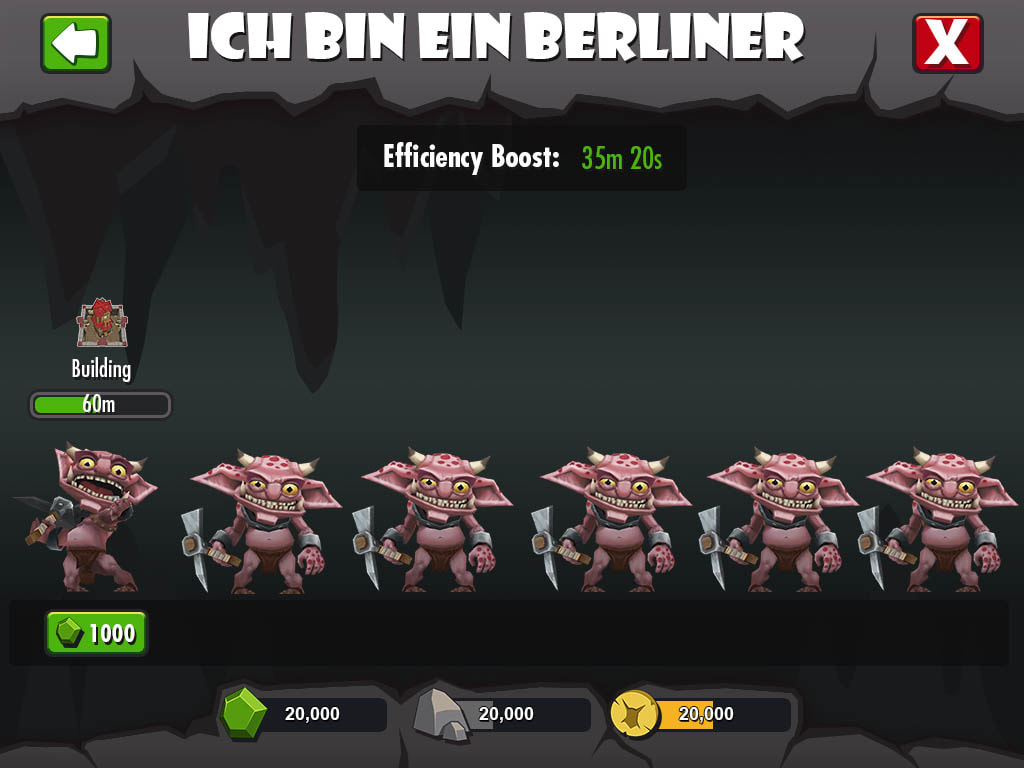
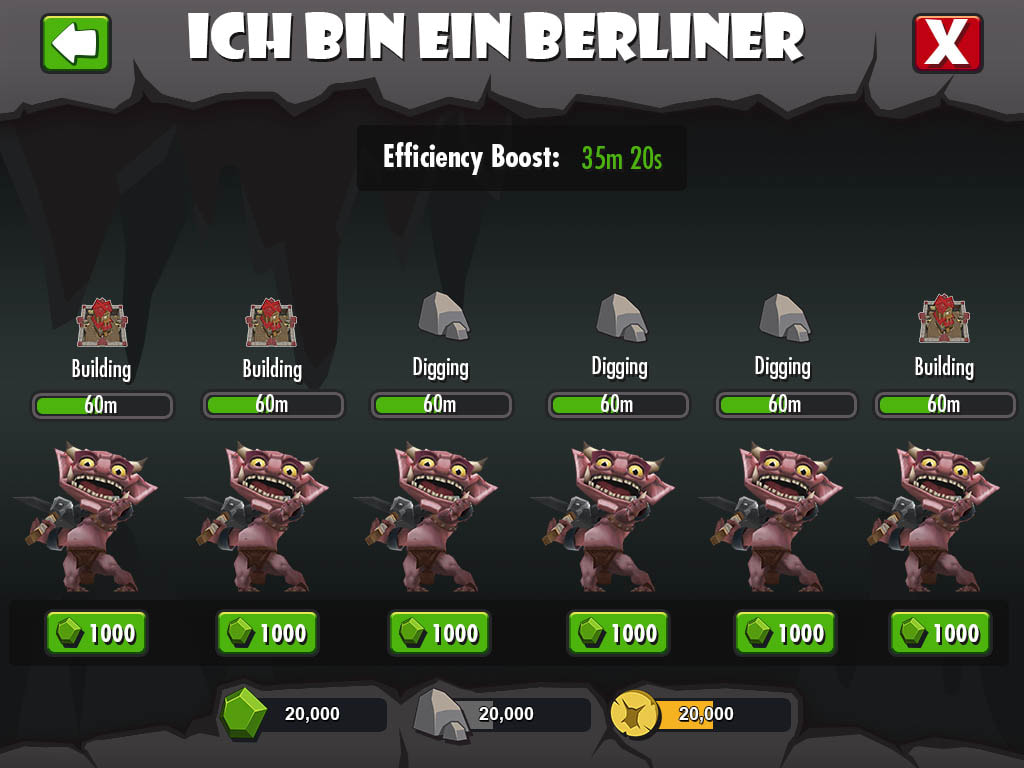
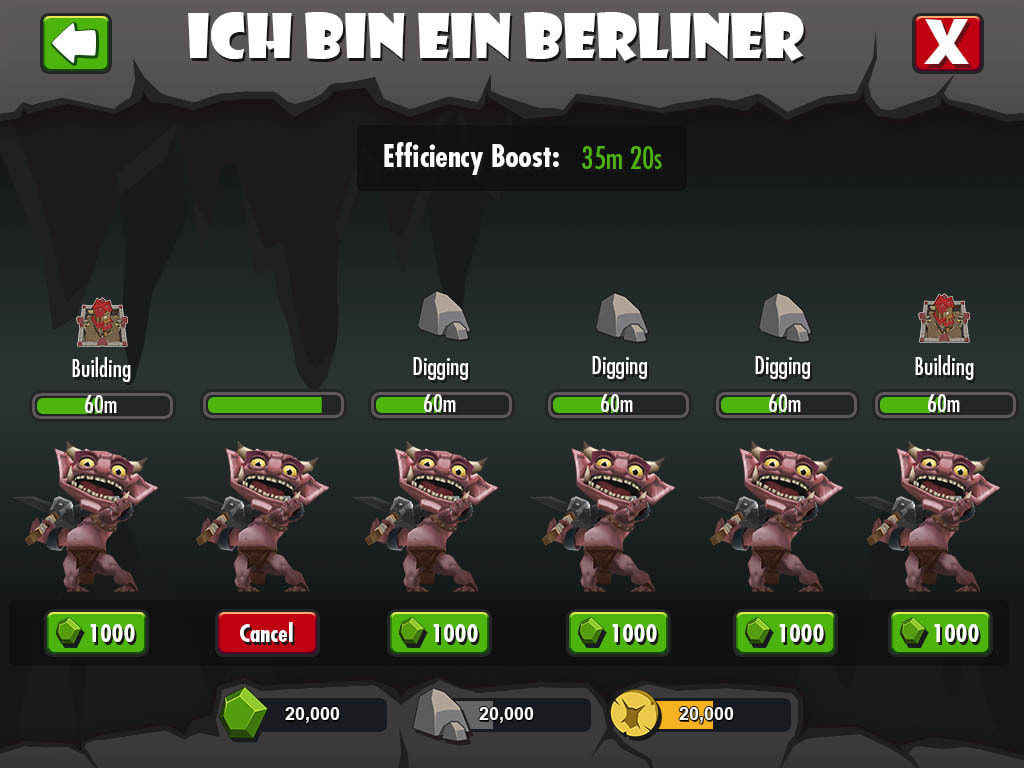
User Interface Design / Imp Slap WindowImps are the main worker minion for players in Dungeon Keeper. They are responsible for the construction of all dungeon rooms and traps. The more minions a player acquires, the more simultaneous construction can be tackled.
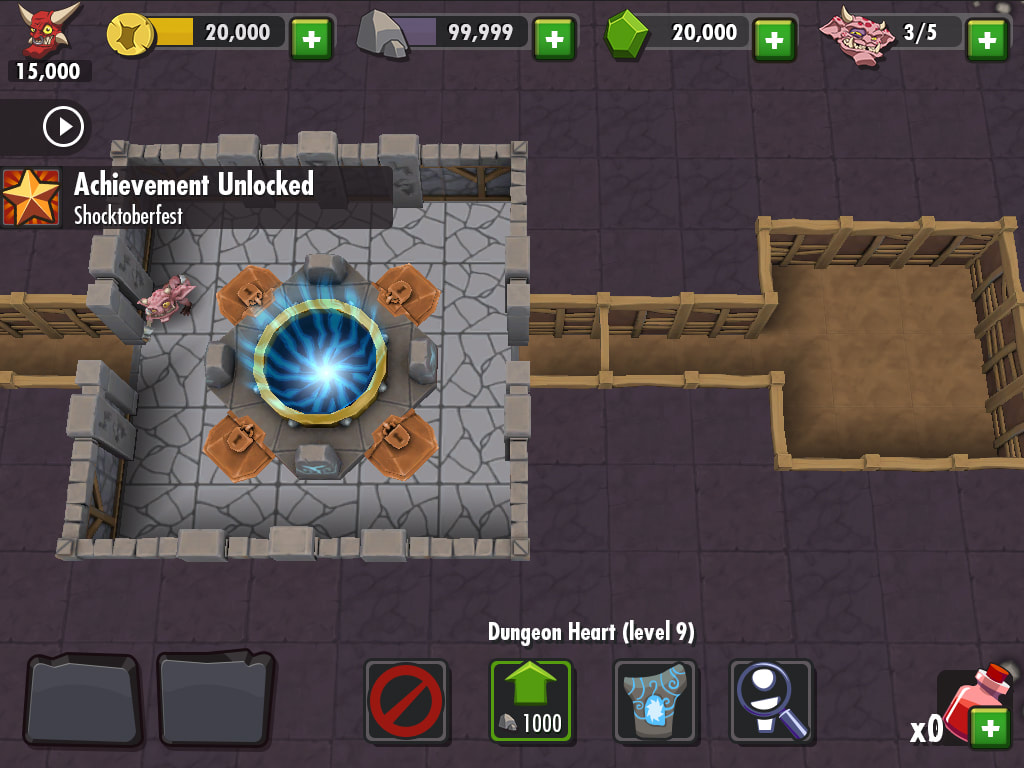
The Imp Slap window is the means through which a player can purchase and manage the imp workforce. Players also need to periodically "motivate" the imps by slapping them with finger swipes, causing the imps to build faster. User Interface Design / Achievement WindowPlayers access this window to review their overall progress towards individual objectives, then claim the full ones to get new bonuses, buffs, and awards.
User Interface Design / Returning User WindowUpon returning to the game, if other players have attacked the user's dungeon, they receive a dashboard of the events that occurred and how well their dungeon did at defending itself. Players can replay the battles to see the weaknesses in their defense setup and replenish damaged equipment and munitions.
User Interface Design / Spell book windowPlayers review spells for purchase and manage existing ones by upgrading components.
Teaser Trailer |


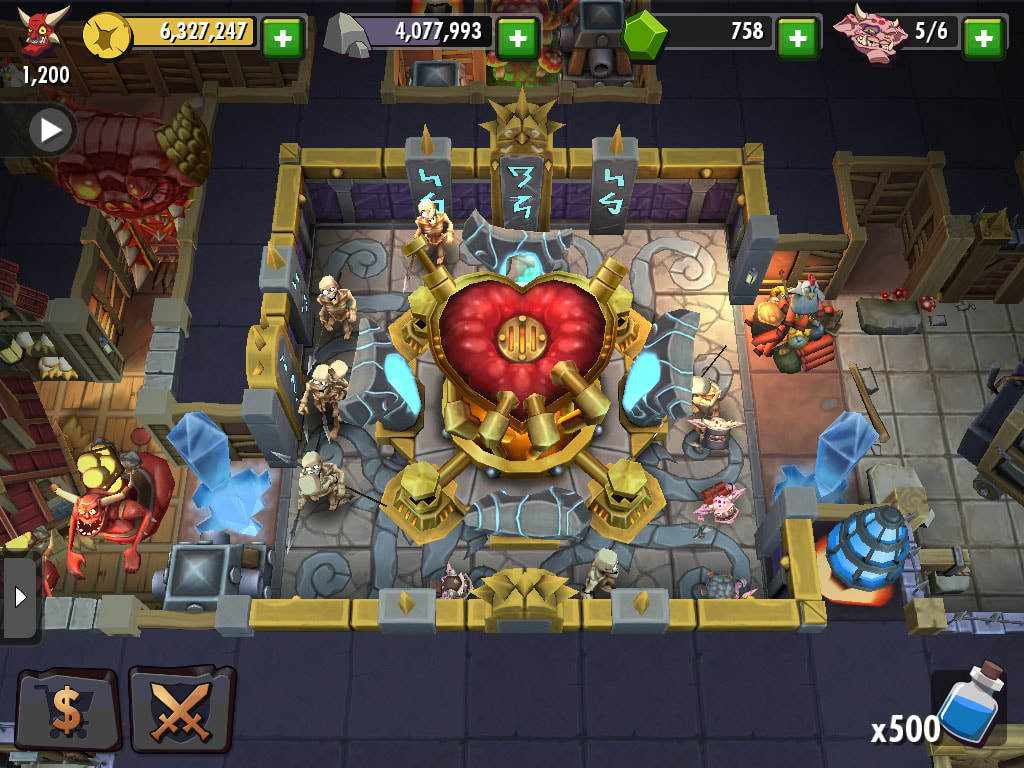
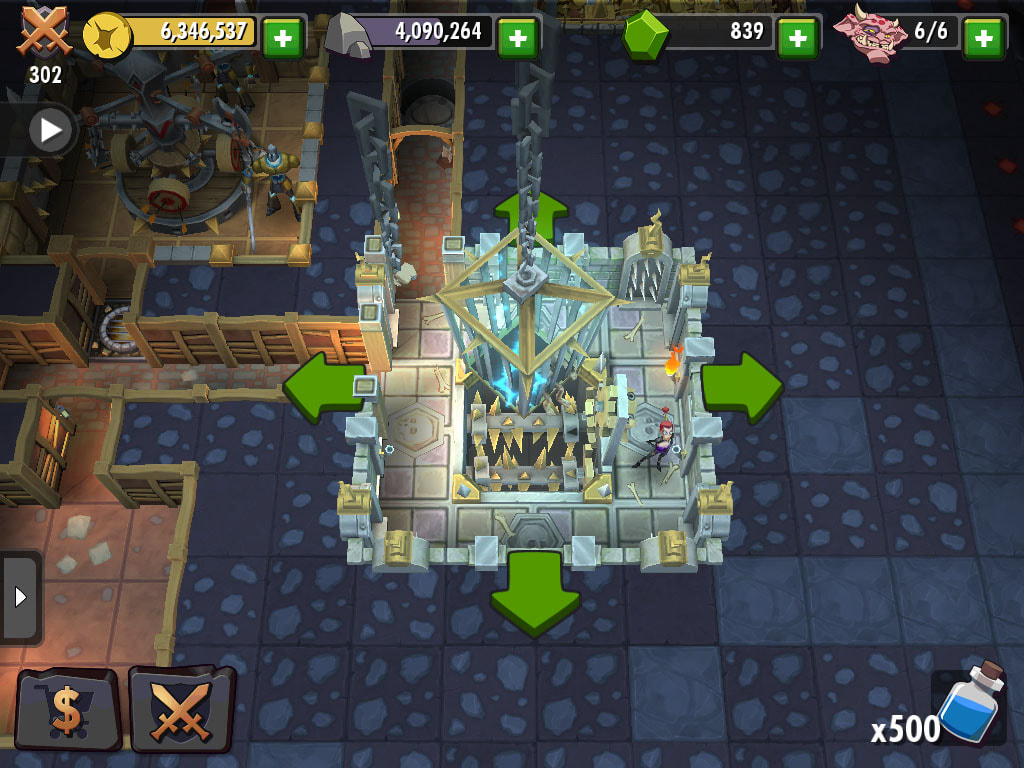
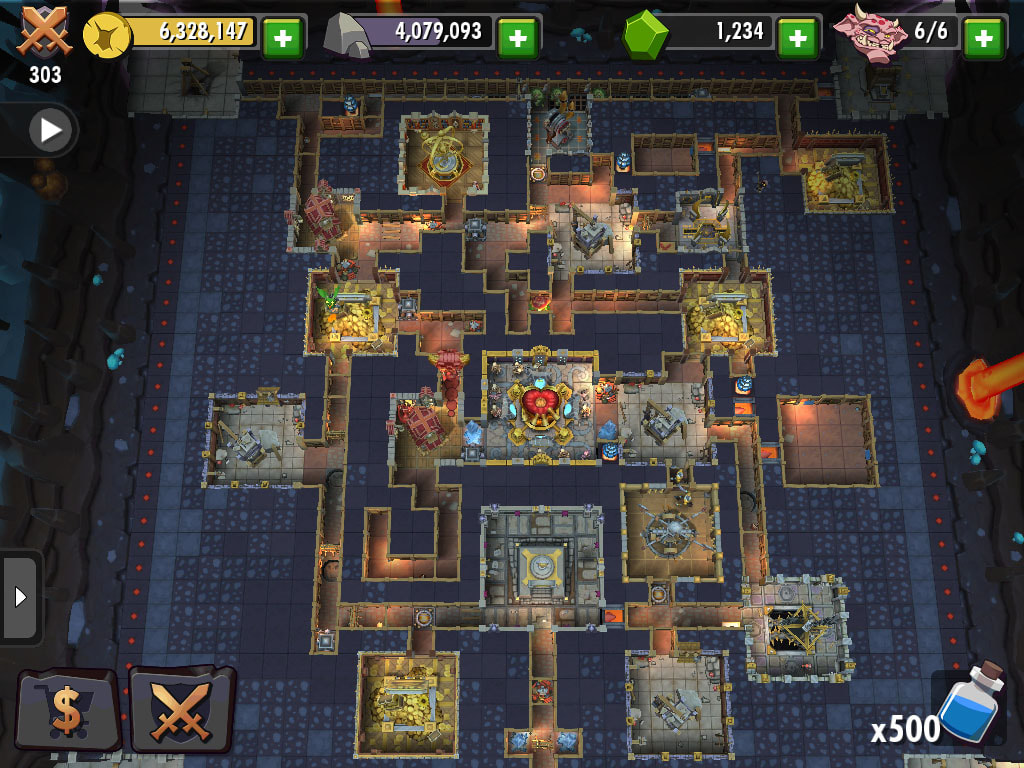
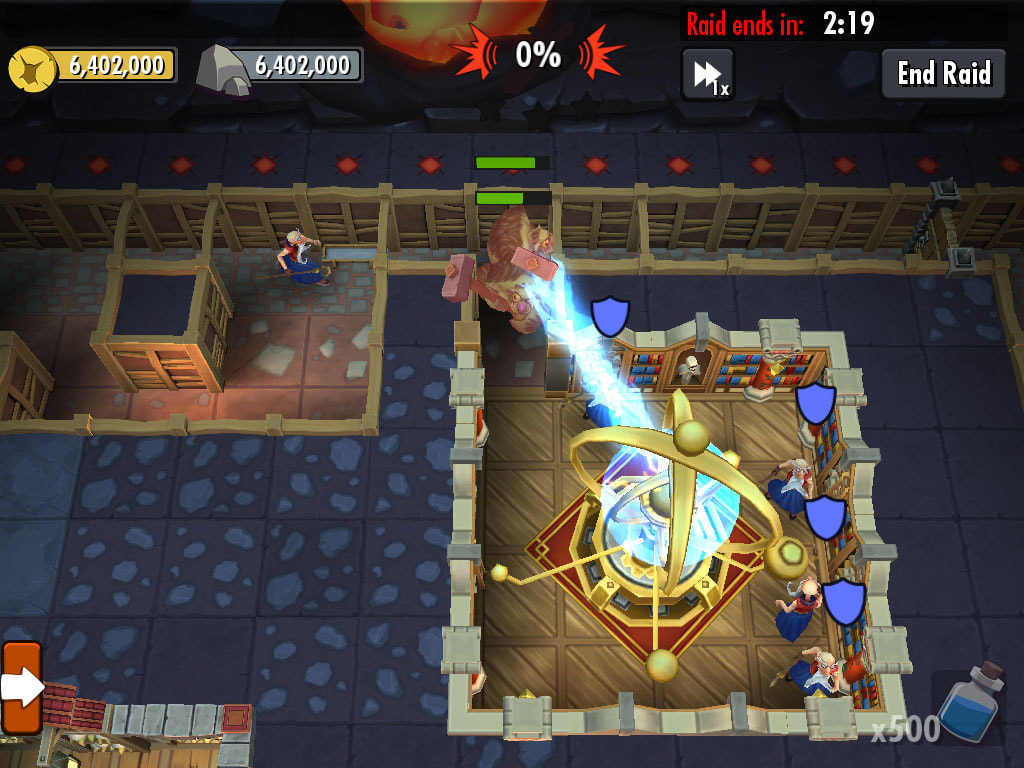
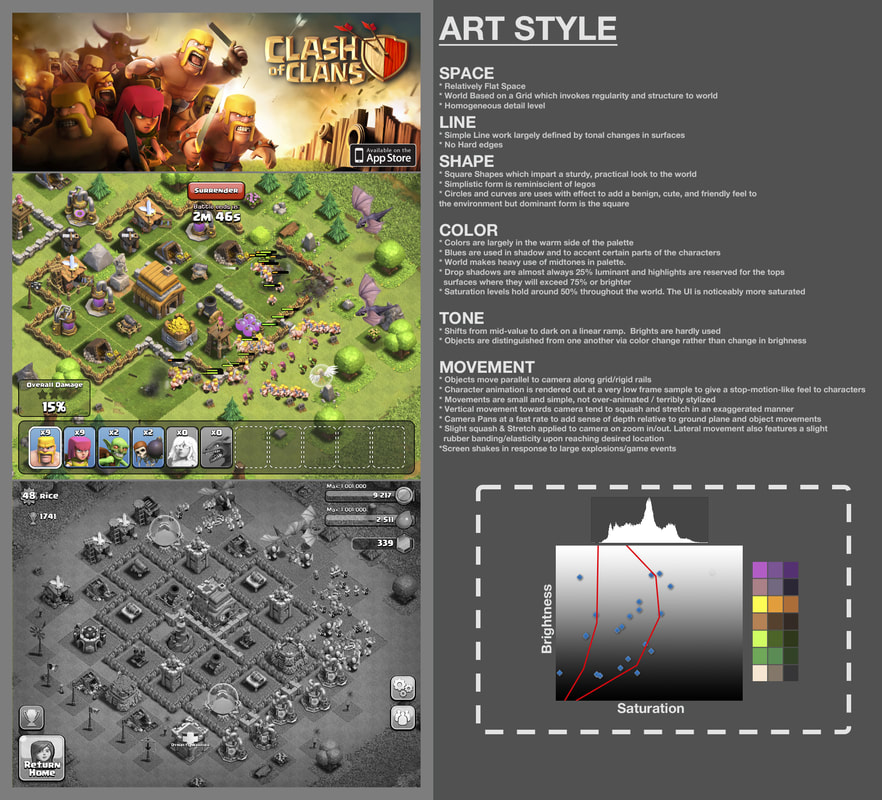
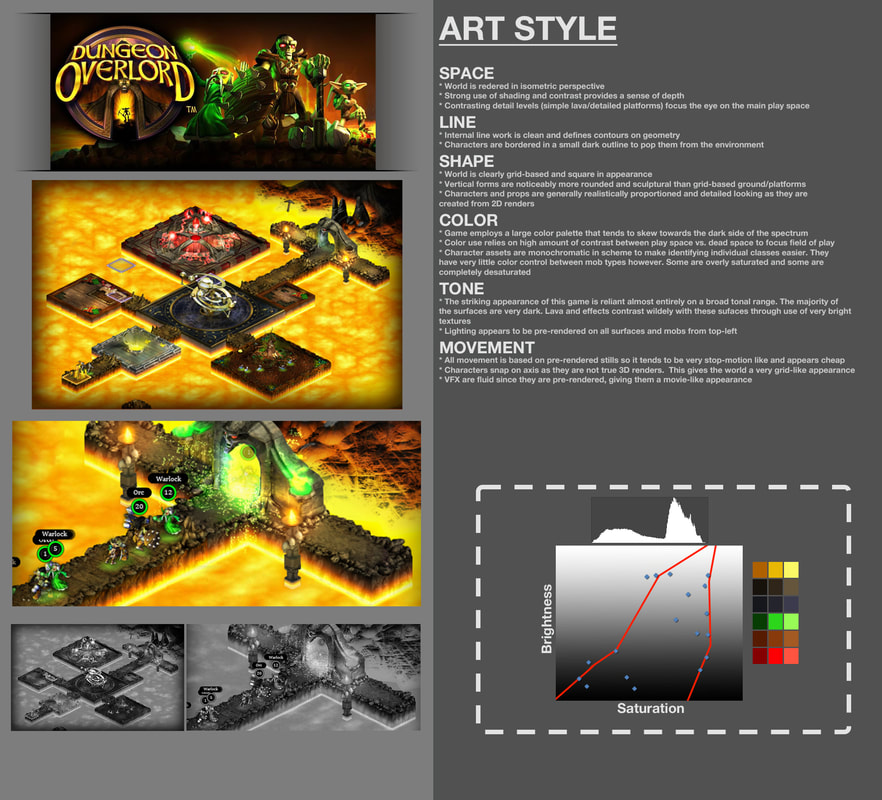
Art DirectionWhen I took over visual direction on the title, I instituted two key changes:
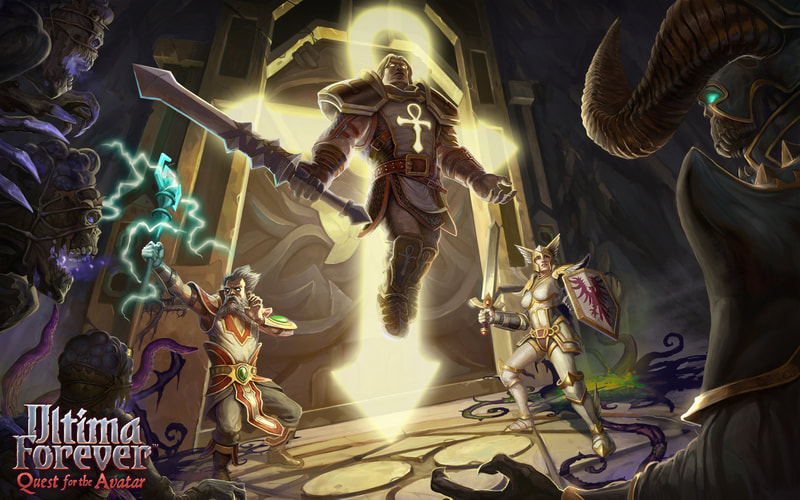
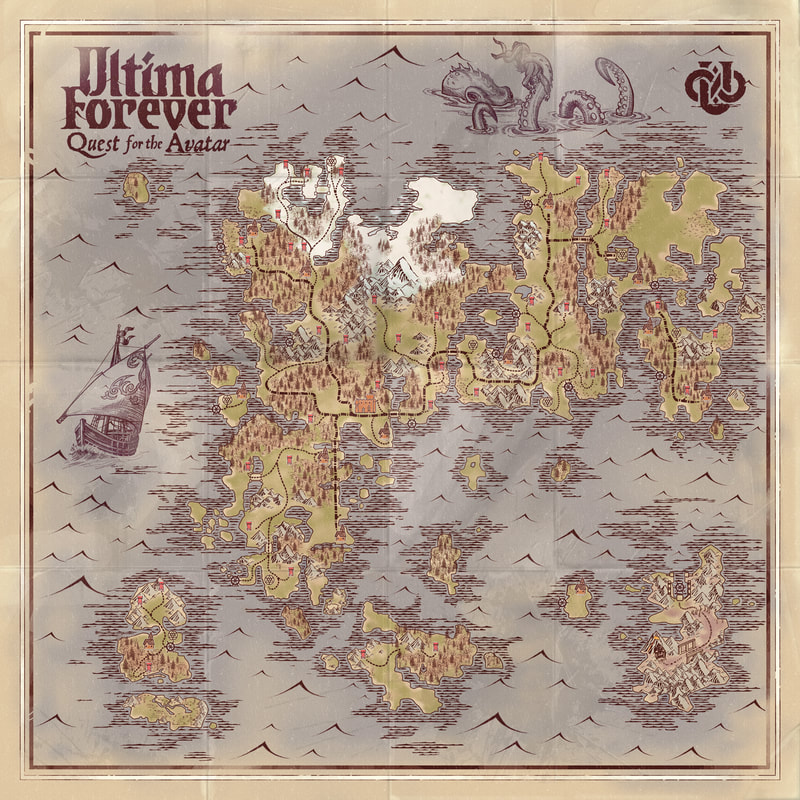
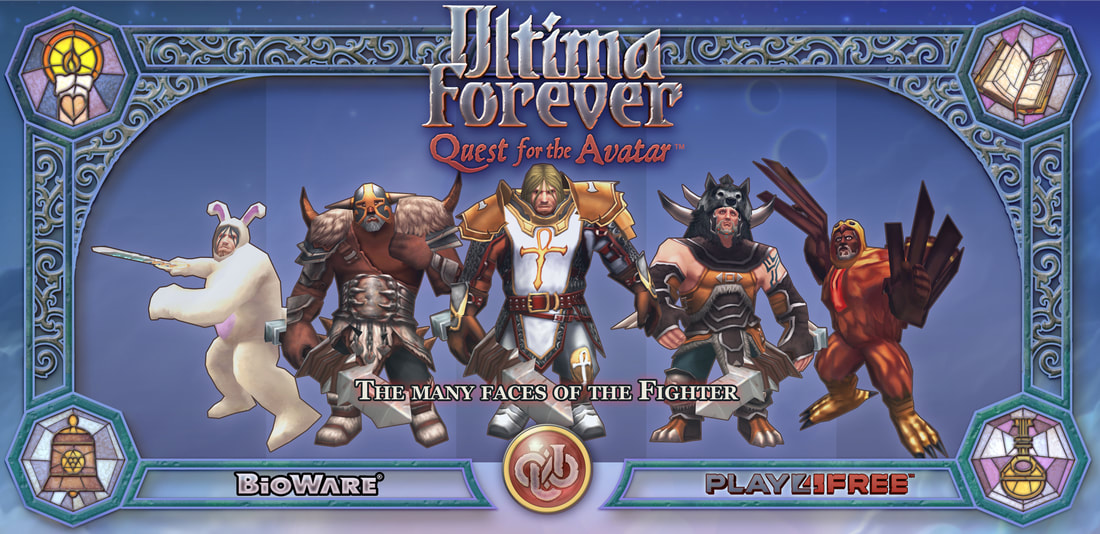
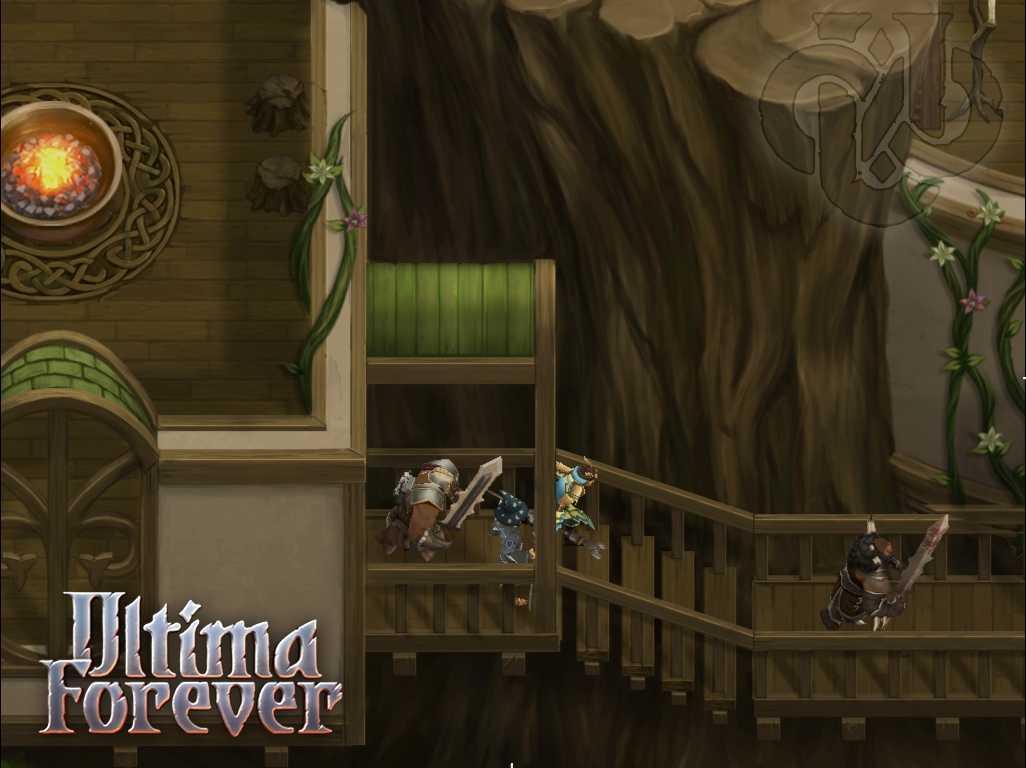
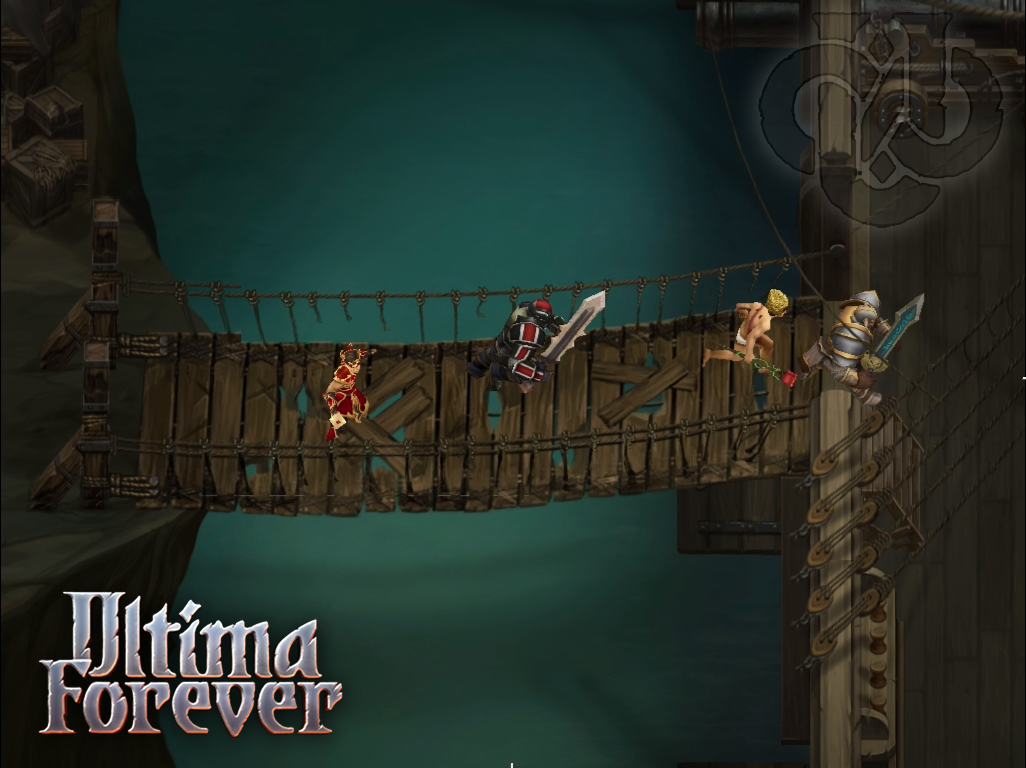
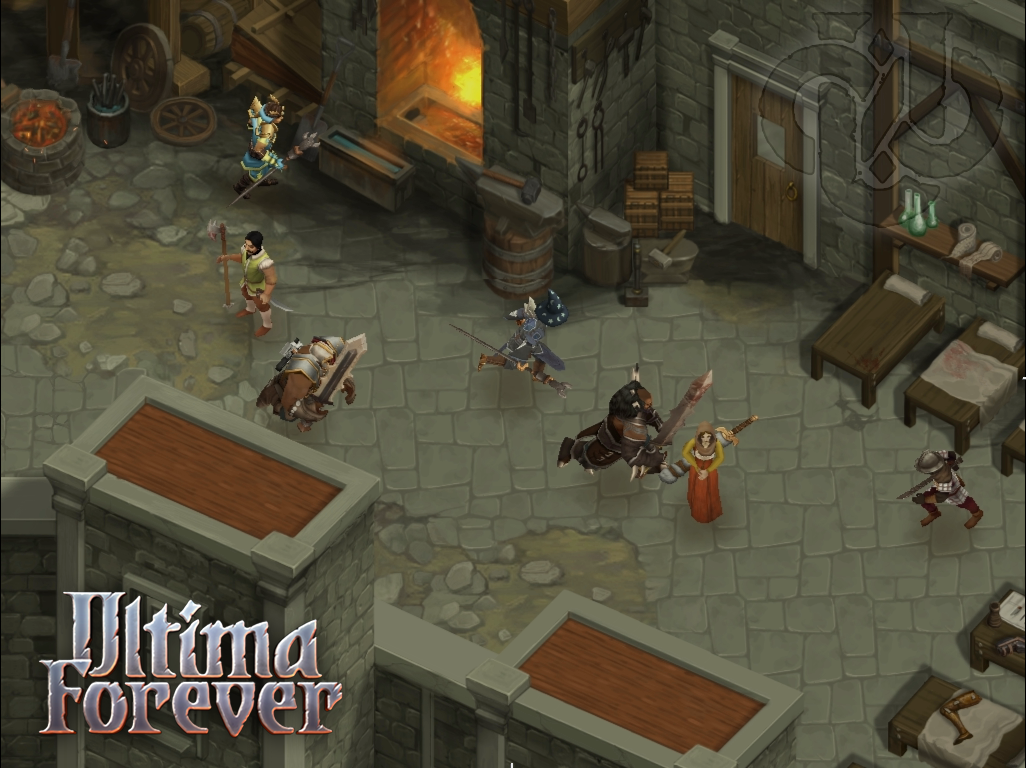
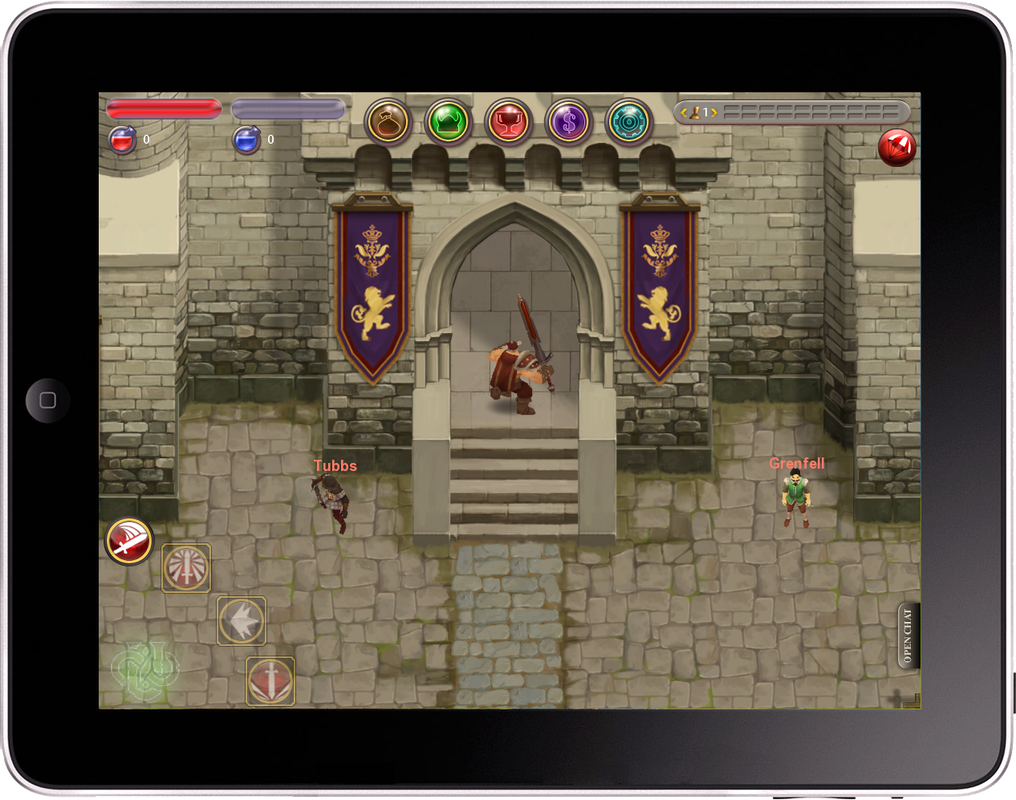
I made these changes for a couple reasons, but primarily to play on the strengths of the team. Up until Ultima Forever, the Mythic studio's entire art team had been 3D focused. When Ultima Forever was conceived as a 2D-only title, 3D-trained artists were demoralized, production practices derailed, and the team was unable to play on its strengths. By switching character design to be 3D, we were able to quickly start producing quality animations and character designs at the volume the title demanded.
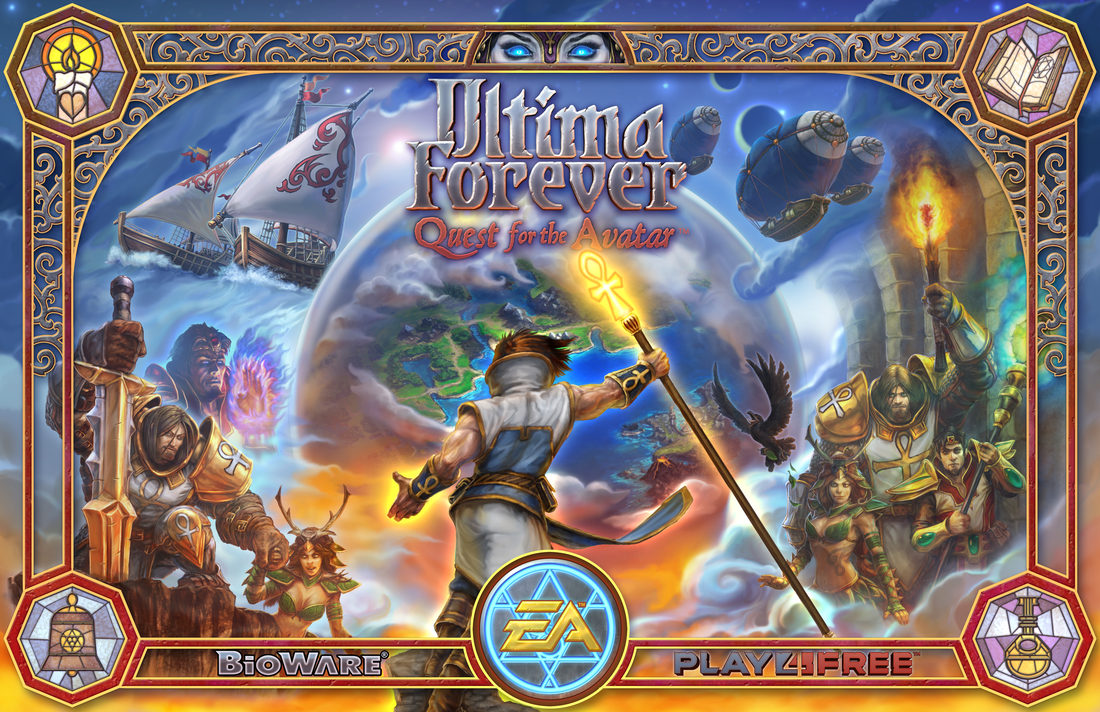
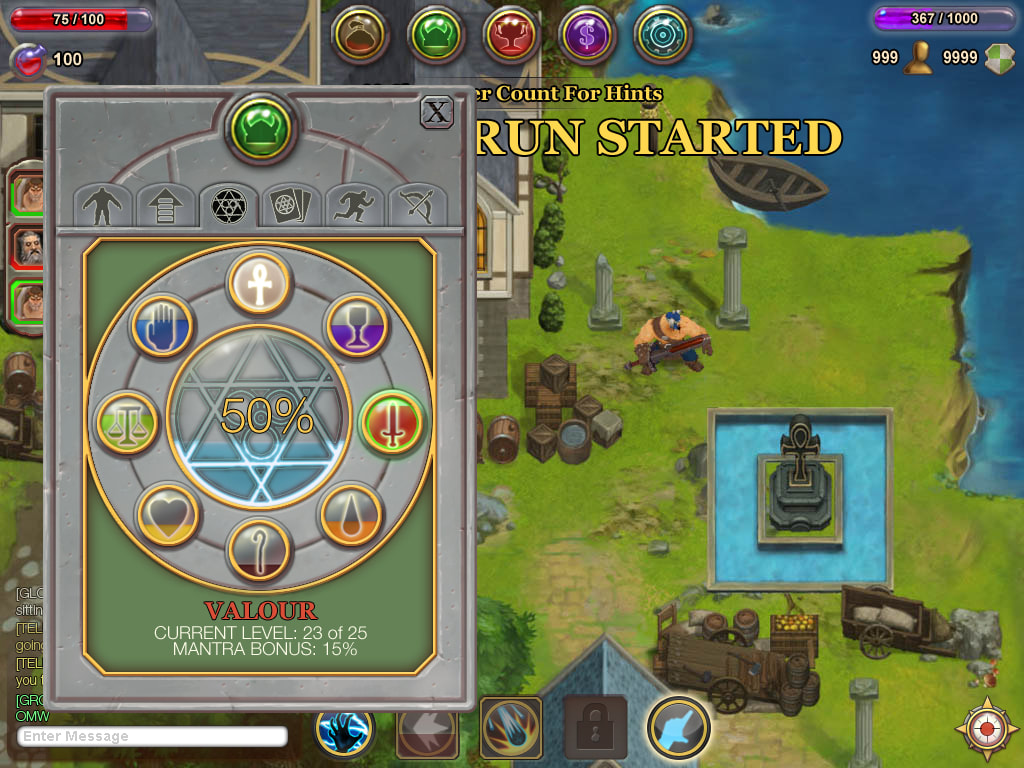
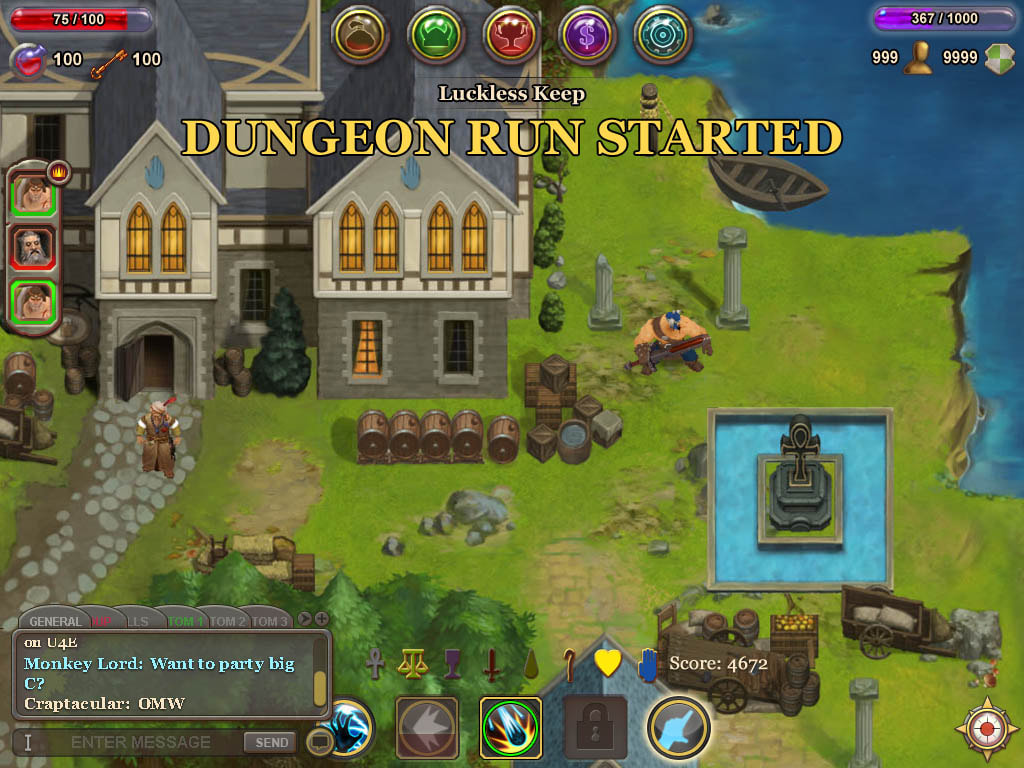
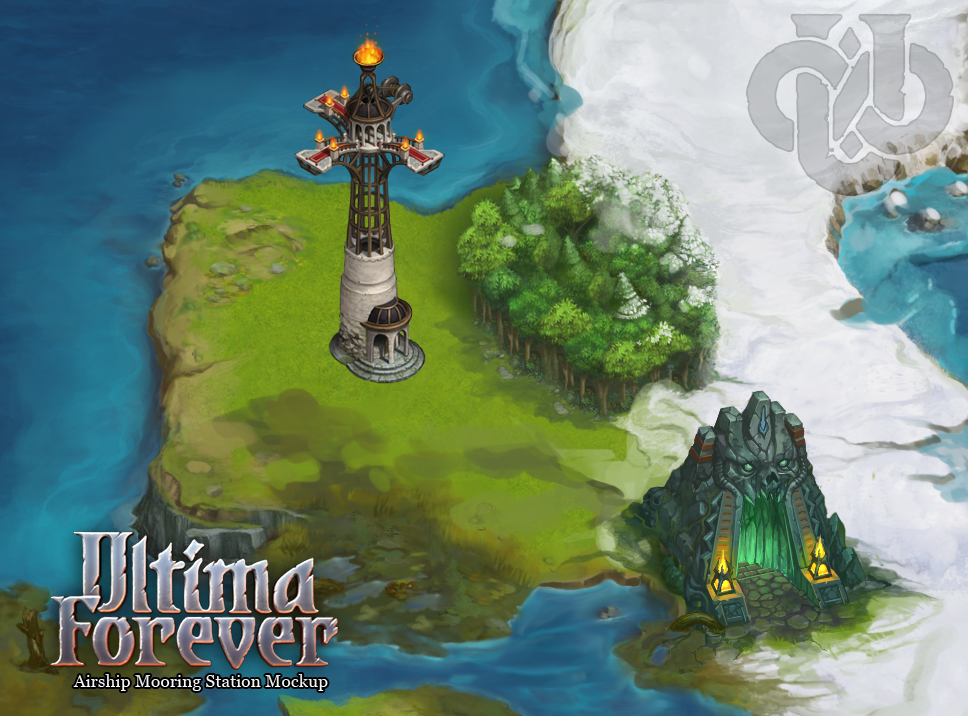
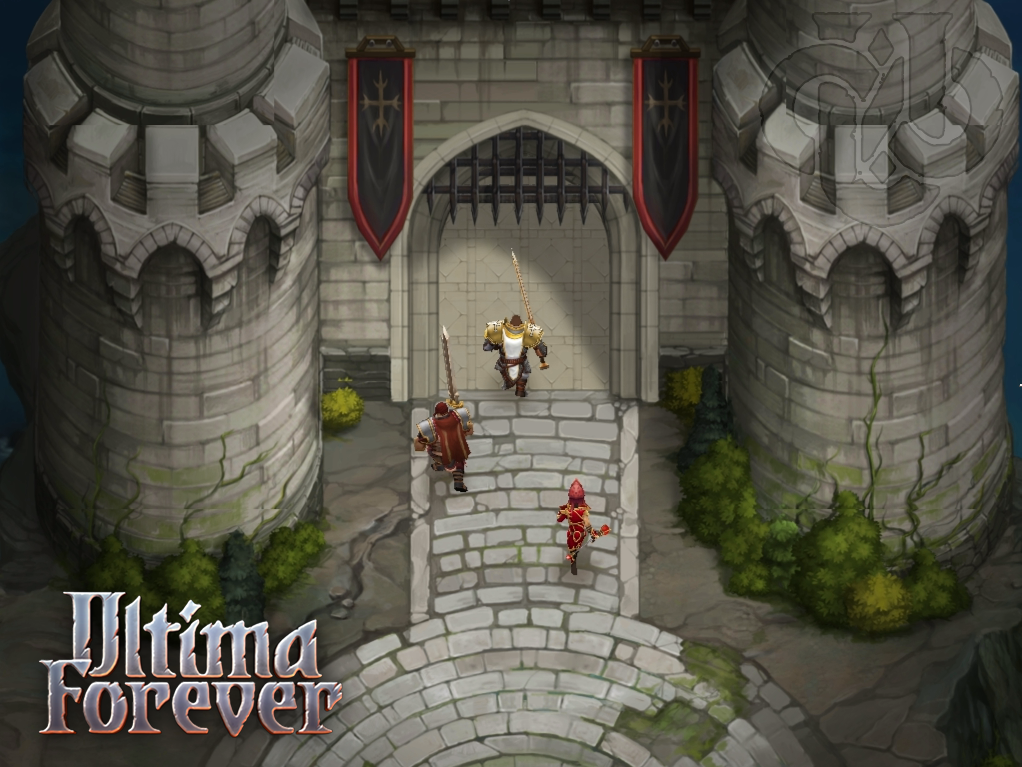
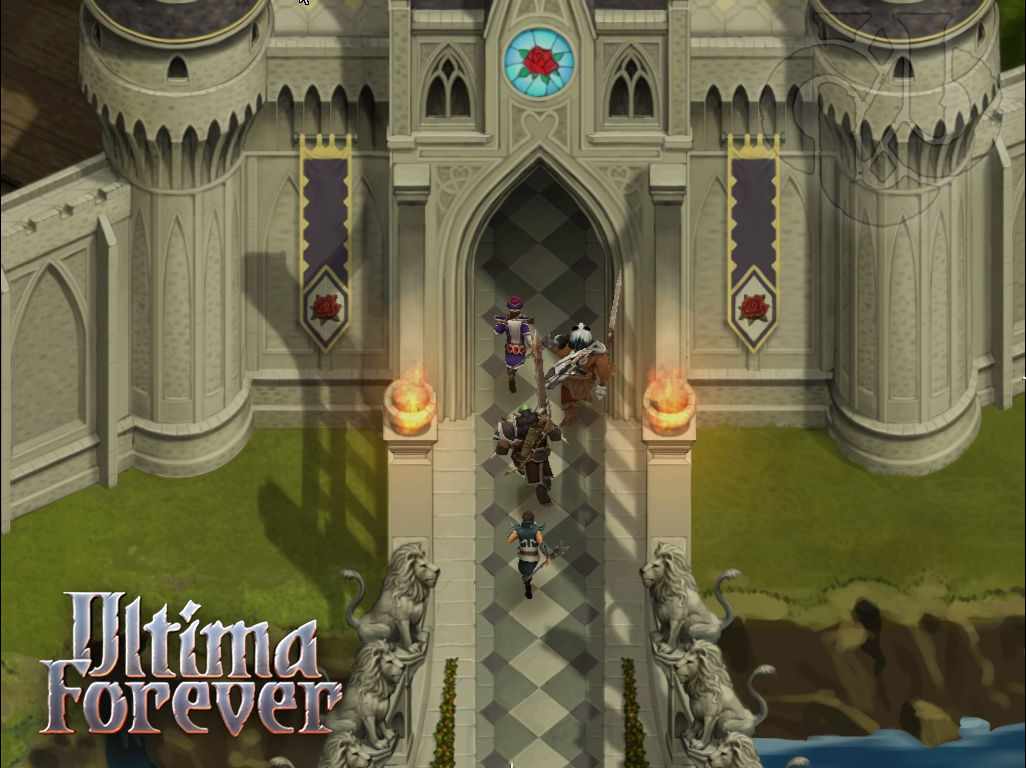
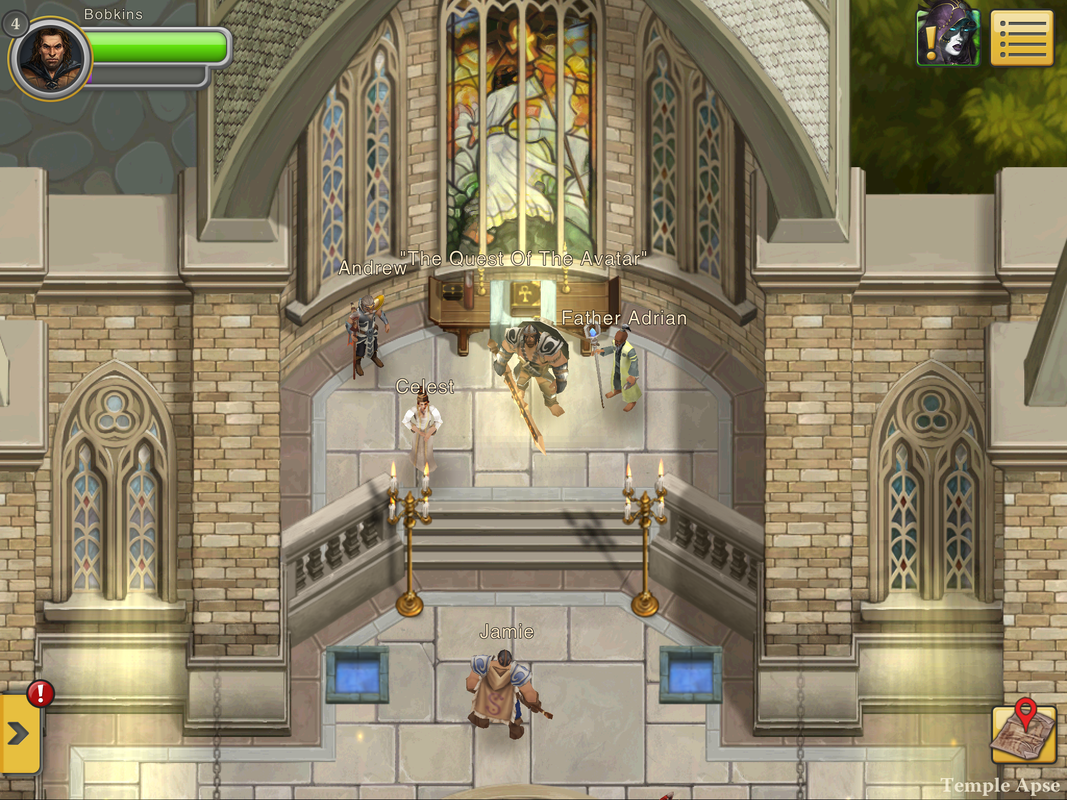
Another one of the team's great strengths was concept design. Warhammer had attracted some of the industry's greatest concepts artists and they could lay down the paint, but Ultima Forever had been taking a 2D tile-set approach, meaning that the world looked repetitive and dull. By pushing for the ability to render 2D plates and paint alpha masks that would layer the environments like an After Effects parallax plate, players could now experience Ultima by playing it right on top of the beautiful concept art. User Interface DesignThe user interface designs shown here are not what ultimately shipped with the game. Functionally, the UX is the same, but the UI was changed.
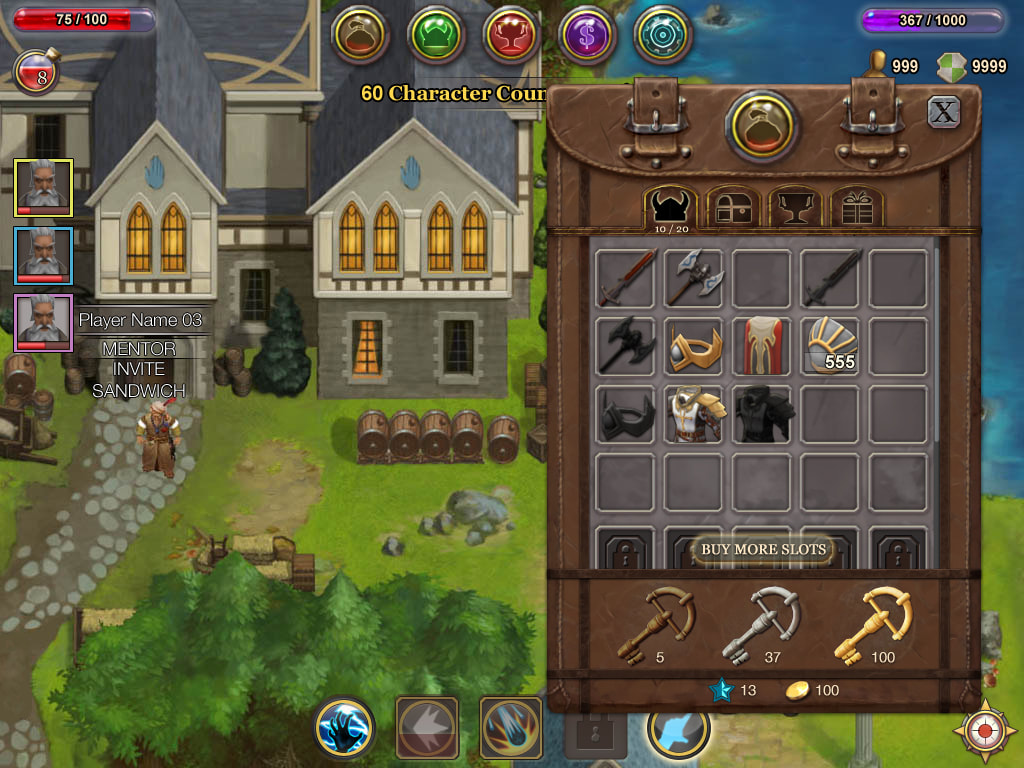
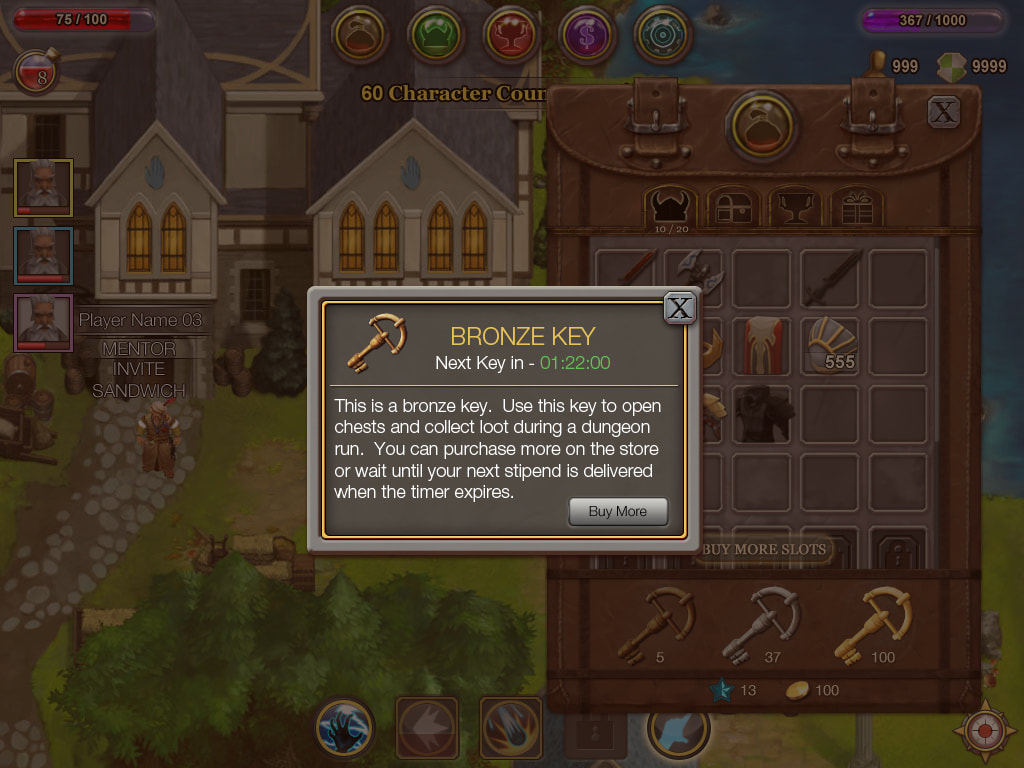
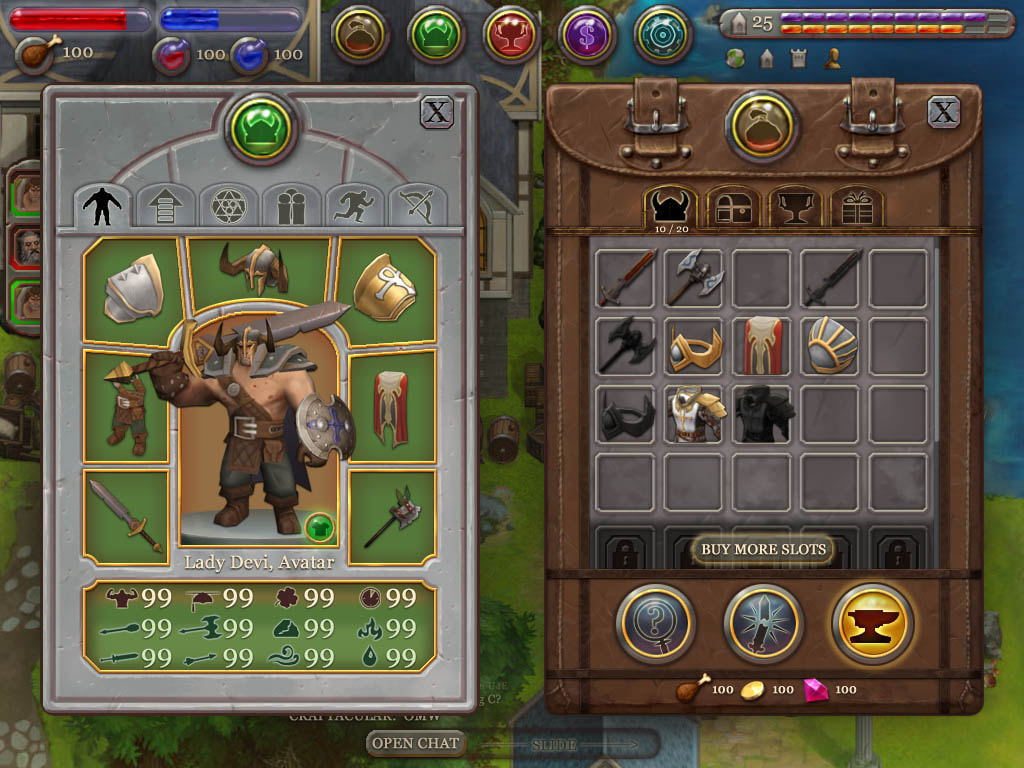
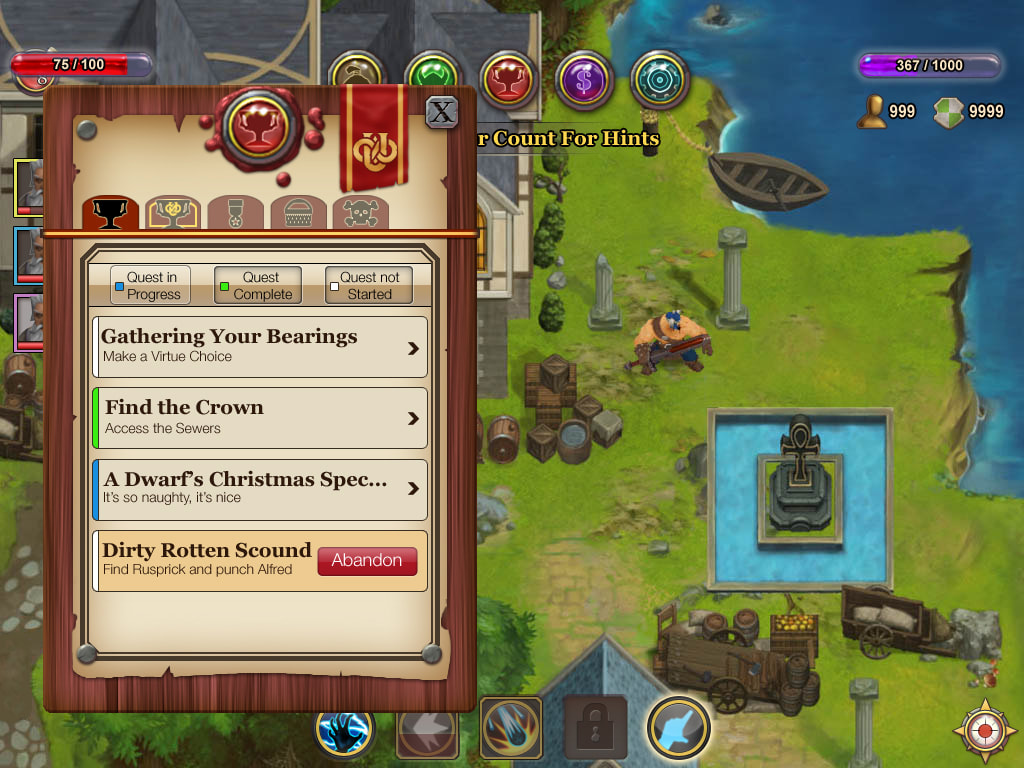
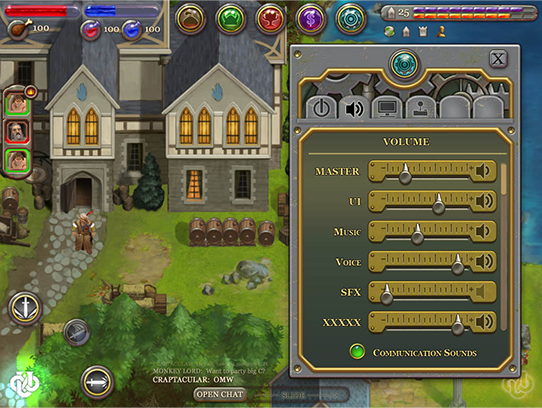
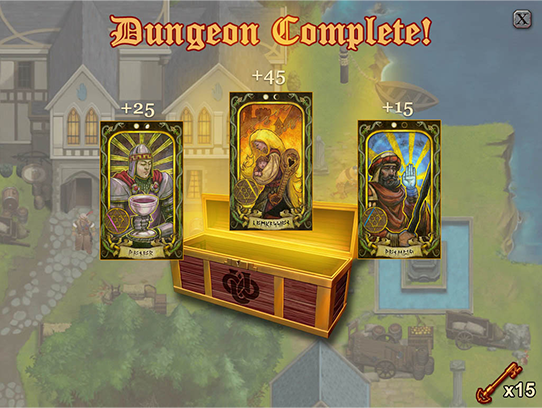
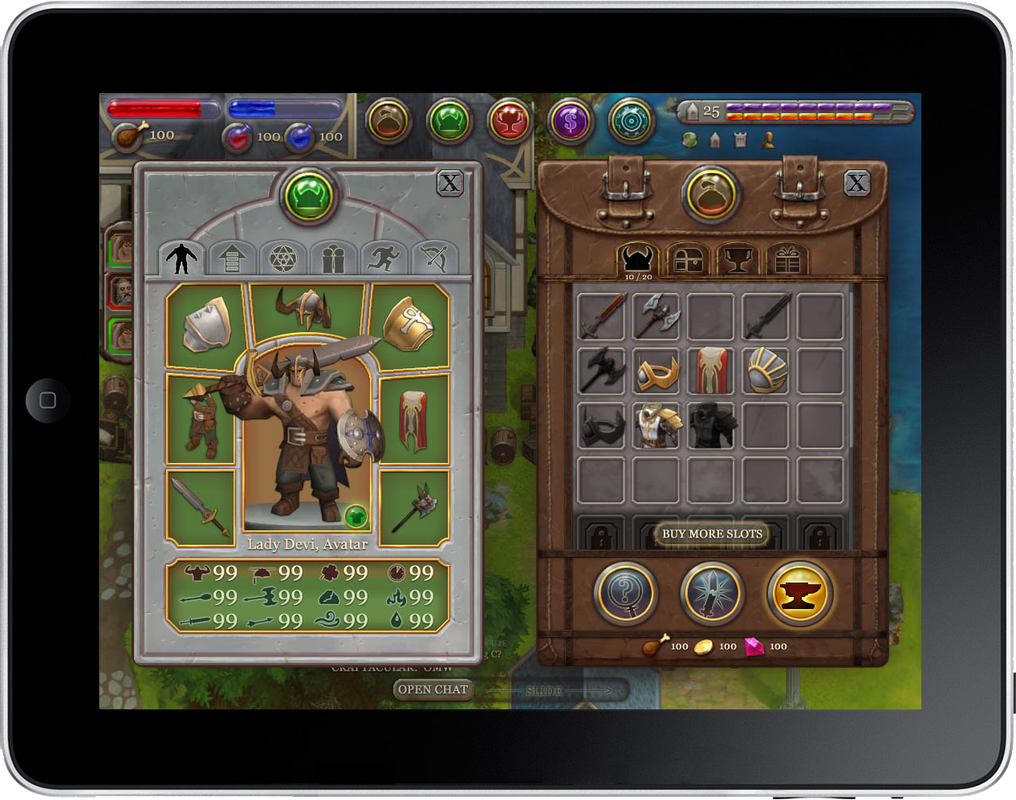
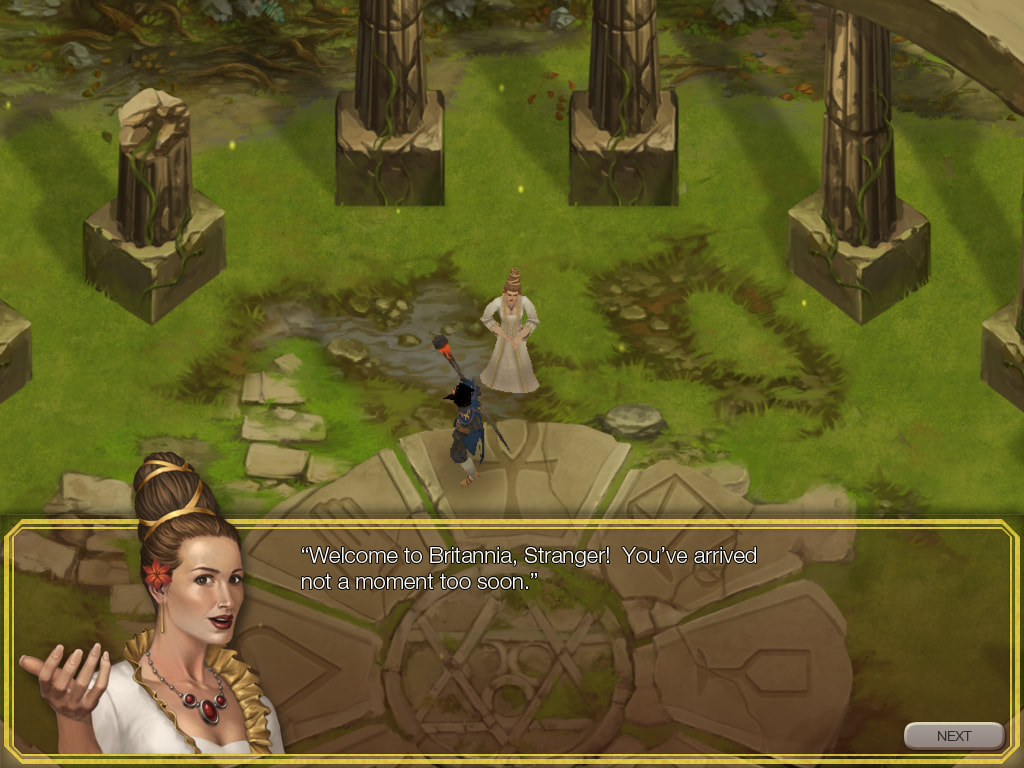
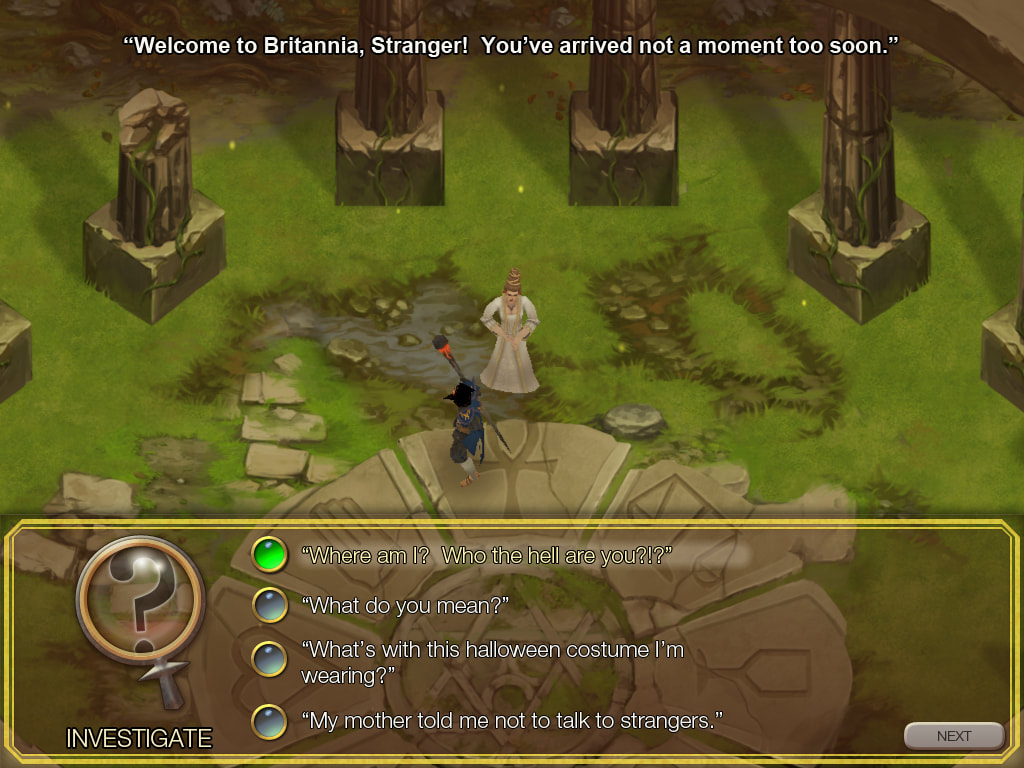
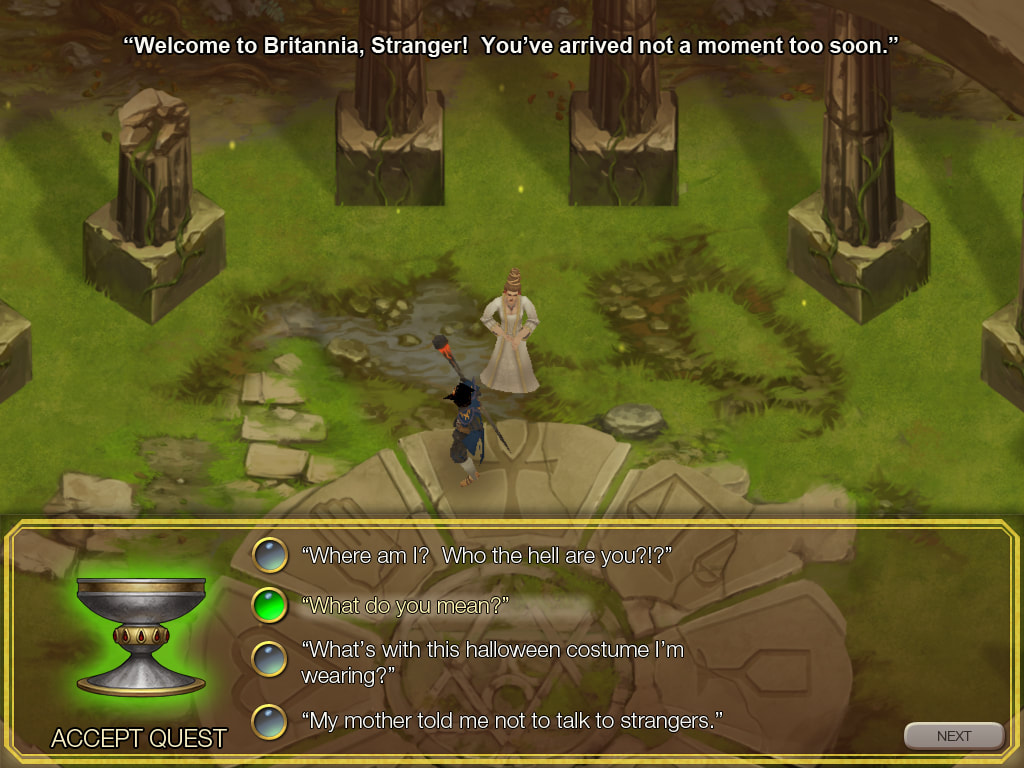
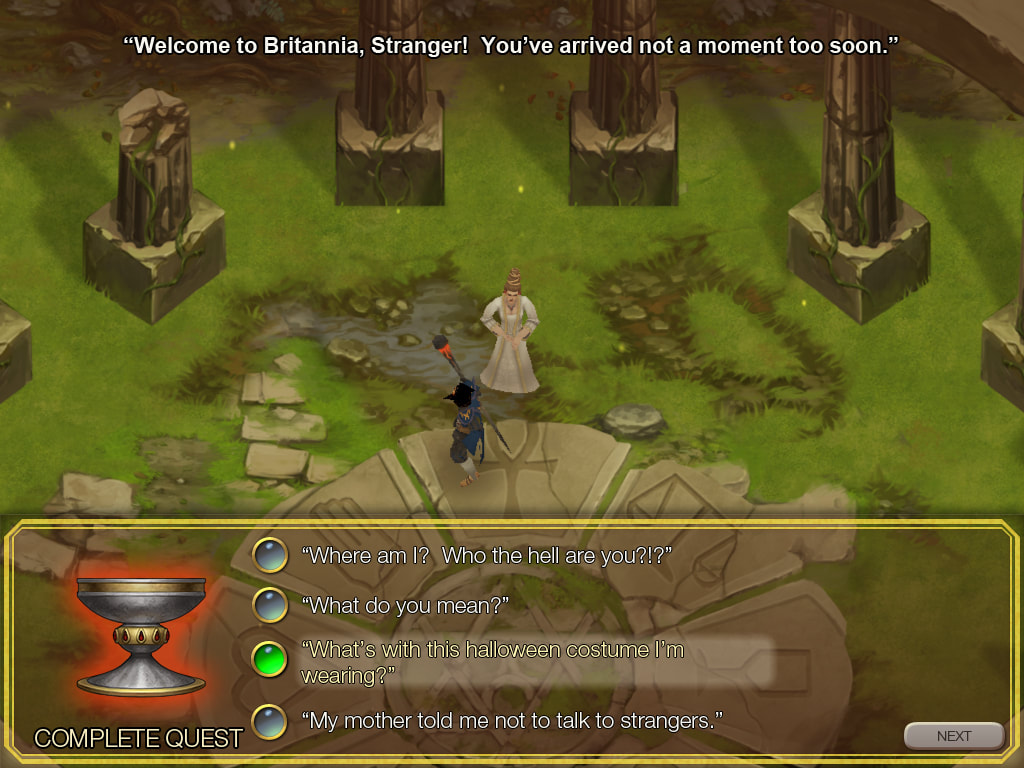
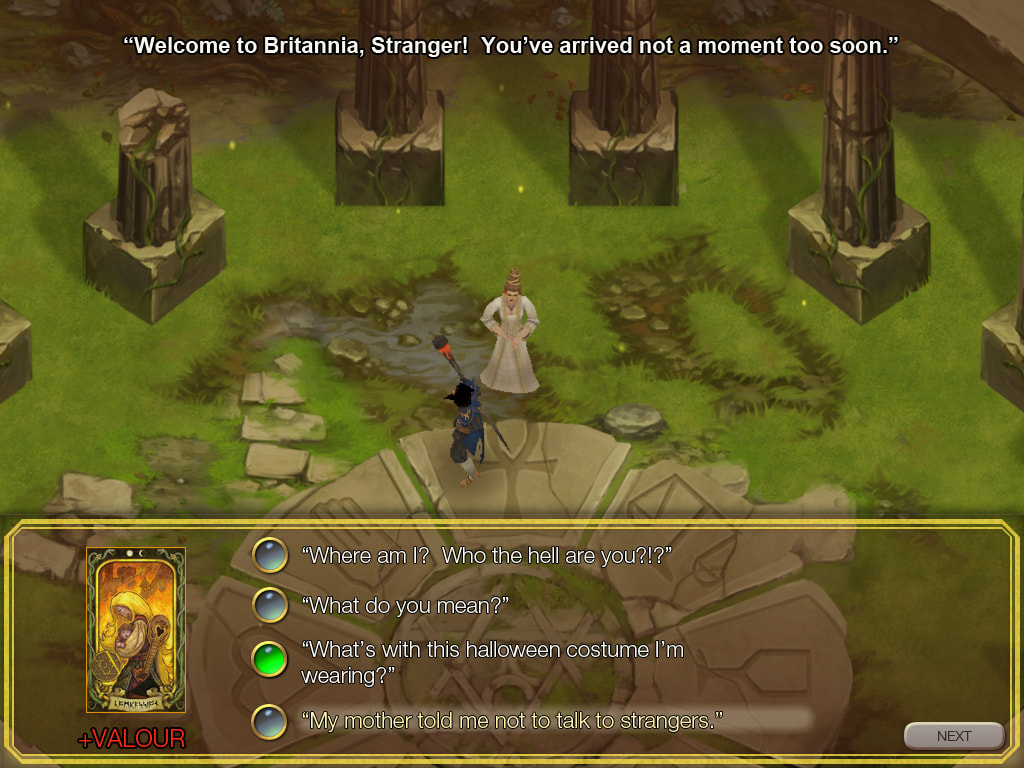
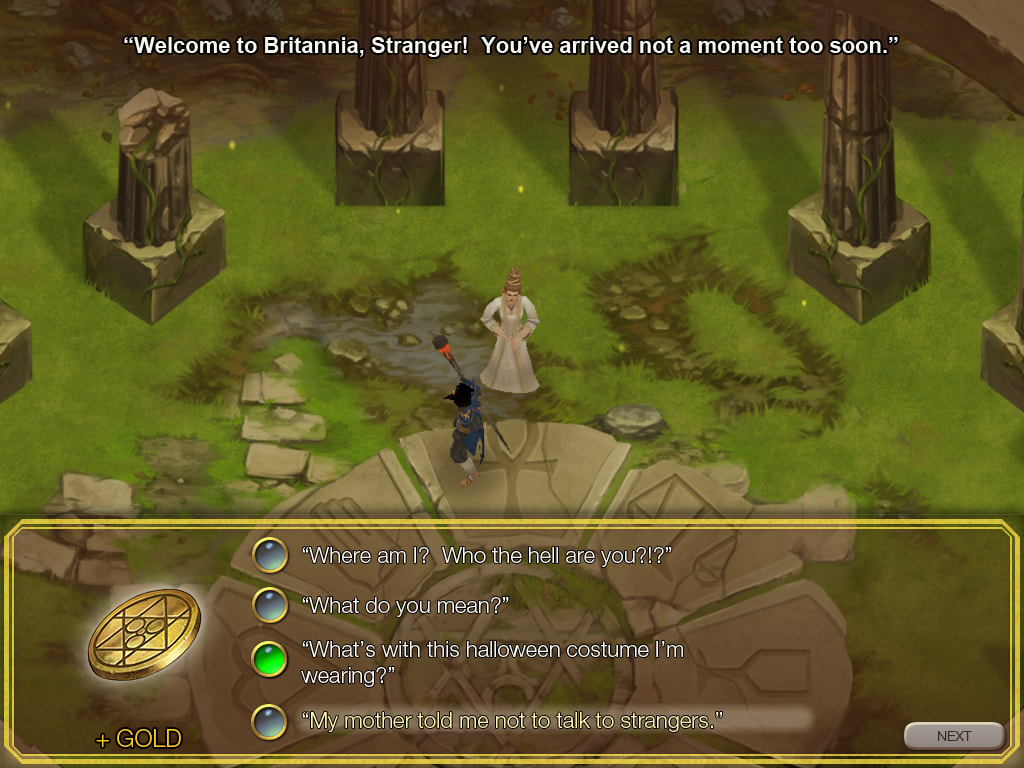
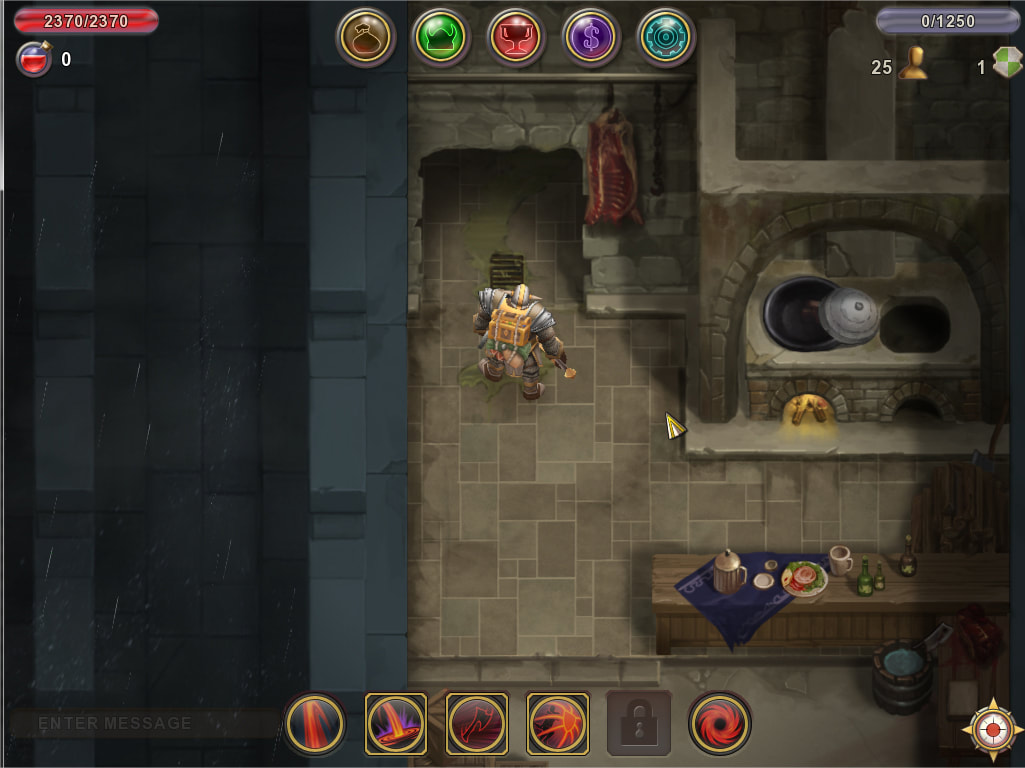
Prior to launch, I had to move off the project to begin preproduction on Dungeon Keeper. During that time, it was decided that the UI had to be modernized so it matched competitor designs in the mobile space. While it's disappointing to me that these screens never saw final use in the game, they live on here as a homage to Ultima and its thematic, fantastical beauty. User Interface Design / Backpack WindowUser Interface Design / Misc WindowsUser Interface Design / Conversation WindowUltima Forever's conversation system meant that any in-game conversation could sculpt an avatar's moral compass and path through the game. Each choice was a new thread in the conversation. To simplify things, key choices were highlighted by symbols and other indicators allowing a degree of transparency to the player if they wanted to rapidly advance through the narrative.
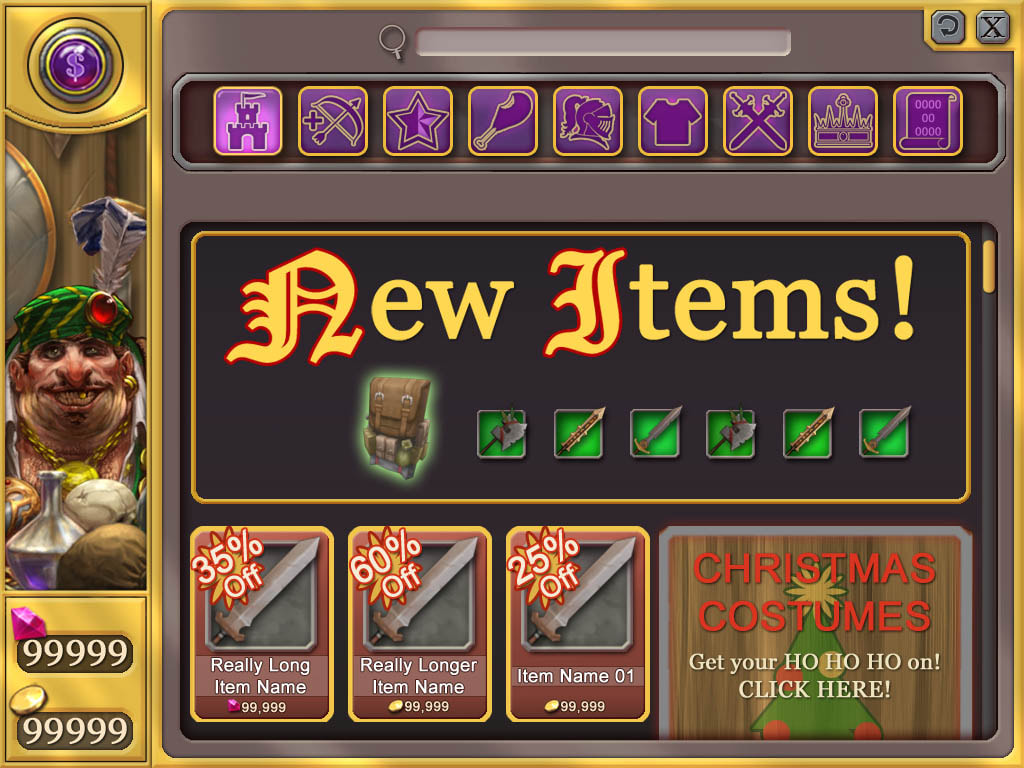
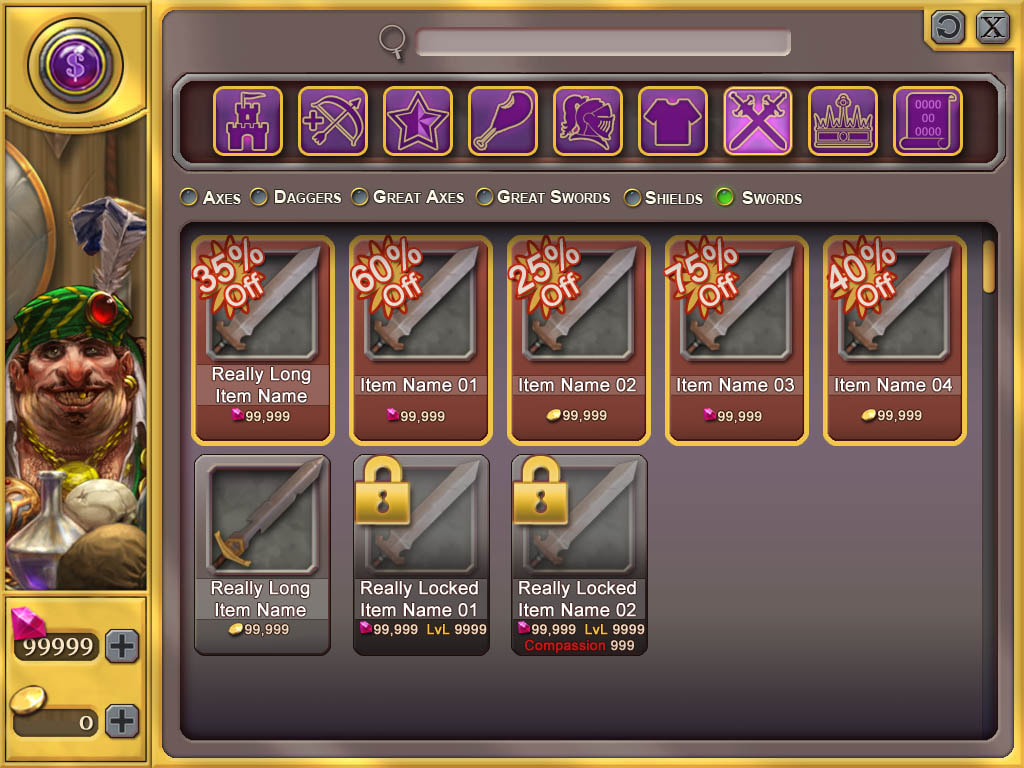
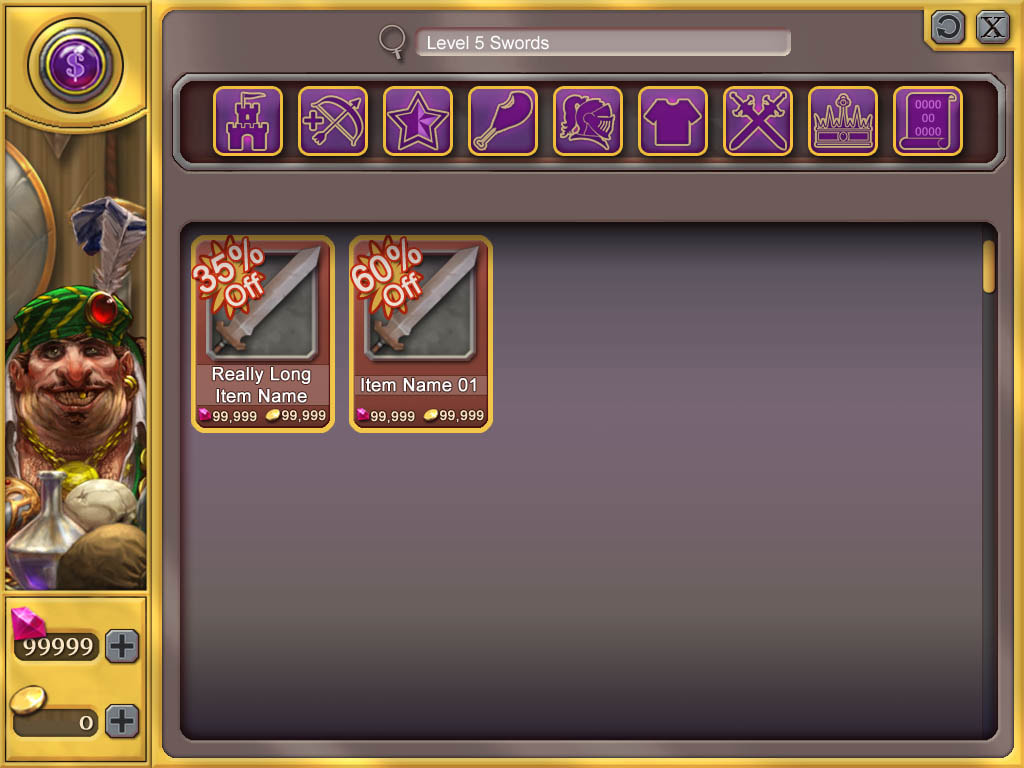
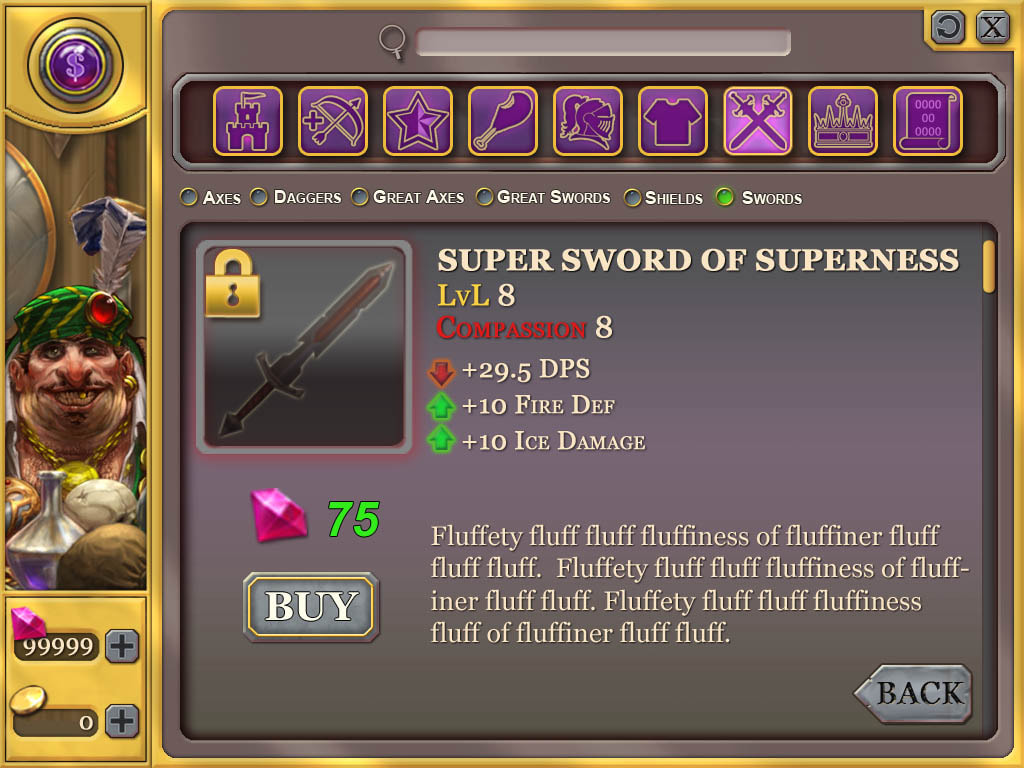
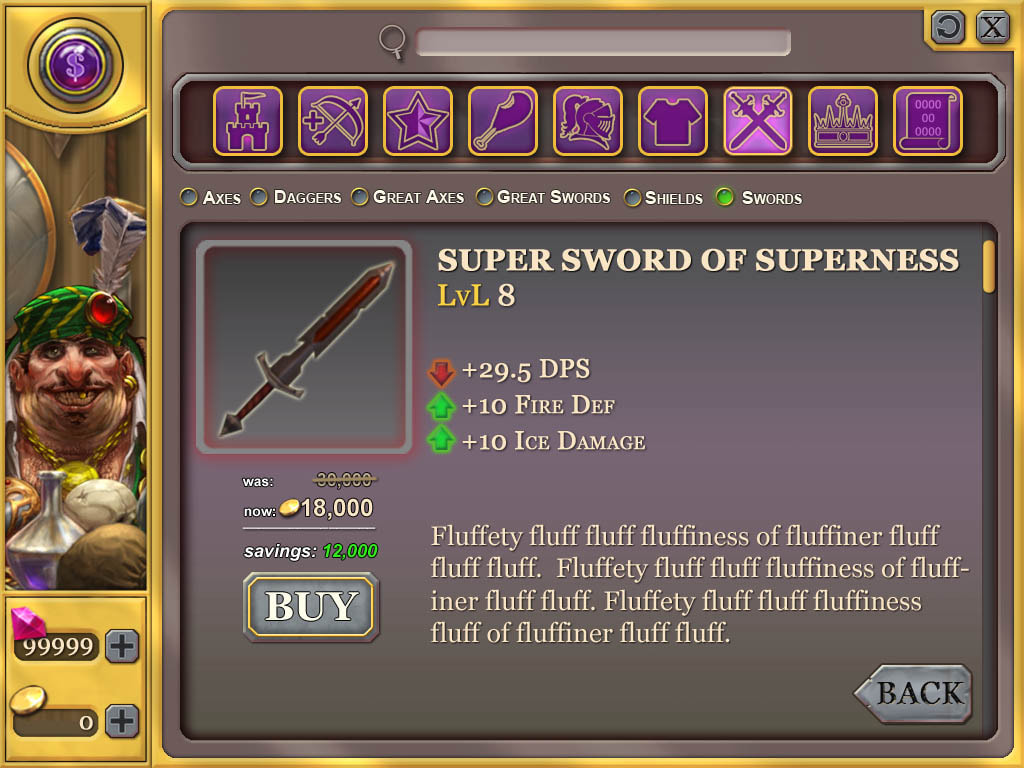
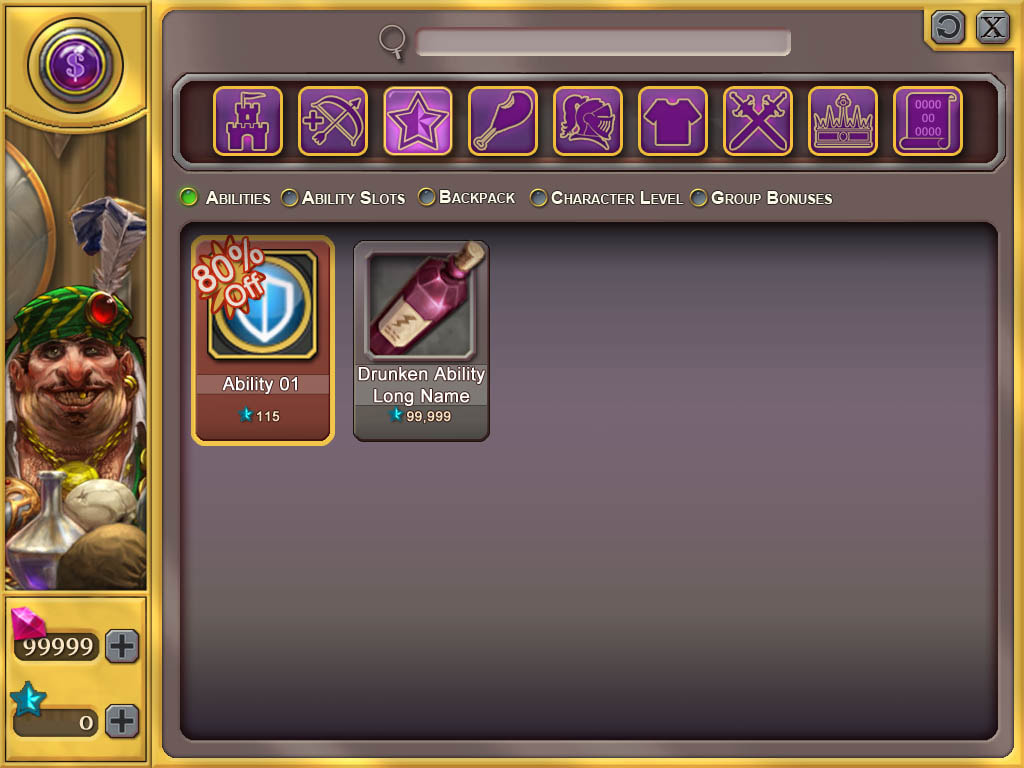
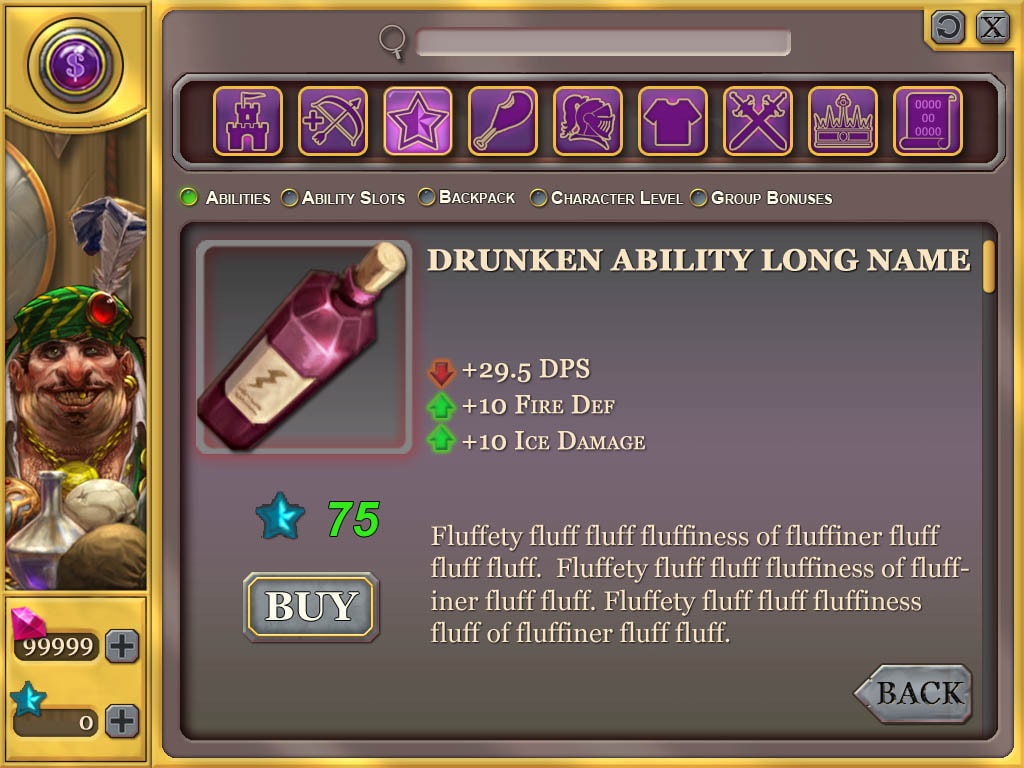
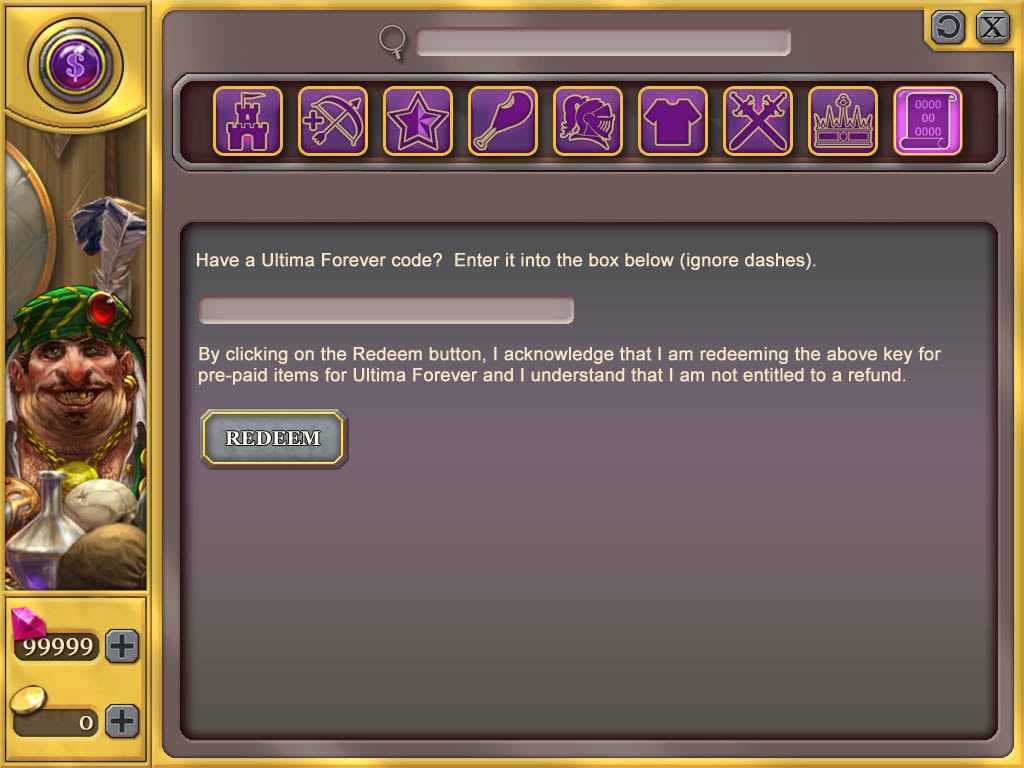
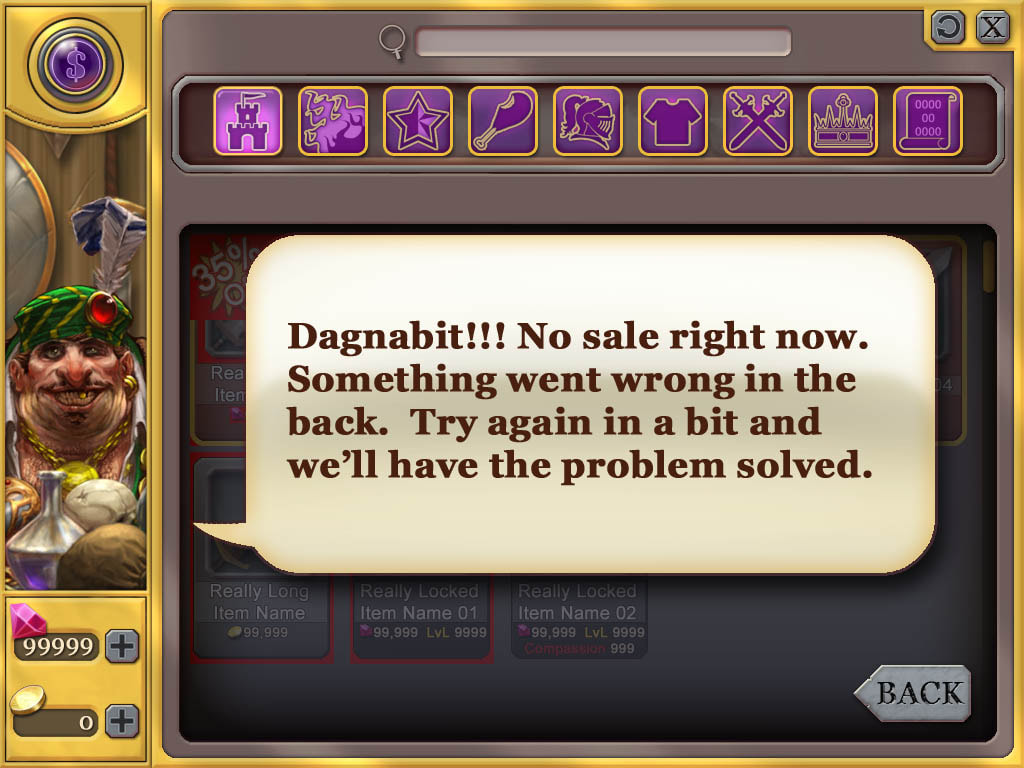
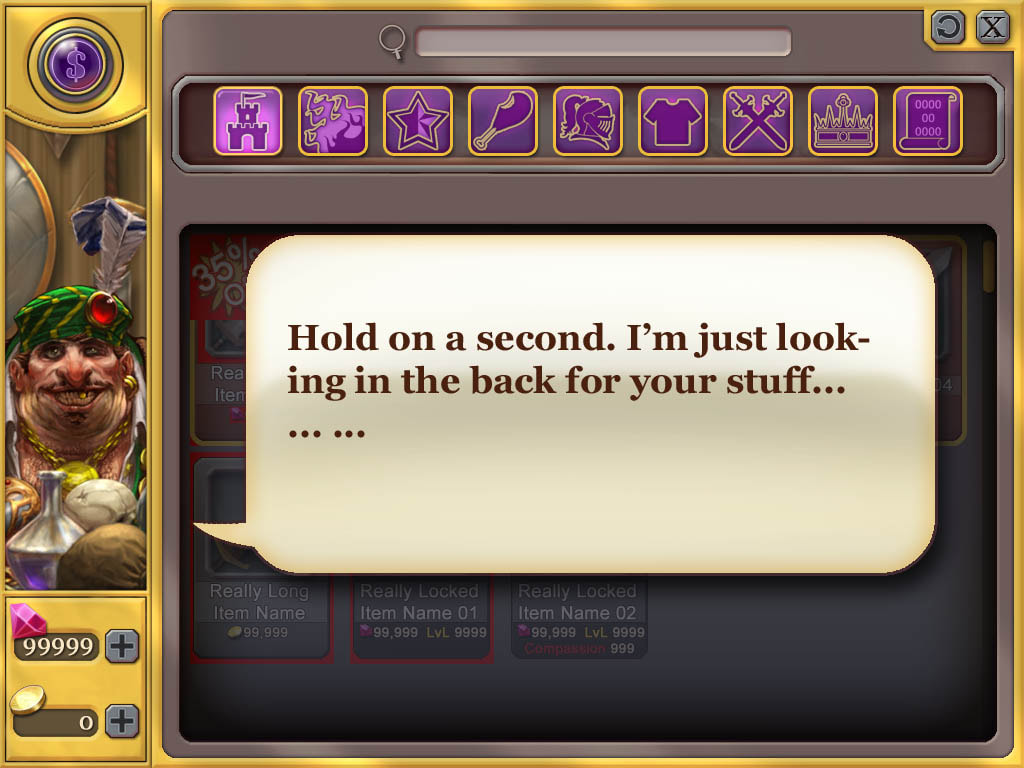
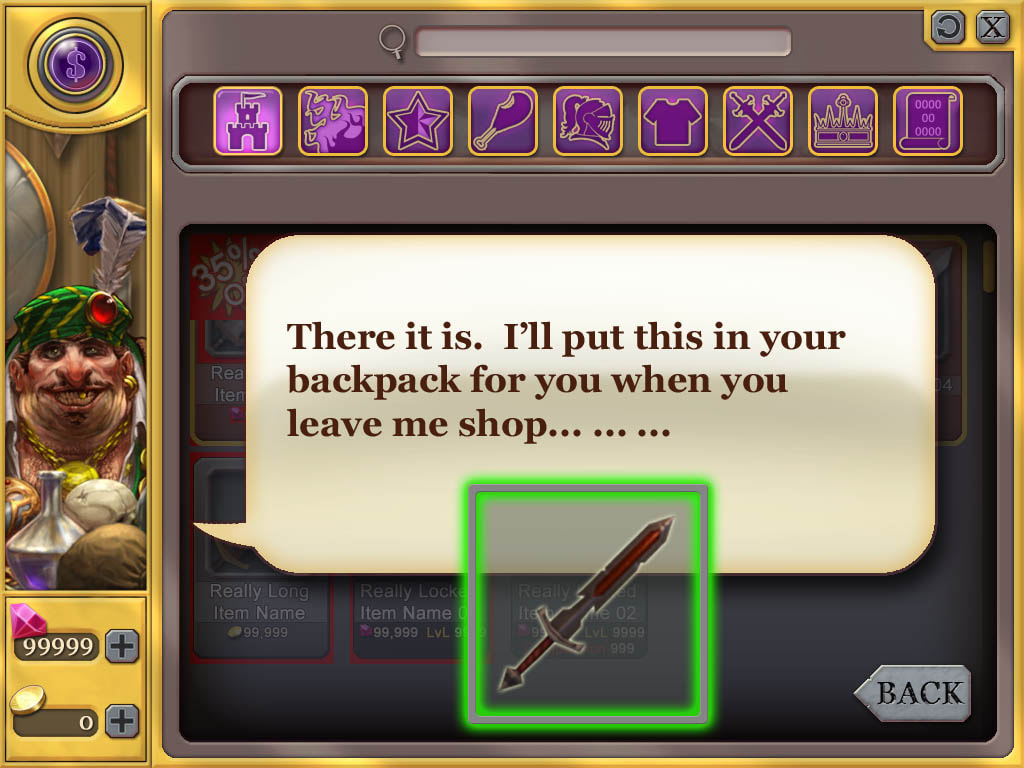
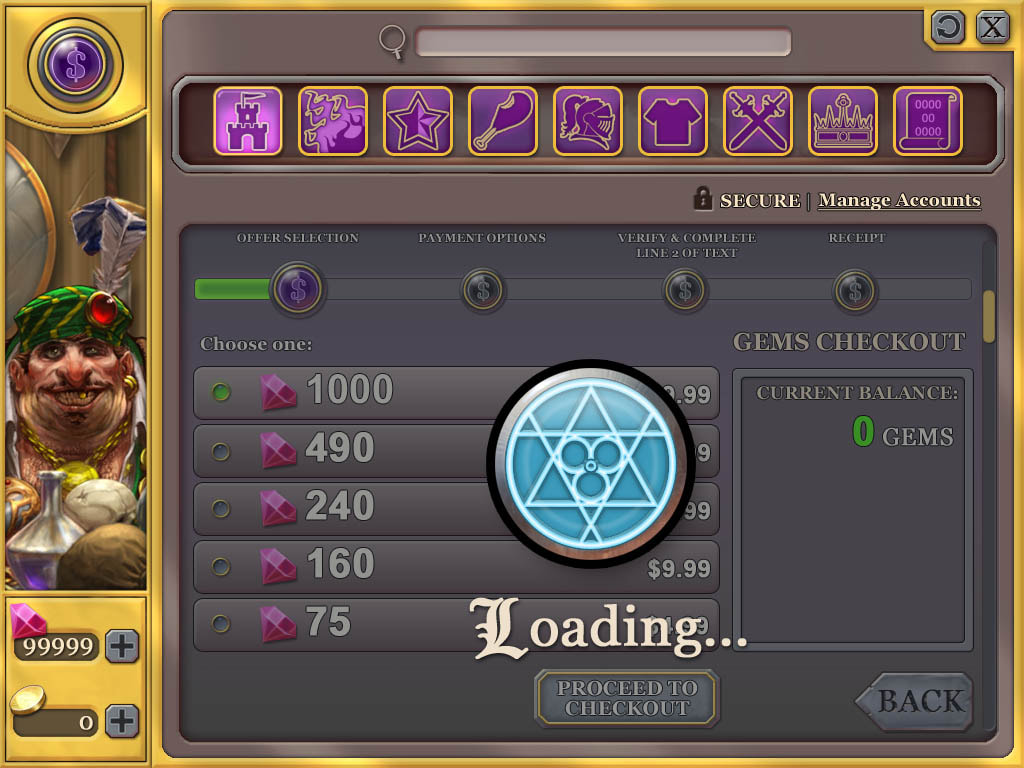
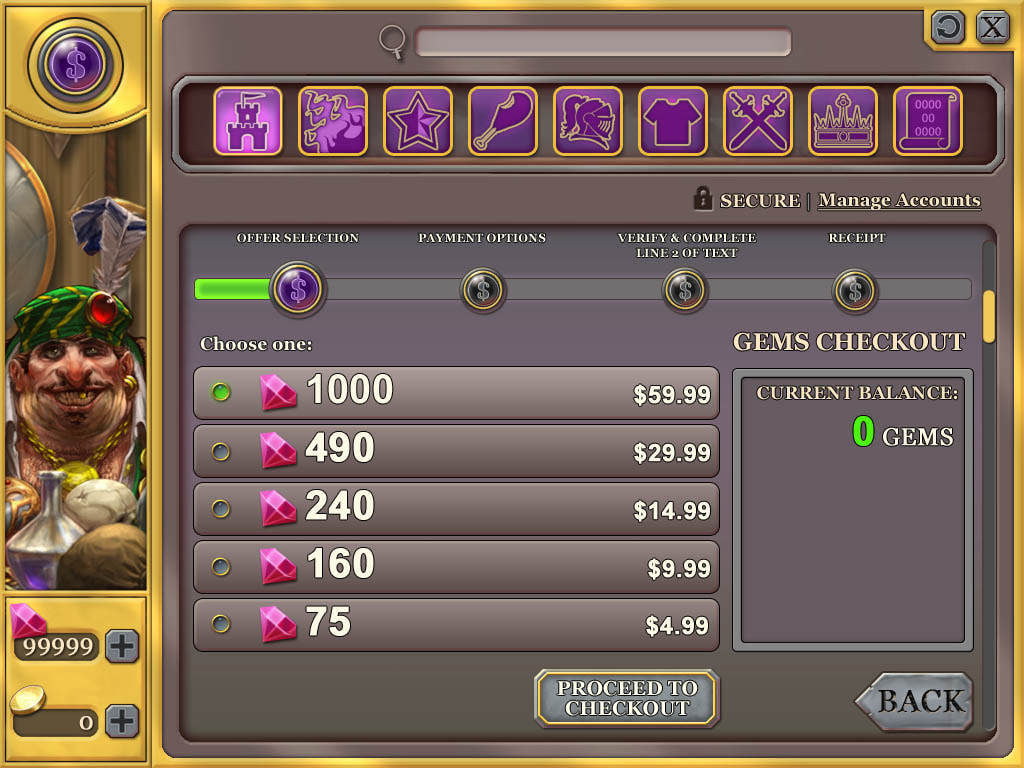
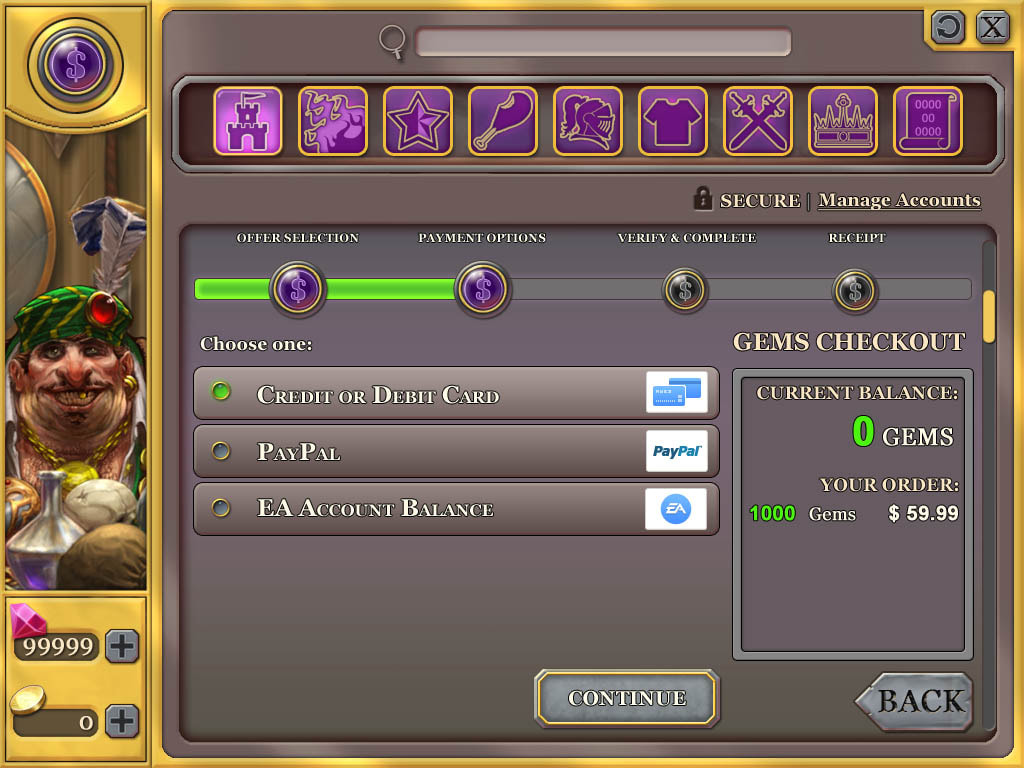
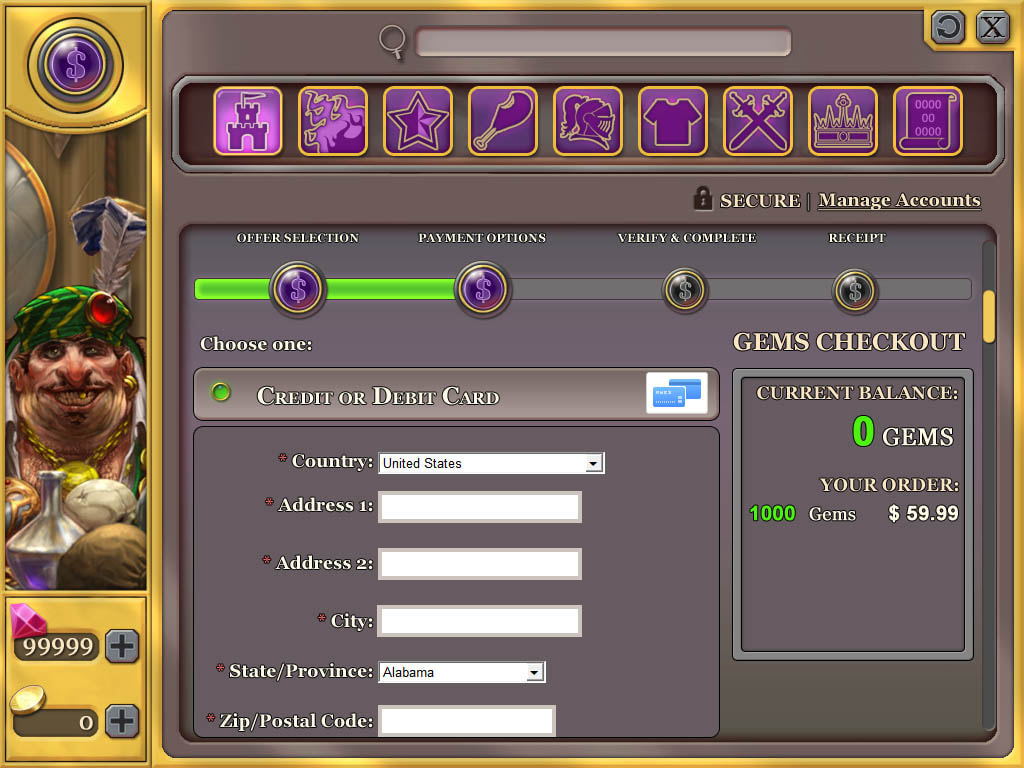
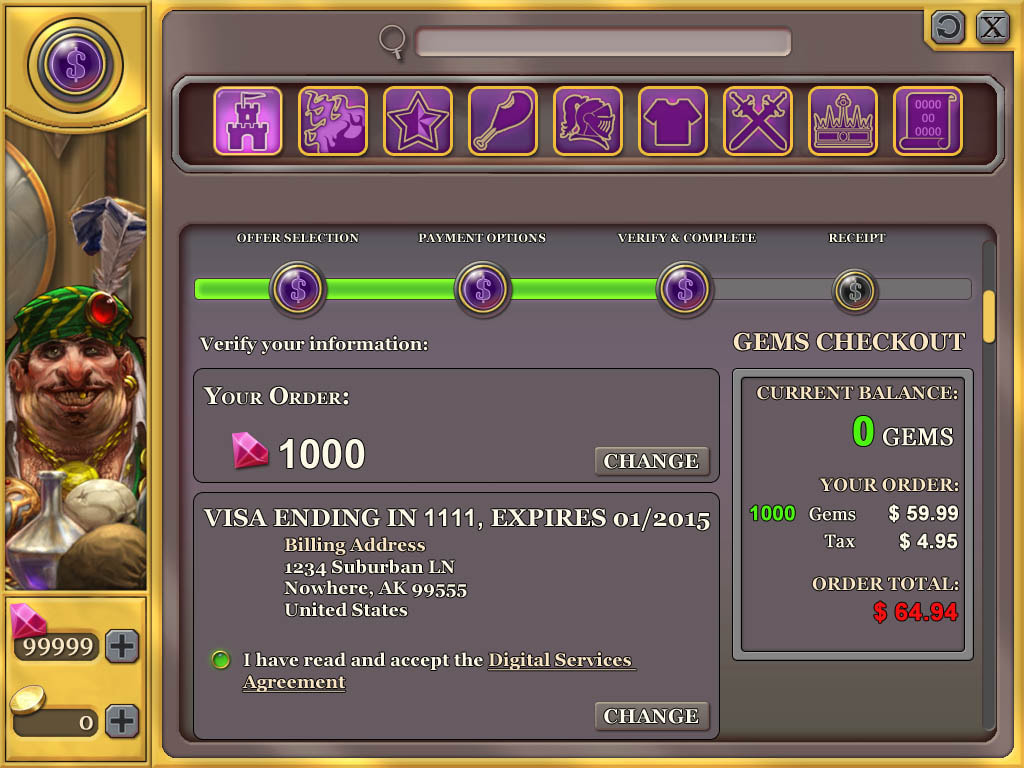
User Interface Design / In-Game StoreFor the in-game store, we wanted to create the feel of a semi-shady street vendor who was hocking his wares. We wanted the experience to be conversational and humorous, but still feeling familiar to any user acquainted with completing online transactions.
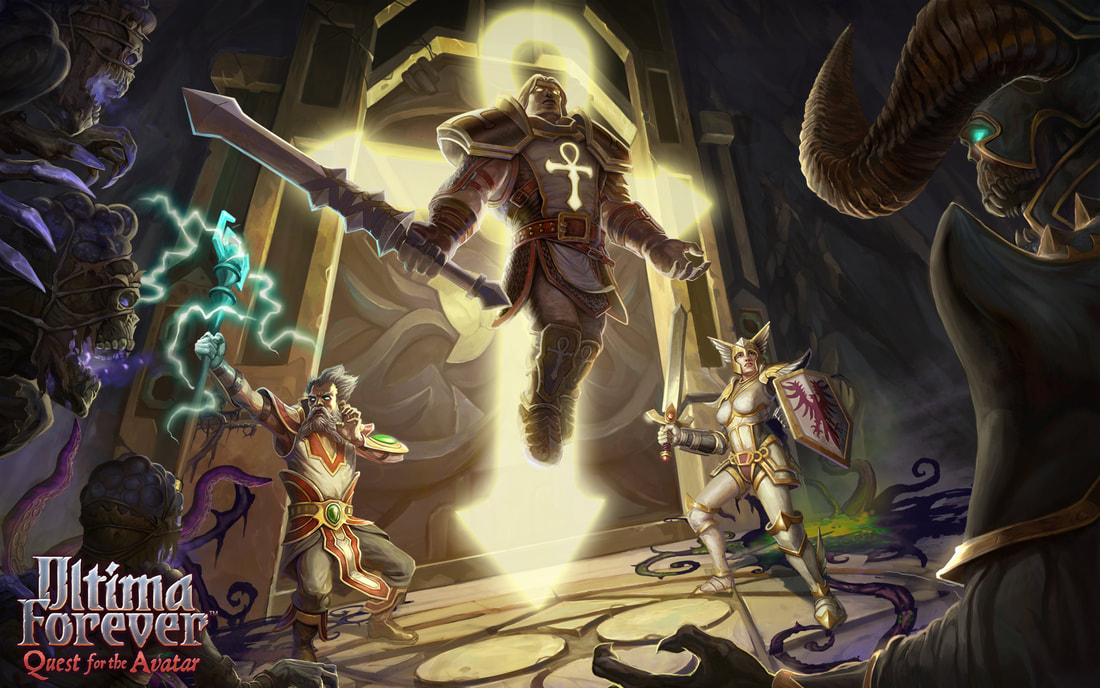
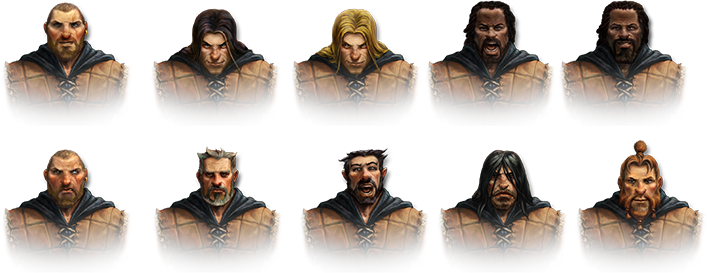
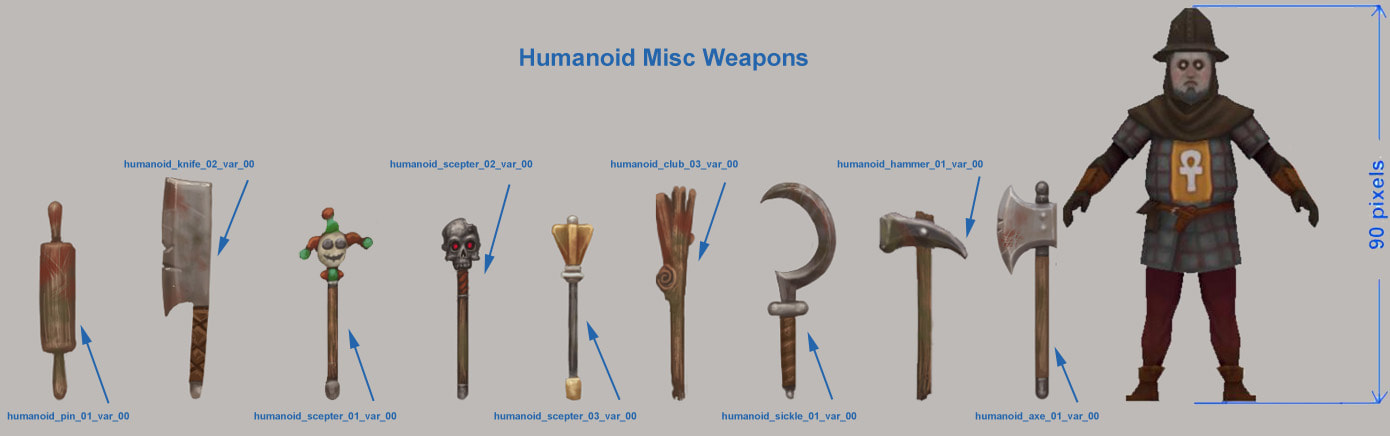
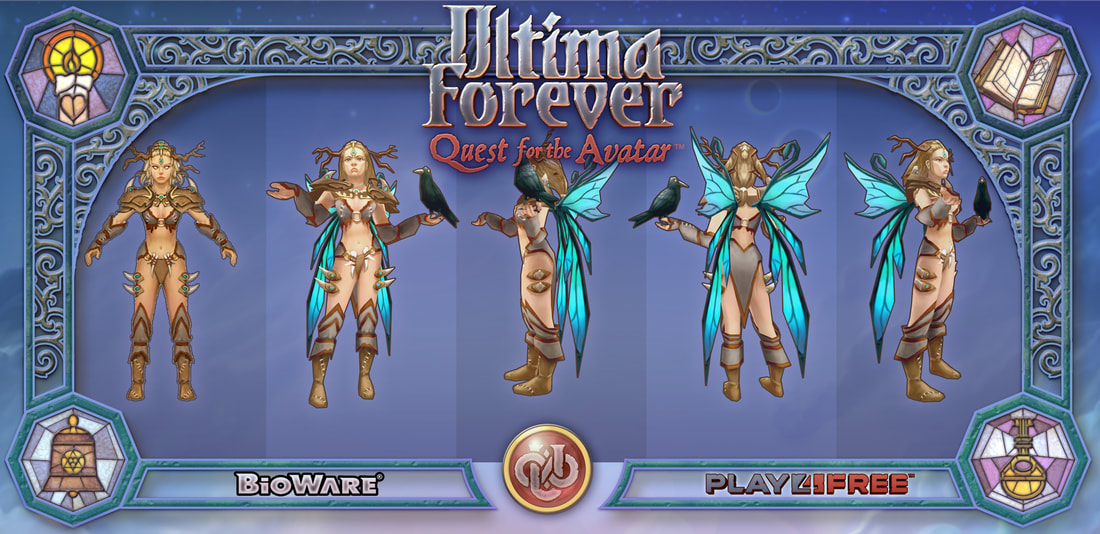
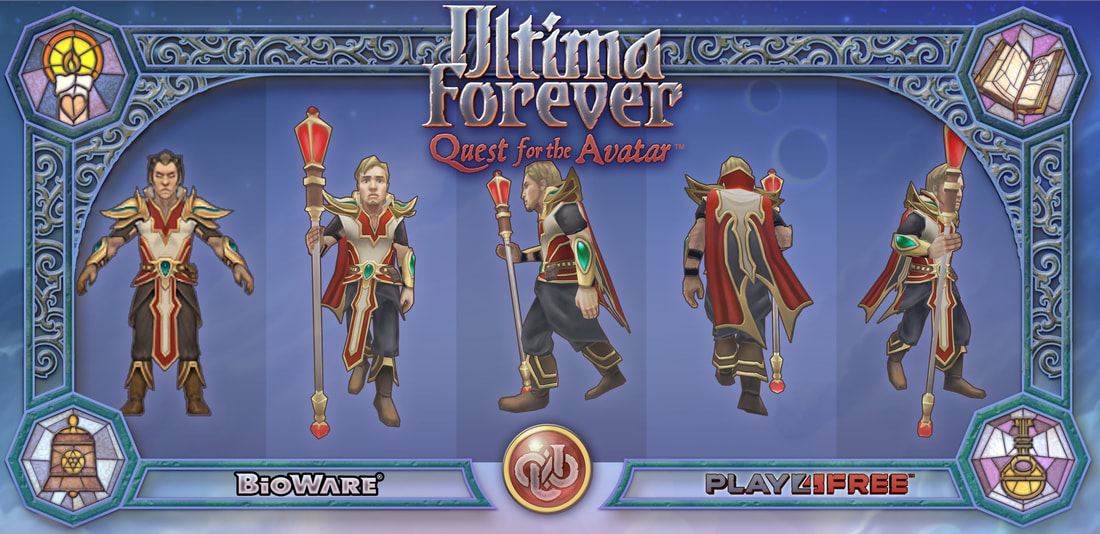
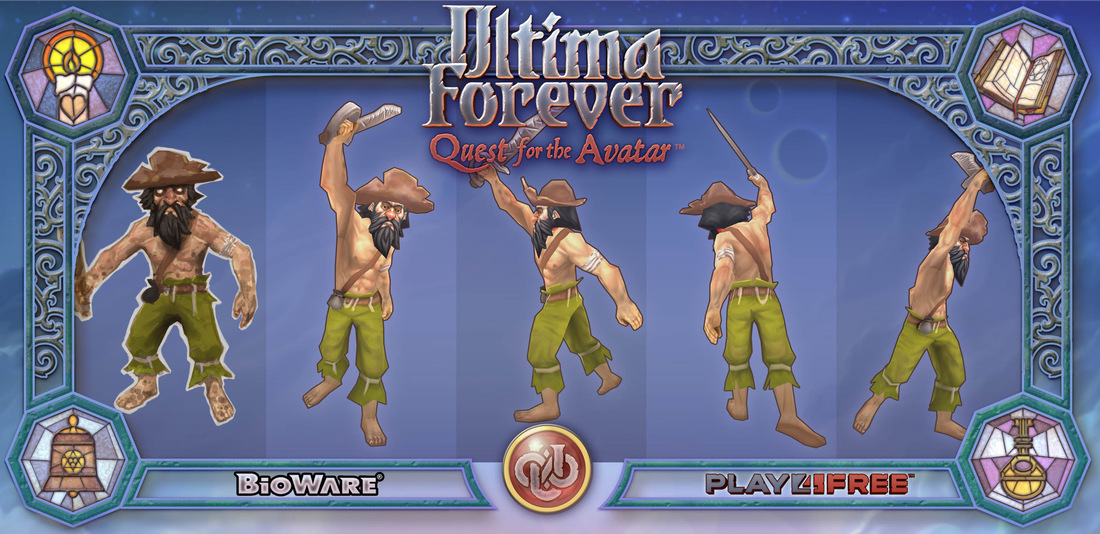
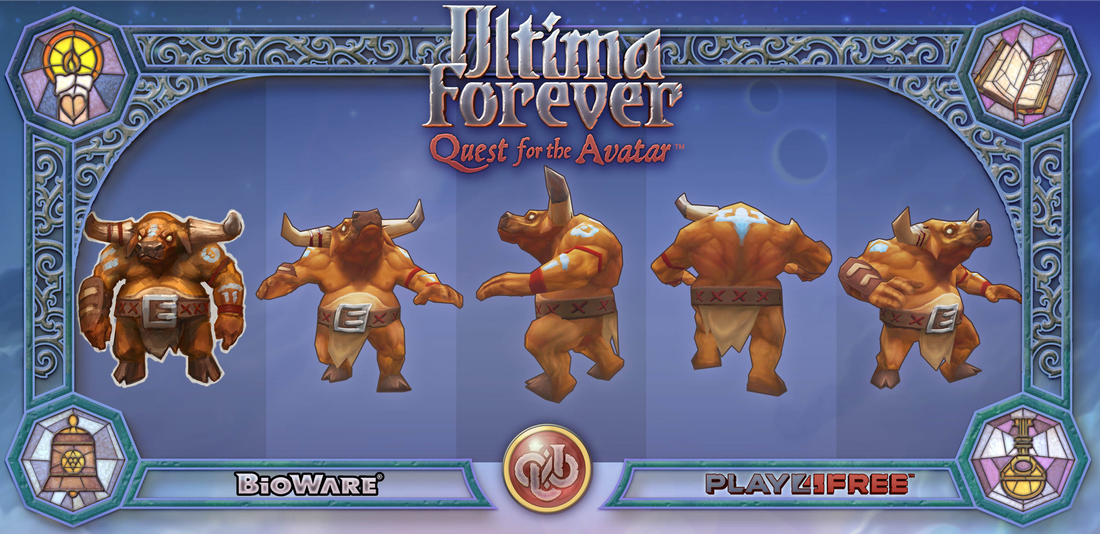
Character DesignUltima Forever utilized a fixed, isometric camera for all gameplay. With this in mind, 3D characters were proportionally exaggerated and stretched in order to read well. They were designed to be customizable with skin tone, faces, and armament being completely swappable.
Environment DesignTeaser Trailer |
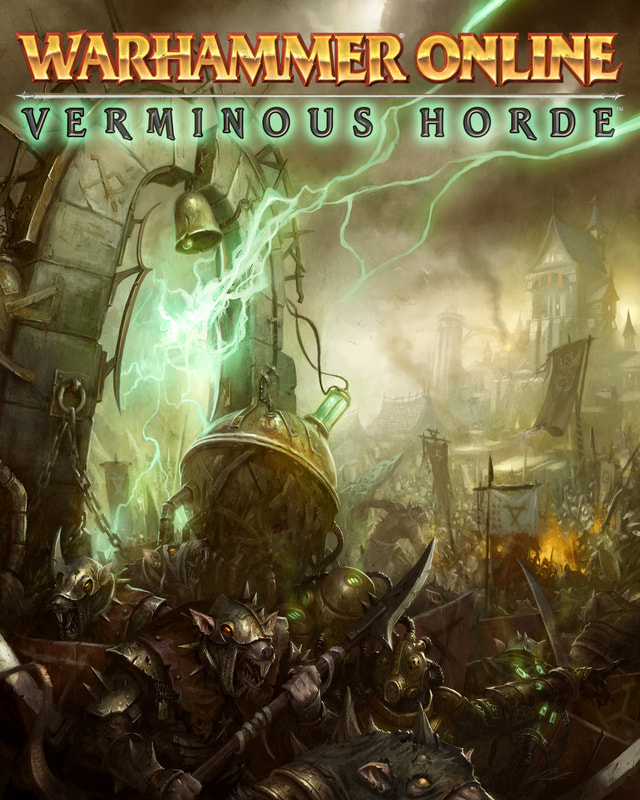
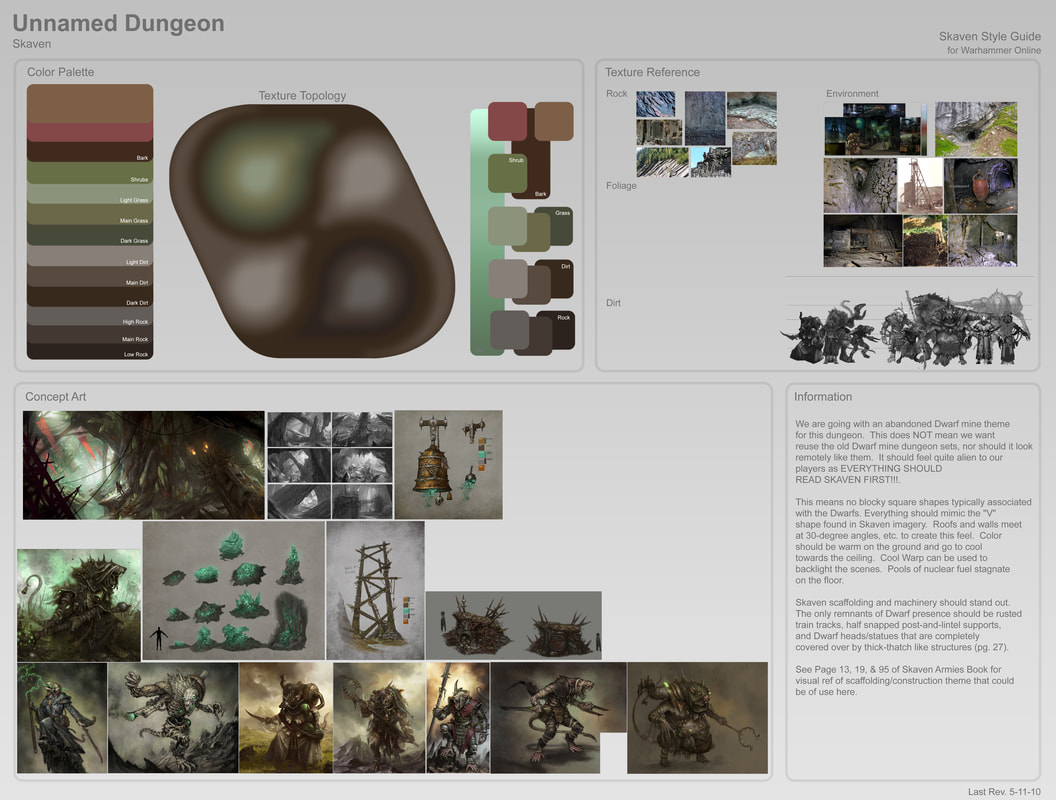
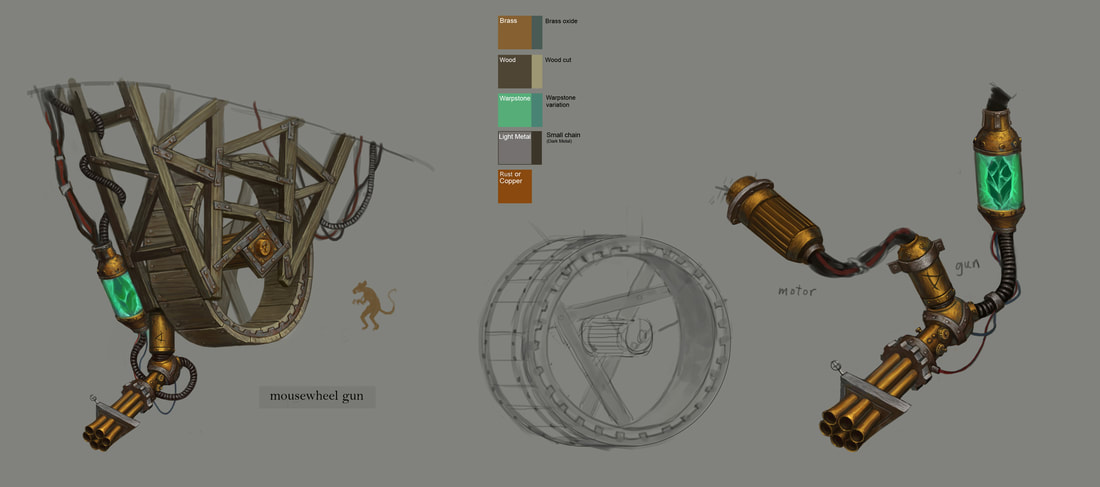
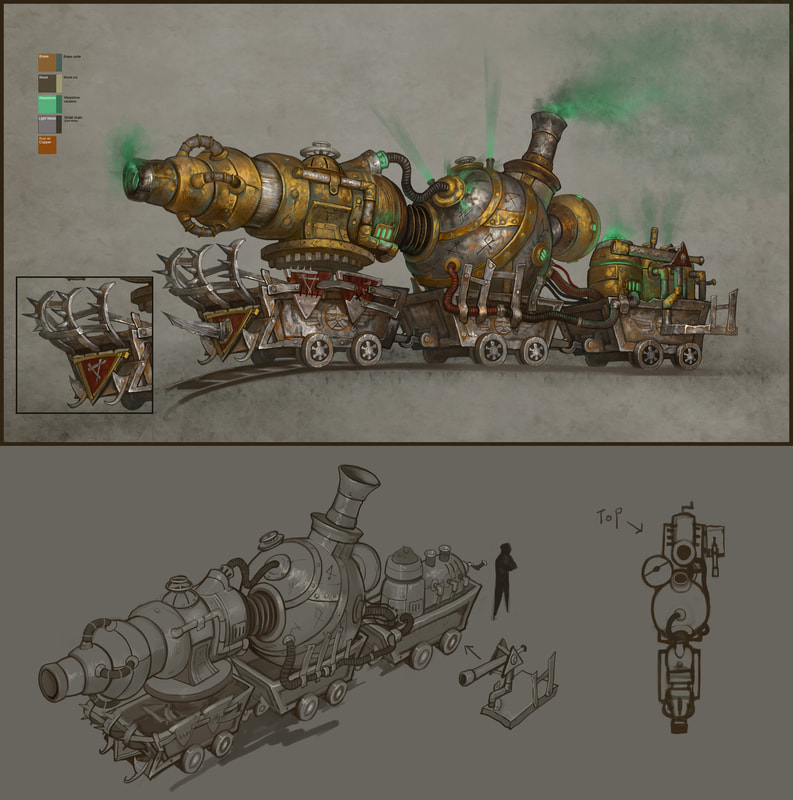
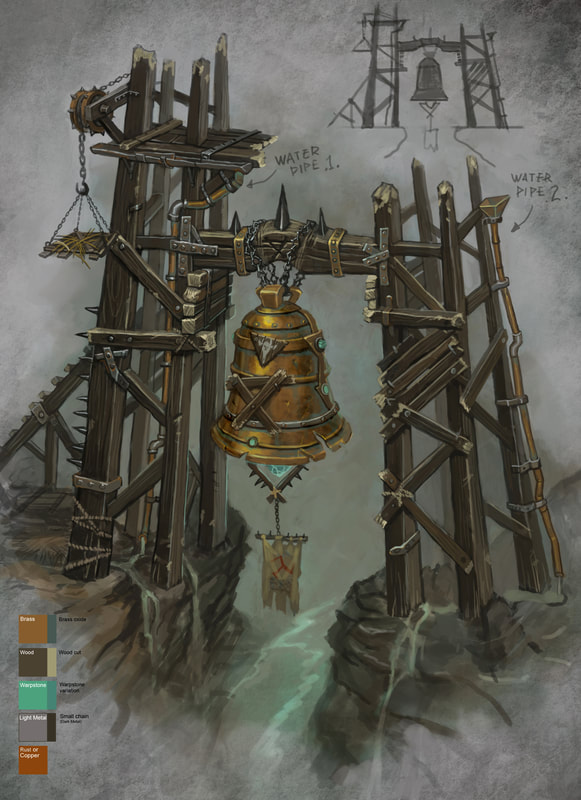
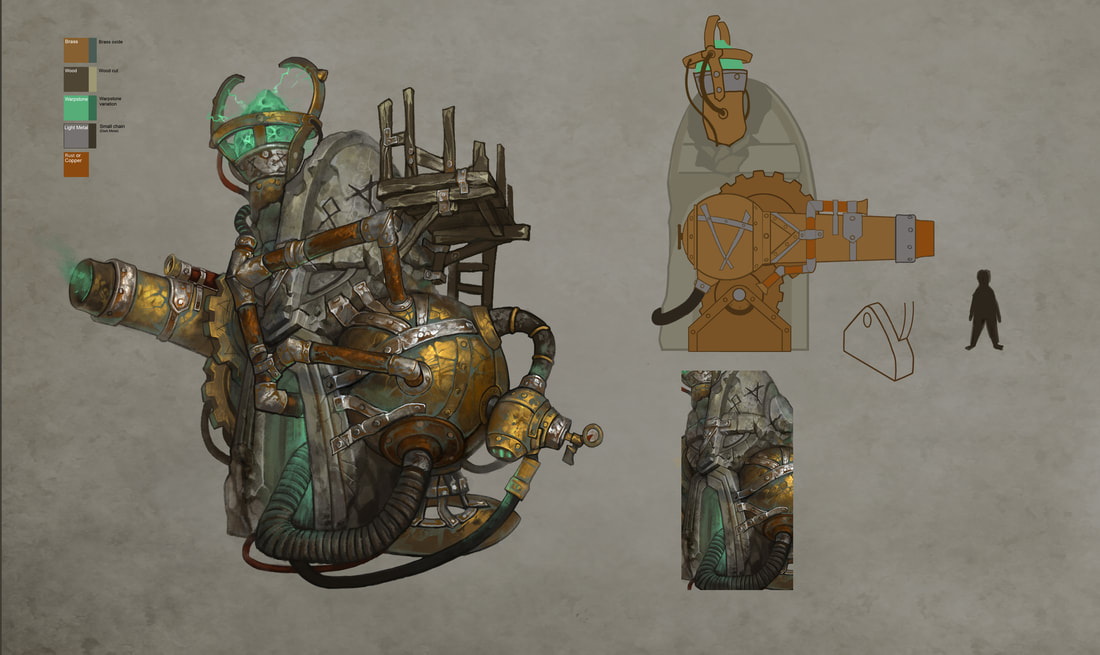
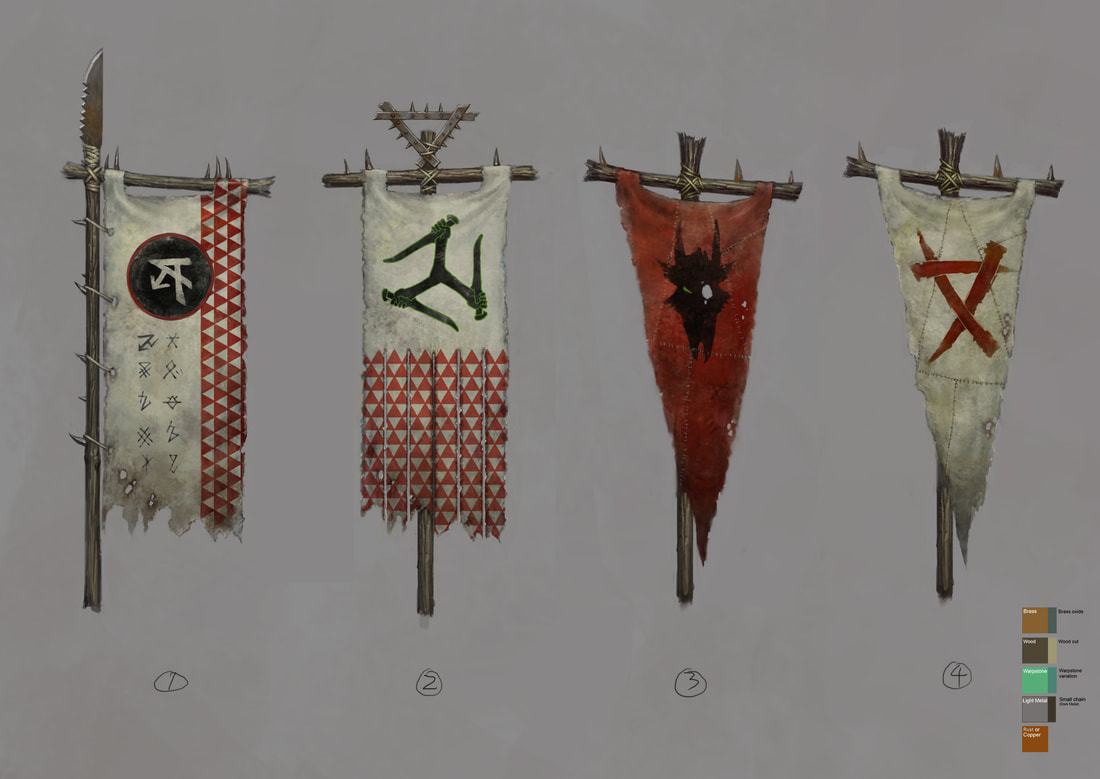
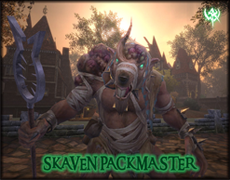
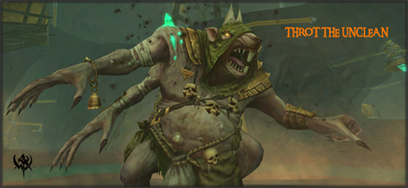
Art DirectionI was the lead art director for Warhammer Online's "Verminous Horde" expansion. The expansion featured the popular rat race known as Skaven. They are scavengers, living beneath the ground and stealing parts to reconstruct their own corrupted machinery from the scraps.
I led the design of every visual aspect for the expansion: From key art to execution of environments and characters. The bulk of production was done using an external team for environment and concept work. In addition to execution, I was responsible for all Warhammer asset review and approval processes with the IP owner, Games Workshop.
Character DesignTeaser Trailers |
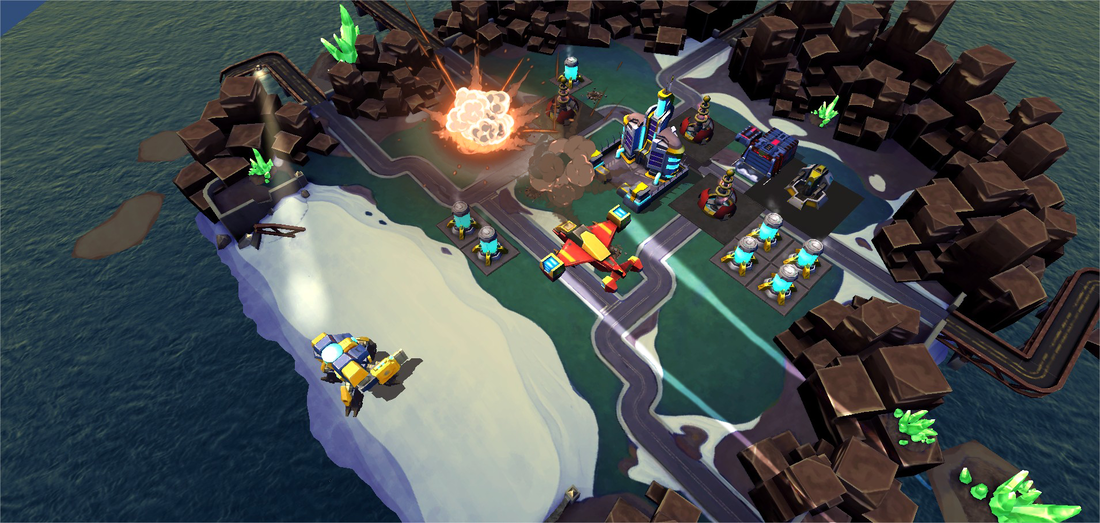
Shipped Game Titles
Unreleased TitlesImperator (PC)
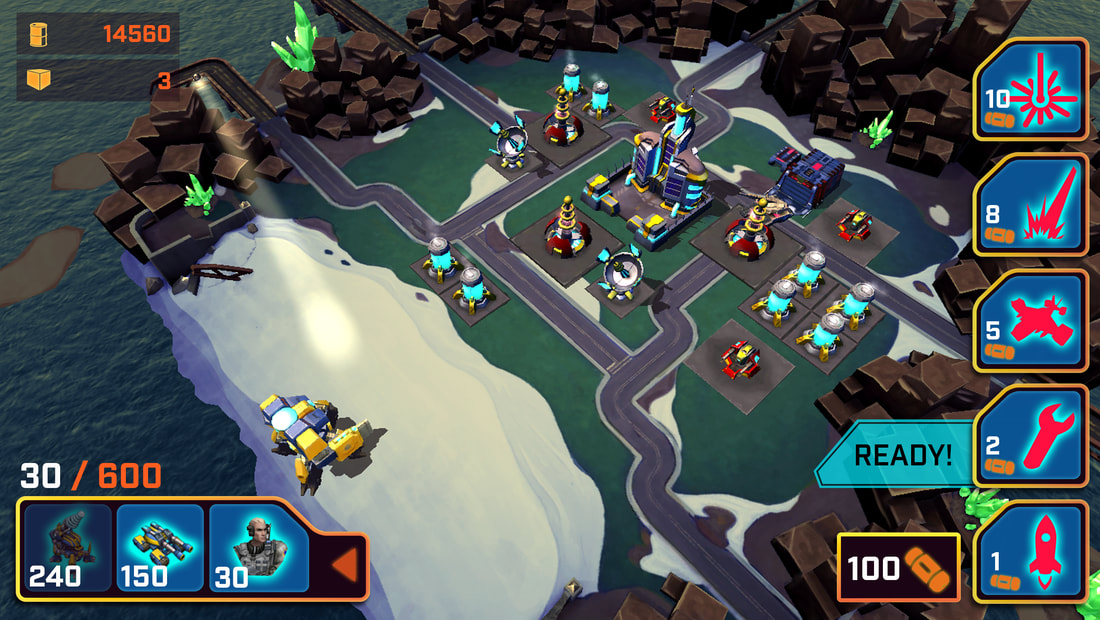
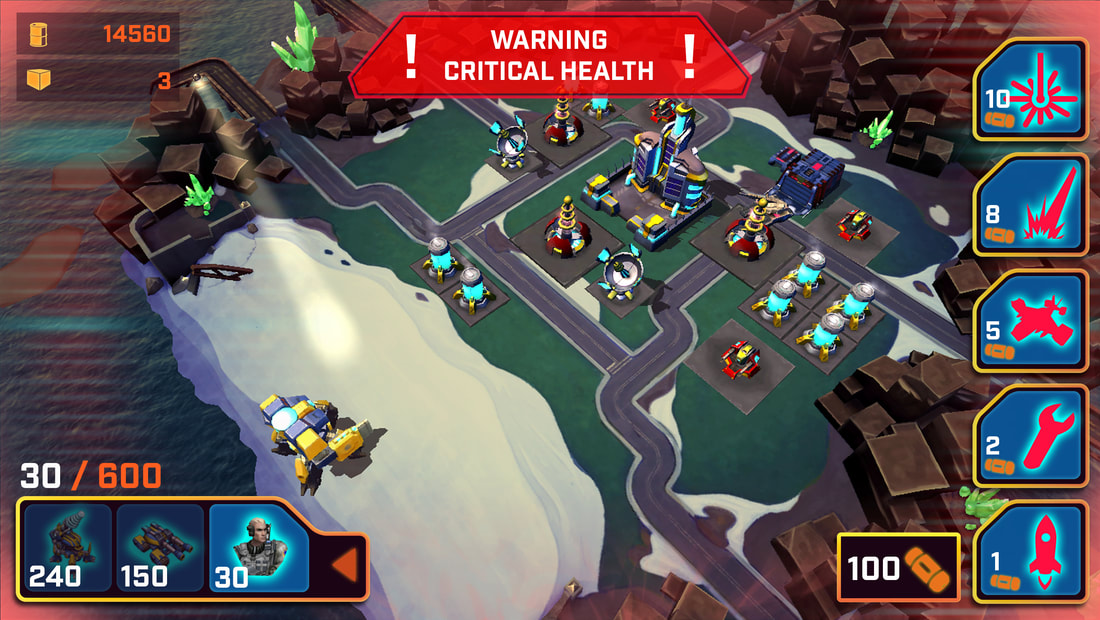
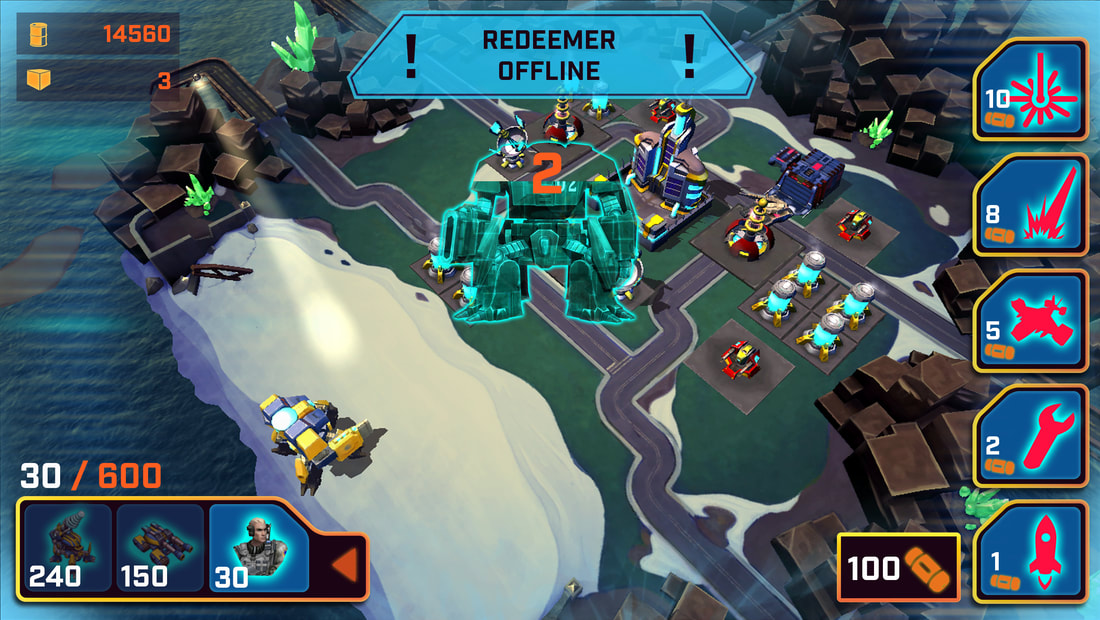
Command & Conquer (Mobile) Game Branding & Marketing |